

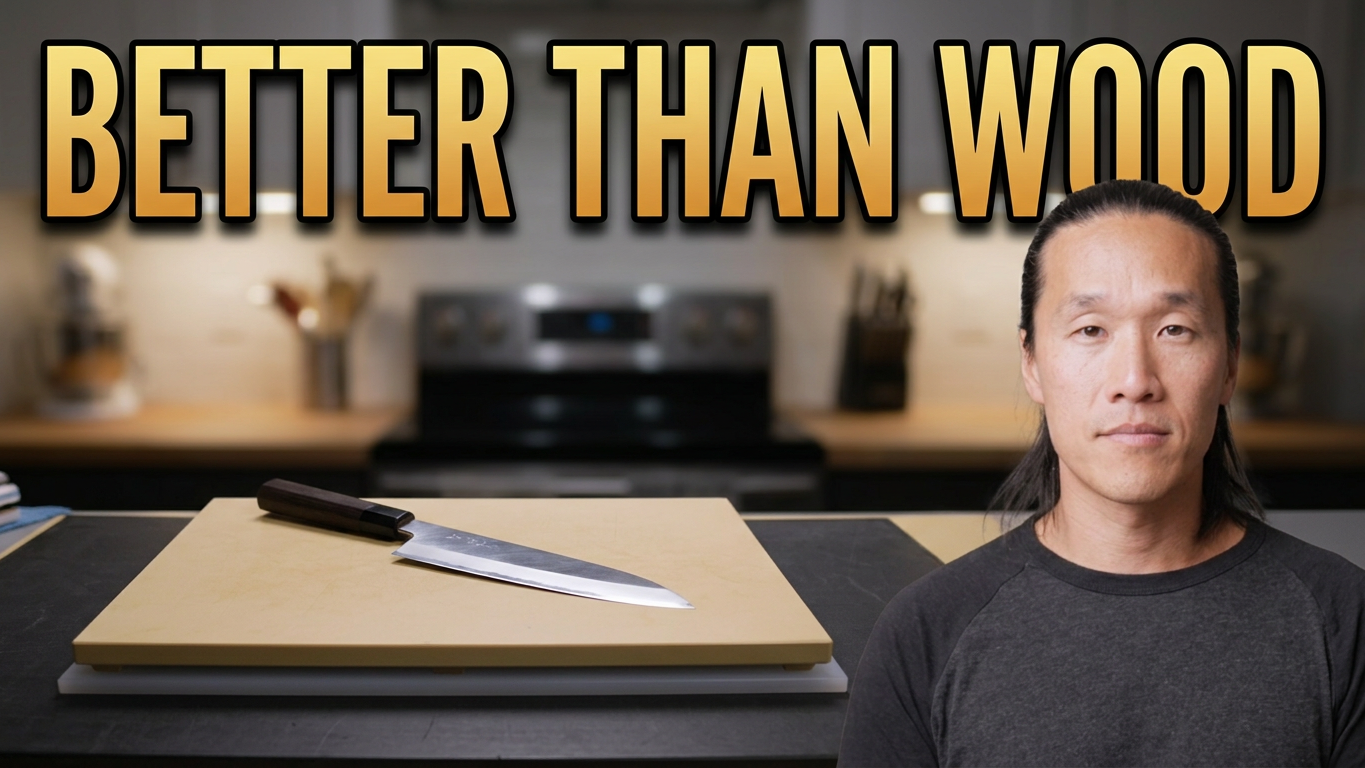
The Science of Board Cushion: A 2-Year Test of Hasegawa, Hi-Soft, and Japanese Synthetic Cutting Surfaces
End-grain wood looks classic, but synthetic Japanese cutting surfaces fundamentally change the rules of edge retention. After two years of continuous daily testing across home and studio kitchens, we evaluate Hasegawa's wood-core architecture, Hi-Soft PVA, and Asahi rubber to find the ultimate cutting surface for high-hardness steel.
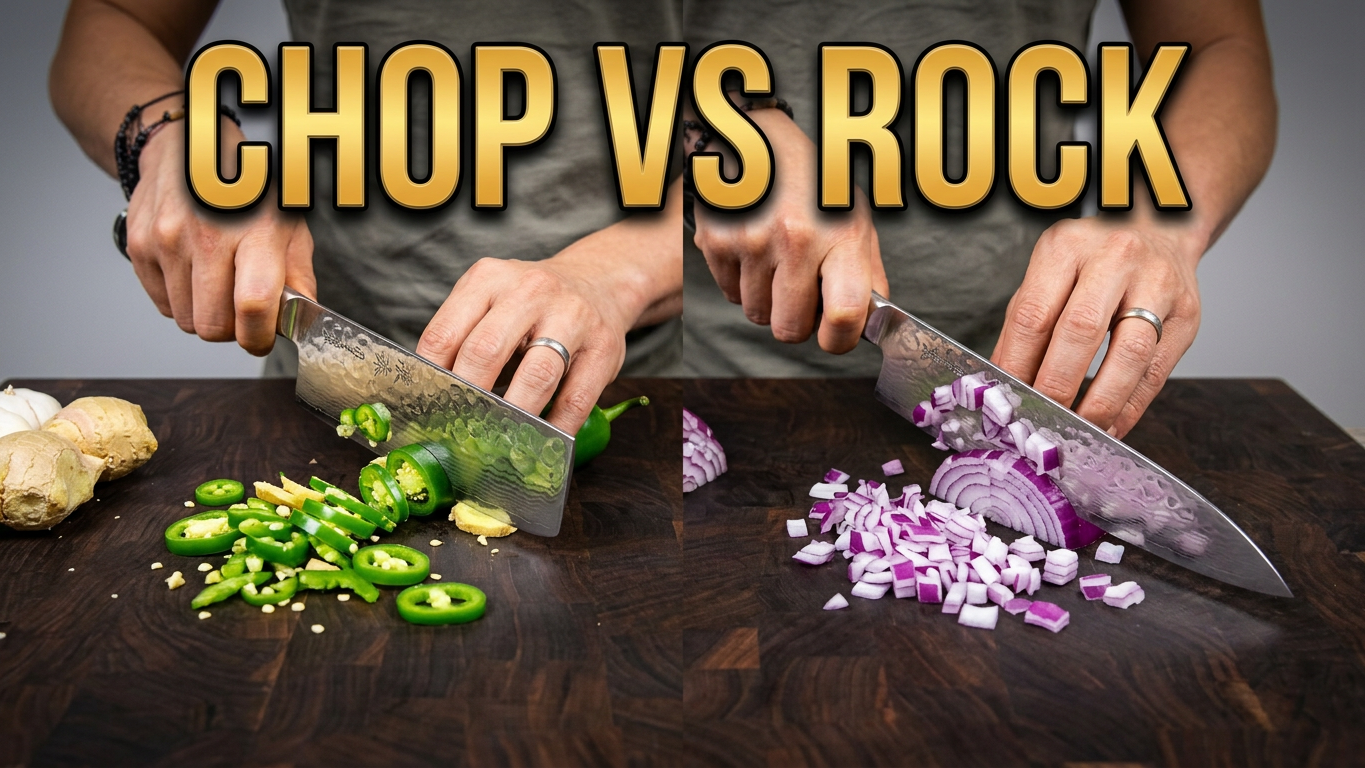
Gyuto vs. Nakiri: Cutting Mechanics, Force Distribution, and Board Geometry
Stripping away a knife's pointed tip fundamentally transforms how mechanical energy hits the cutting board. Pitting a Gyuto against a Nakiri through mountains of dense garlic, ginger, and turmeric, we break down force distribution, board clearance, and why flat profiles eliminate accordion cuts entirely.
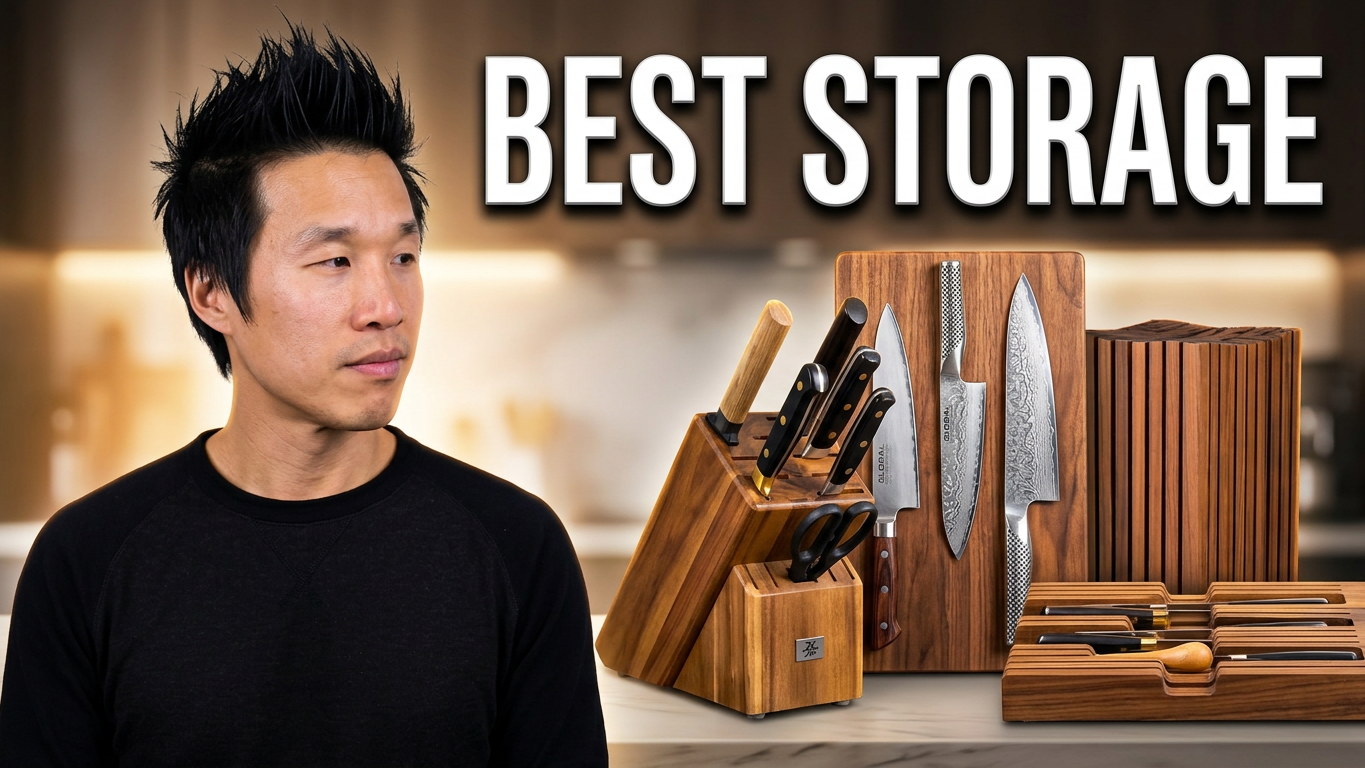
Beyond the Countertop: 5 Kitchen Knife Storage Systems Ranked for Edge Protection, Capacity, and Child Safety
The greatest hazard to a razor-sharp edge often isn't the cutting board—it’s how you store your knives between prep sessions. From unshielded drawer collisions and dated wooden blocks to modular cork inserts and black walnut magnetic bars, we analyze five distinct storage solutions across edge protection, capacity flexibility, and family childproofing.
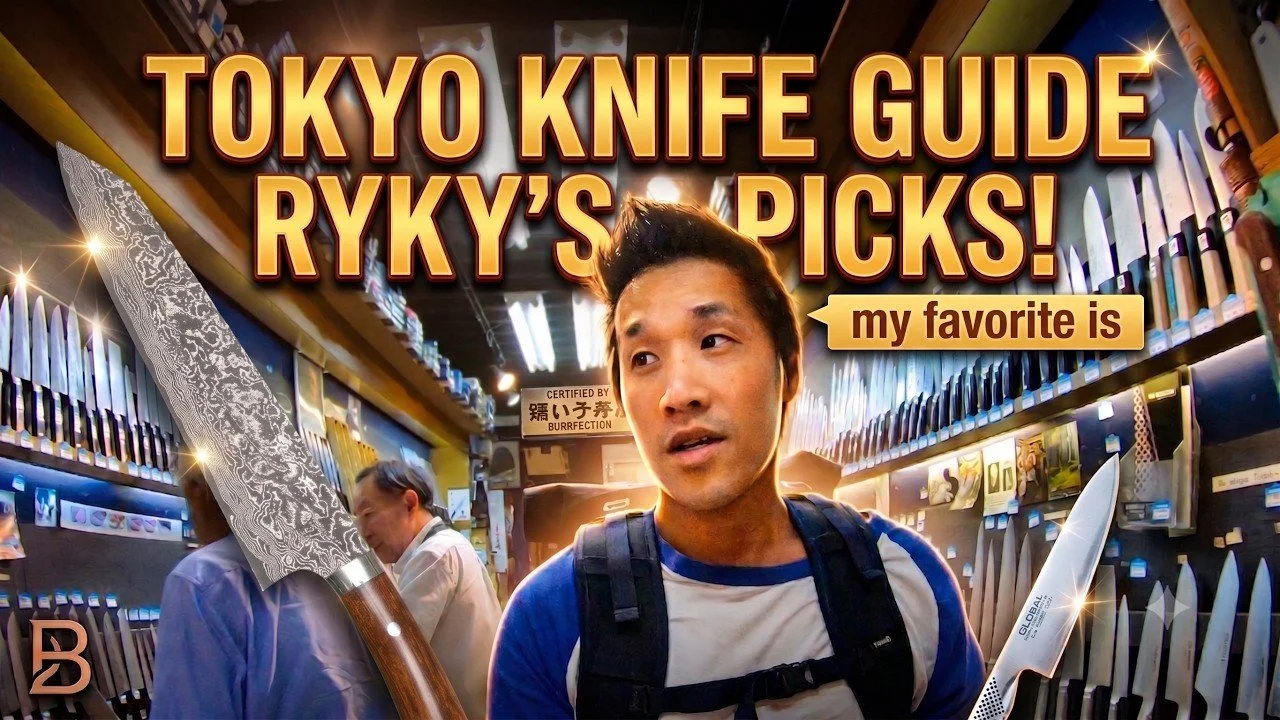
The Tokyo Cutlery Circuit: Navigating Kappabashi, Natural Stone Realities, and the 70 HRC Knife Myth
Walking through Tokyo’s Kappabashi Dougu Street strips away romanticized marketing and reveals the true working mechanics of Japanese cutlery. From bin-sourced wa-handles and $1,600 natural Kyoto quarry stones to our search for a mythical 70 HRC knife at Nihonbashi’s historic Kiya, here is what happens when retail hype meets metallurgical reality.
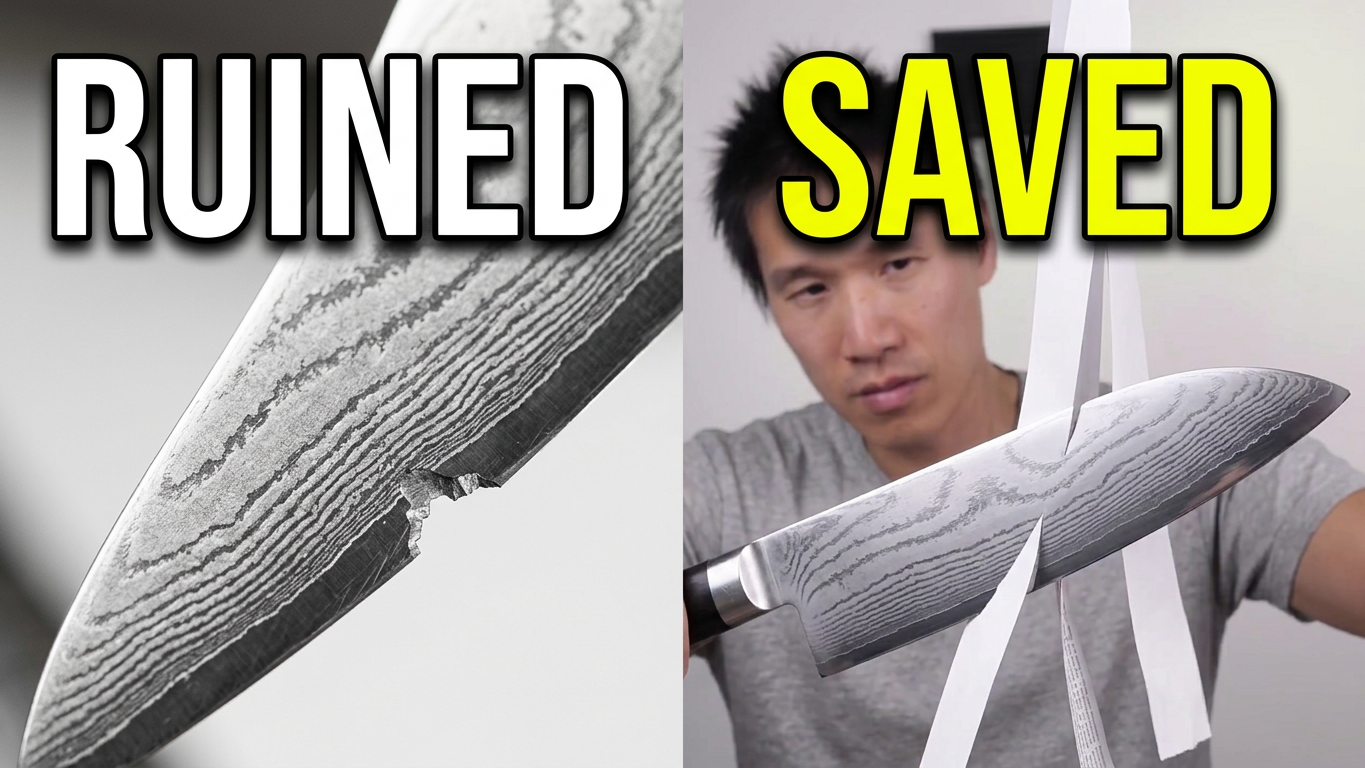
Rescuing a Ruined Edge: The A-to-Z Guide to Repairing a 2mm Blade Chip
A 2mm chip in your knife edge isn't a death sentence—it's an opportunity to rebuild and optimize your geometry. Discover how to rapidly grind out severe fractures using steep-angle techniques, reshape an awkward curved belly into a flat push-cutter, and restore a screaming-sharp apex using a minimalist bench setup.
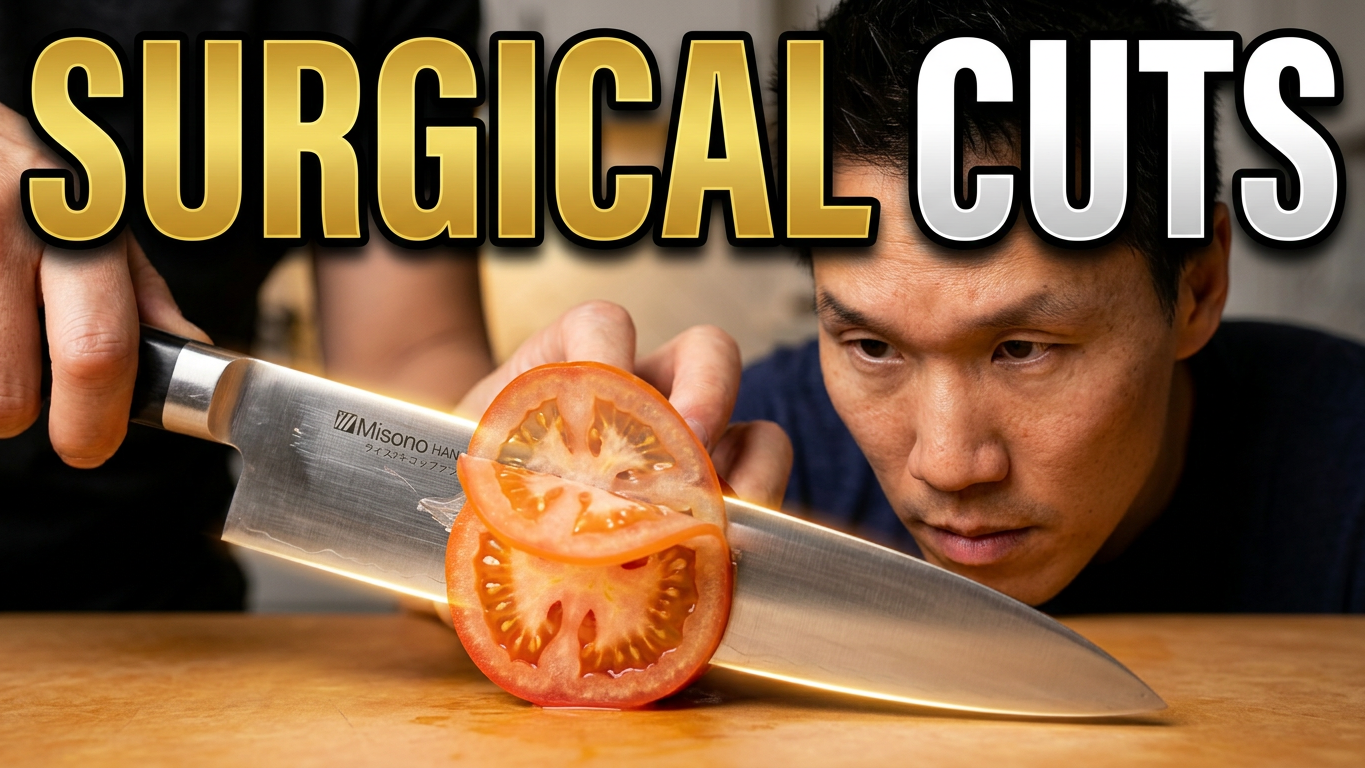
Decoding Misono: UX10 vs. 440 vs. Molybdenum (Complete Buying Guide)
Walk into any commercial kitchen in Japan, and you will likely see a Misono on the cutting board. But with four distinct model lines ranging from entry-level Molybdenum to the flagship UX10, which one actually deserves a spot on your bench? We break down the metallurgy, the aggressive 70/30 edge geometry, and the hidden ergonomic compromises of Japan's most popular Western-style cutlery.
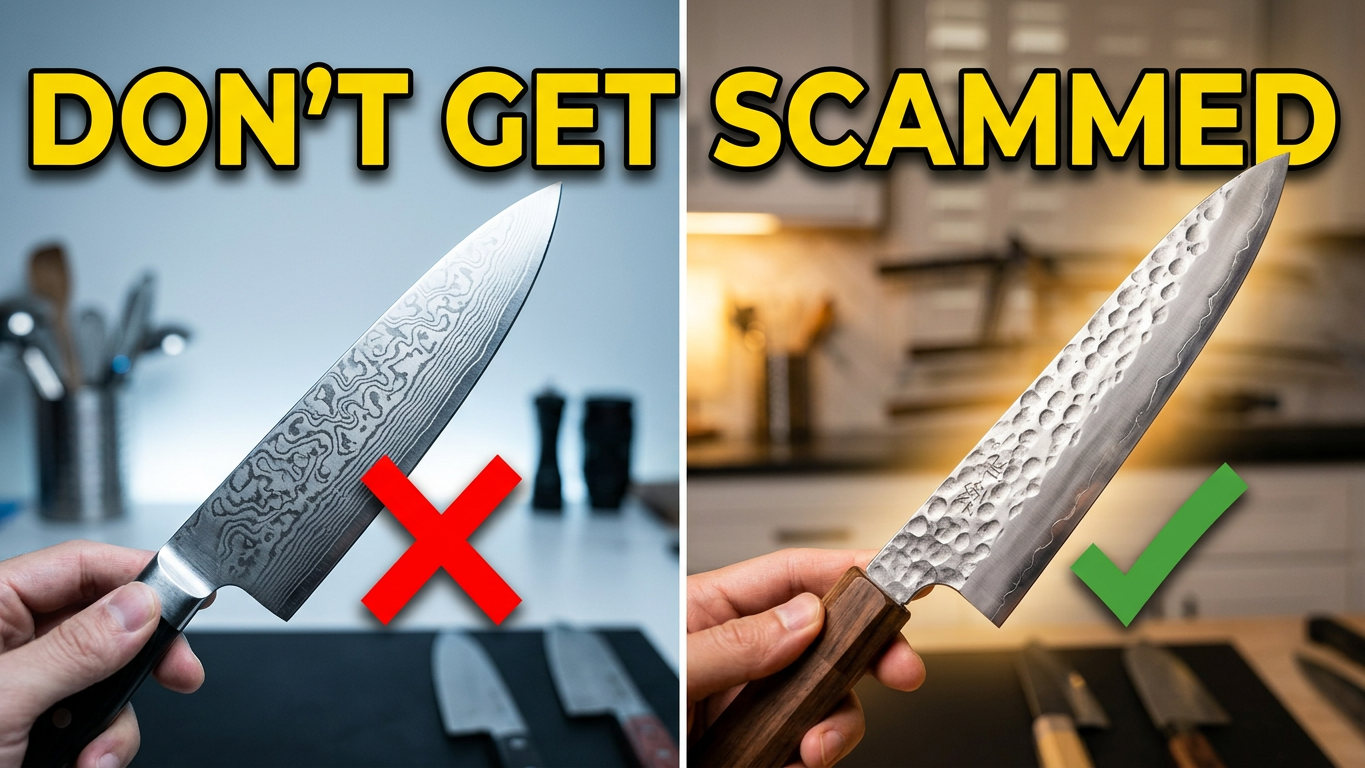
5 Knives You Should Never Buy: Steel Metallurgy, Origin Myths, and Practical Pitfalls
In an era dominated by hyper-targeted social media ads and high-commission influencer marketing, buying kitchen cutlery has become a minefield. From misleading "Japanese style" OEM rebadging to extreme 70 HRC super-steels that resist standard waterstones, we break down five knives you should never buy—and the metallurgy behind why.

The Sub-$100 Hand-Forged Anomaly: Naru 165mm Aogami #2 Bunka Review
An authentic hand-forged Japanese knife under $100 shouldn't exist in today's market. We test the Naru 165mm Bunka in Aogami #2 steel, examining its Tosa blacksmith roots, distal taper, and cutting geometry.

Beyond the BESS Scale: The Physics of Ultra-Hard Steel Geometry and Sub-50 Apex Sharpness
Can a knife register an 8g BESS score? We analyze the physics of ultra-hard powder metallurgy (up to 71 HRC), apex keenness versus food separation geometry, and custom hand grinding.
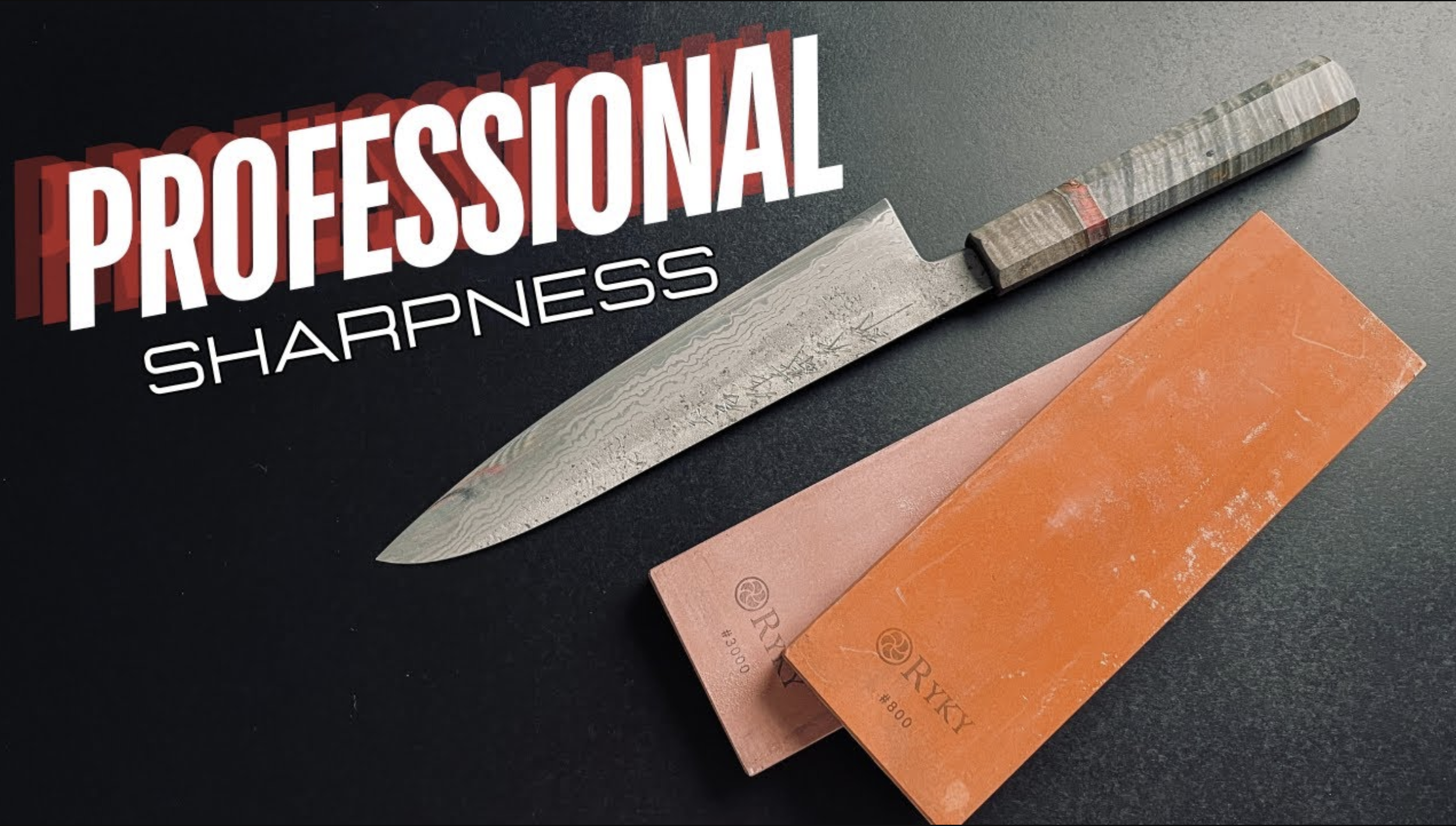
The Linear Gyuto Blueprint: Mastering the Push-and-Pull Freehand Technique
Master the linear push-and-pull freehand sharpening technique for Japanese Gyutos. Learn how to control stroke pressure, lock in consistent bevel angles, and protect flat edge profiles without rounding.
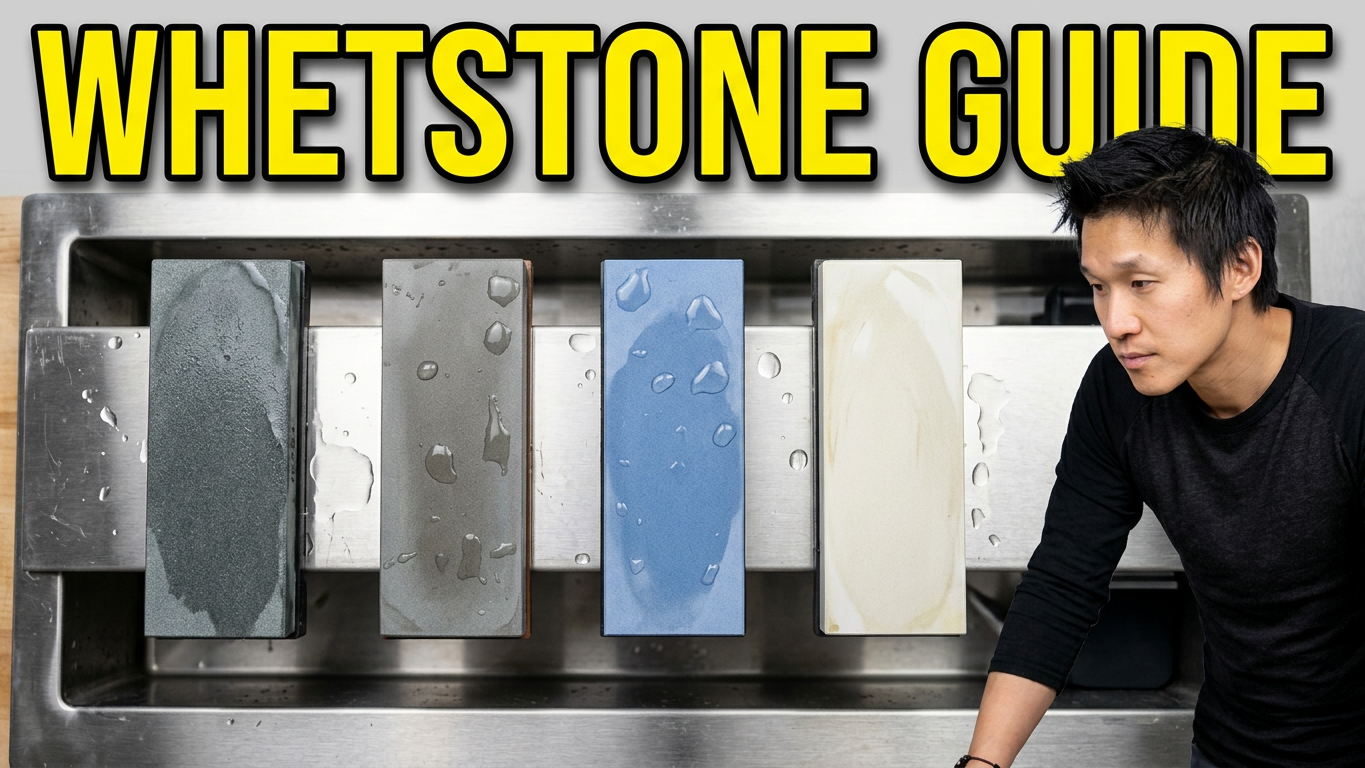
The Comprehensive Whetstone Benchmark: Evaluating 20+ Abrasives from Coarse to 10,000 Grit
An exhaustive benchmark testing 20+ whetstones, ceramics, and diamond plates across seven grit stages. Compare cutting speed, dishing resistance, tactile feedback, and overall value.
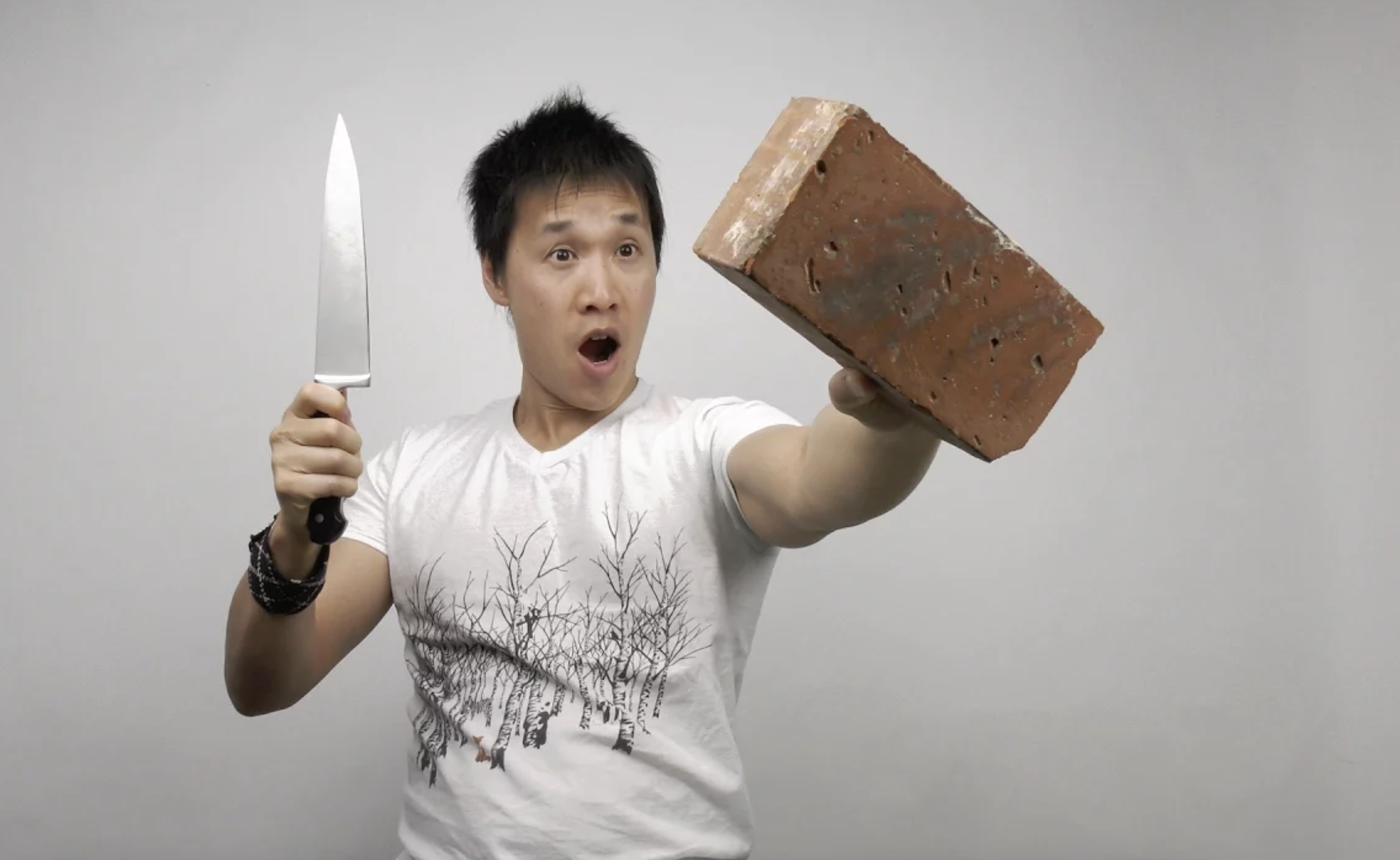
The Ultimate Abrasive Experiment: Sharpening a Kitchen Knife on a Backyard Brick
Can you sharpen a kitchen knife on a backyard brick? We tested the limits of freehand mechanics by turning a raw masonry brick into a functional abrasive to establish a paper-slicing apex.
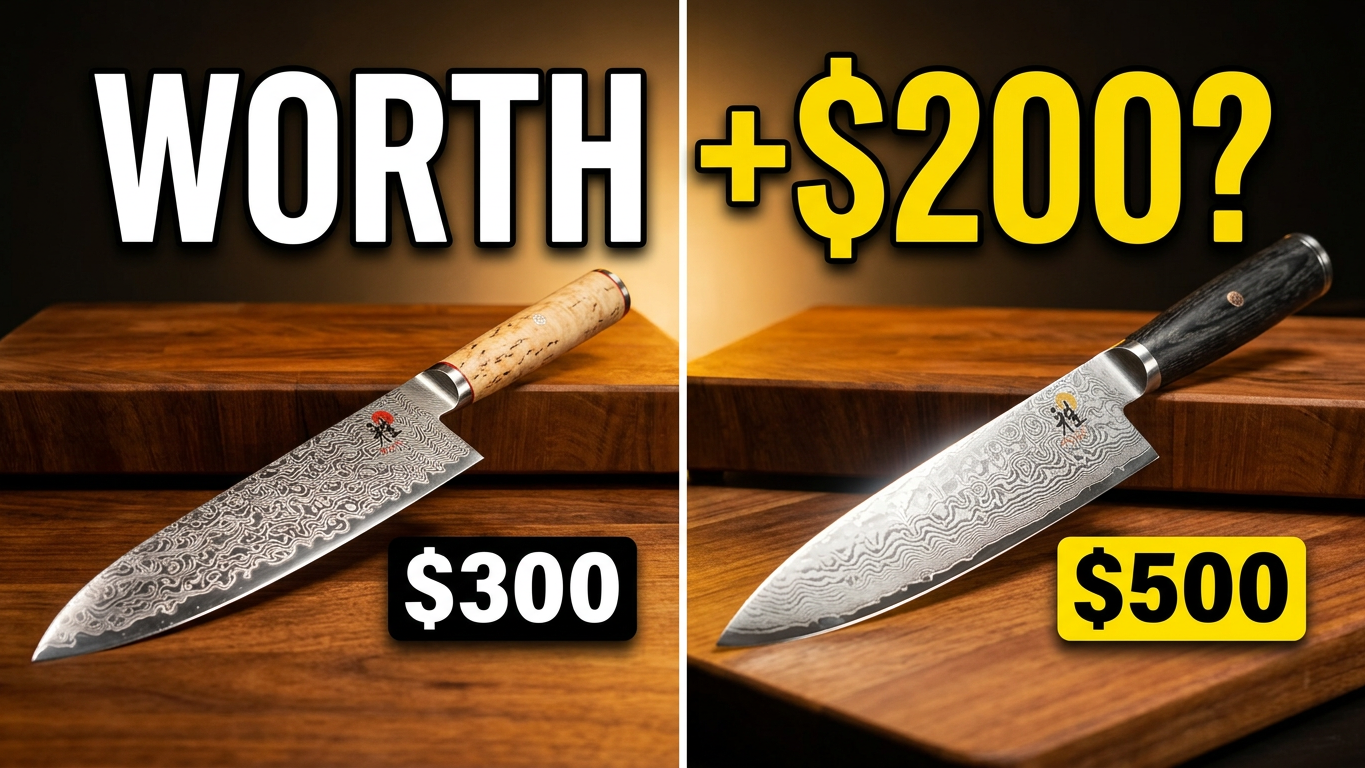
Powder Metallurgy Showdown: Miyabi Birchwood (SG2) vs. Miyabi Black (ZDP-189)
Takefu SG2 at 63 HRC or Hitachi ZDP-189 at 66 HRC? We tested the Miyabi Birchwood against the flagship Miyabi Black across two months of kitchen prep, measuring real-world edge wear, BESS sharpness degradation, and whetstone response.

Solingen Steel on a Budget: Mercer Renaissance vs. Wüsthof Classic Ikon
Wüsthof's Classic Ikon is an undisputed icon of modern German cutlery, but the Mercer Renaissance packs the identical X50CrMoV15 steel, a crowned spine, and a refined half-bolster at a quarter of the price. We analyze geometry, bench testing, and sharpening nuances to find the true value sweet spot.

The $40 Sharpening Gateway: Can a Budget Waterstone Compete with Pro-Grade Glass Ceramics?
Can a $40 budget combination waterstone compete with high-end Shapton or Suehiro glass ceramics? Testing cutting speed, dishing rates, tactile feedback, and overall long-term value.

The Art of Togishi: Why I’m Investing $1,000+ in Traditional Japanese Sword Polishing
Why invest over $1,000 in traditional sword polishing gear? Exploring the art of the Togishi, authentic Katana anatomy, migaki-bo burnishing needles, and translating swordcraft to single-bevel kitchen cutlery.

The Complete Japanese Knife Restoration Blueprint: From Brick-Dull to Utility-Razor Apex
A comprehensive, step-by-step restoration blueprint for Japanese cutlery. Learn how to diagnose edge trauma, flatten primary bevels, thin blade shoulders, and establish a screaming utility-razor apex.

Mastering the Yanagiba: The Complete Single-Bevel Sharpening Blueprint
A technical, step-by-step masterclass on sharpening single-bevel Yanagibas. Learn Uraoshi flat-side rules, Shinogi bevel mechanics, pressure distribution, and setting precision micro-bevels.

Mastering Single-Stone Sharpening: A Razor Edge on a Medium-Grit Waterstone
You don't need a multi-stone progression or leather strops to get a razor edge. Learn the mechanics of single-stone sharpening on an 800-grit waterstone, from tactile angle finding to on-stone deburring.

The Mechanics of Fluid Freehand Sharpening: Mastering the Continuous Arc Technique
A deep technical breakdown of fluid freehand sharpening mechanics. Learn how the continuous arc technique maintains consistent angle control across belly curves and tips without creating uneven facets.