

The Essential Sharpening Setup: Workstation Architecture, Whetstones, and Maintenance Gear
As an Amazon Affiliate, I earn commission on qualifying purchases
Building a high-performance knife sharpening setup does not require hundreds of dollars in specialized equipment right out of the gate. However, it does require a clear understanding of workstation mechanics, steel hardness limits, and how different abrasive binders interact with high-carbon and stainless cutlery.
Whether you are assembling your first bench setup or refining a professional station, every tool in your kit must serve a distinct purpose—from stabilizing your stone to deburring the microscopic apex of the edge.

Burrfection Sharpening station
1. The Workstation Architecture: Base, Holder, and Water Containment
Before an abrasive touch your steel, your workspace must be rigid, wet-tolerant, and ergonomically sound. Movement during a stroke ruins bevel angles and leads to rounded edges.
The Nonslip Base
While a folded, damp bath towel is the classic entry-level solution, dedicated silicone mats provide vastly superior grip on quartz or stainless countertops. They lock your stone holder in place, catch runoff slurry, and prevent water from spreading across your workspace.
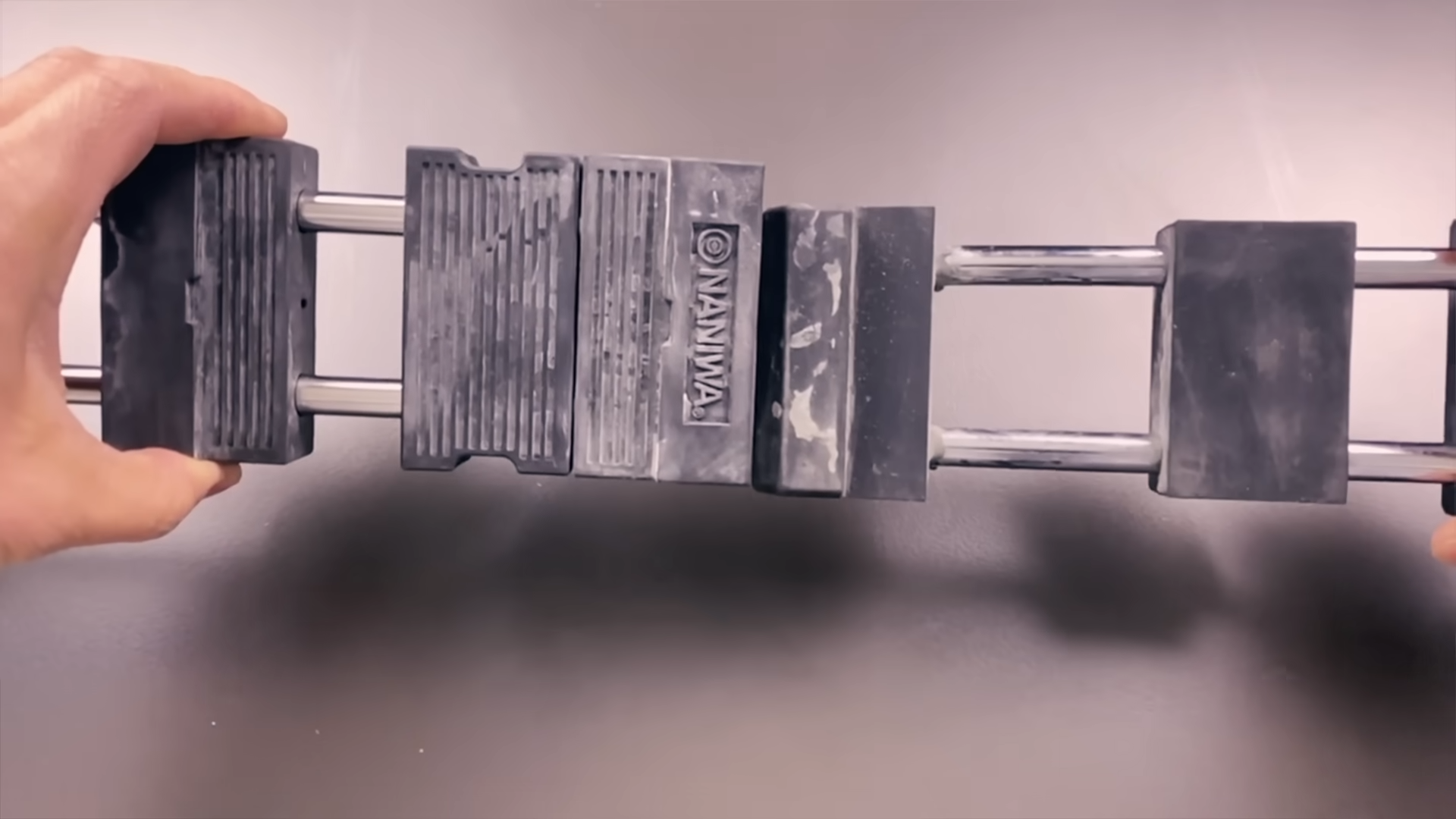
The Stone Holder & Sink Bridge
It is essential to me
A stone holder must hold its ground without flexing or corroding under continuous exposure to moisture.
The DIY Route: A standard red clay brick wrapped in a damp shop towel works remarkably well in a pinch.
The Benchmark Choice: The Naniwa Stainless Steel Holder/Bridge. Most budget stone holders rely on cheap chrome-plated steel rods that rust and freeze up within months. Full stainless steel threaded rods are essential for long-term durability.
Water Containment & Ergonomics
Splashing water during sharpening is unavoidable. A dedicated basin keeps your workstation clean.
4-Inch Water Tub: Offers stiffer walls and a lower center of gravity, ideal for standard counter heights.
6-Inch Water Tub: Essential for sharpeners over six feet tall to lift the working surface slightly, reducing strain on the lower back during long sharpening sessions.
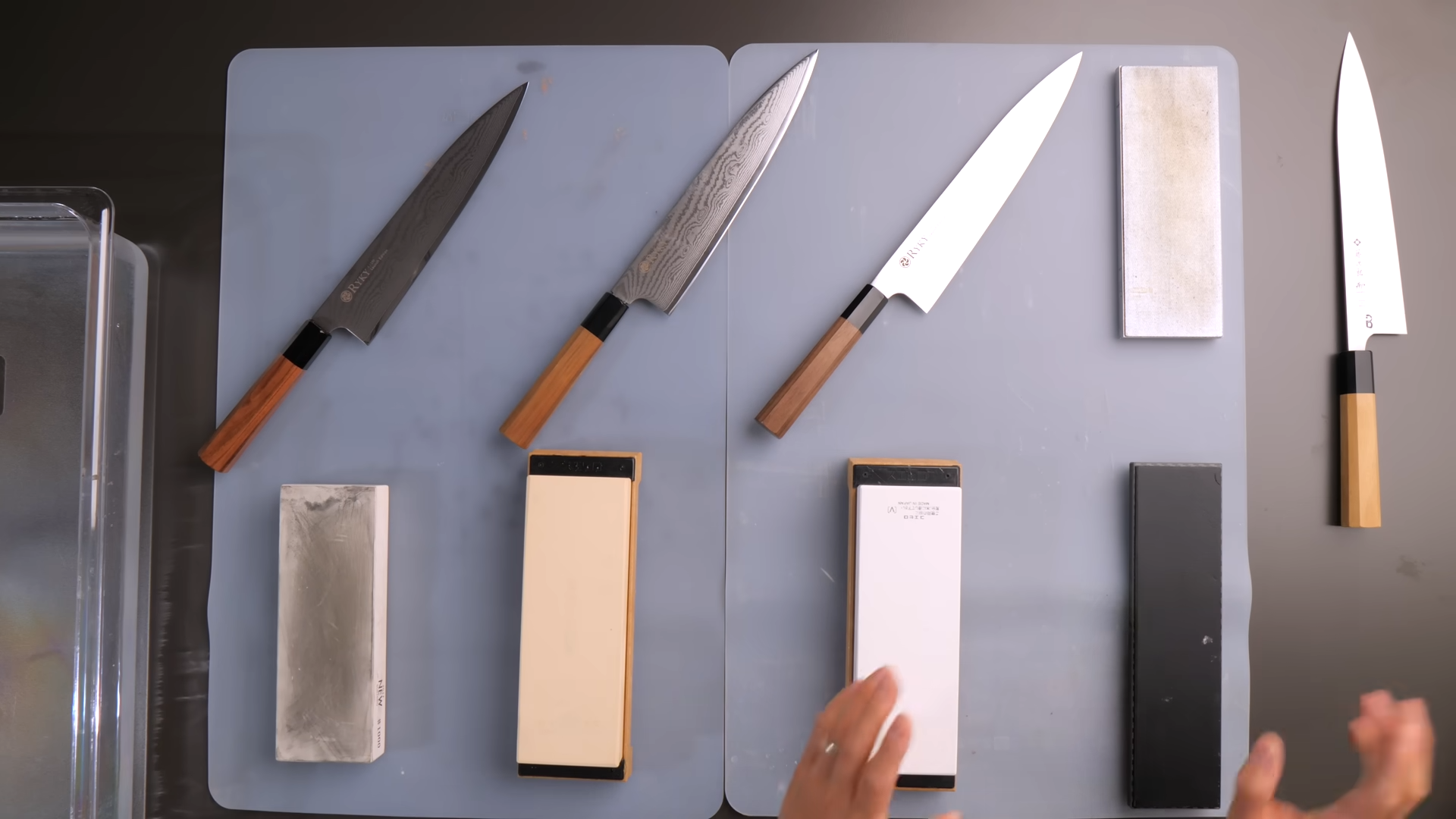
Getting whetstones prepped for sharpening
2. Soaking vs. Splash-and-Go Whetstones
Choosing between soaking (water-absorbent) and non-soaking (splash-and-go) whetstones comes down to prep time, tactile feedback, and the Rockwell hardness (HRC) of your knives.
Recommended Soaking Stones
Soaking stones require 15 to 20 minutes submersed in water before use. They tend to release fresh abrasive grains easily, creating a rich slurry that feels soft and forgiving on the blade.
King Deluxe 1000: The quintessential budget entry stone. It delivers excellent feedback on softer German stainless or mid-tier Japanese steel up to 62 HRC. Above 62 HRC, the matrix breaks down too quickly, leading to rapid dishing in the center of the stone.
Suehiro Cerax 1000: A significant step up from the King. It offers comparable cutting speed but utilizes a denser binder that resists dishing on hard powder steels up to 64 HRC.
Suehiro Rika 5000: A legendary finishing stone among freehand sharpeners. It creates a gorgeous, hazy Kasumi contrast between the soft cladding and hard core steel of clad Japanese knives, providing a buttery, natural feel under the blade.
Recommended Splash-and-Go Stones
Non-soaking stones use dense resinoid or ceramic binders. They require no advance preparation—simply splash a few drops of water on the surface and begin sharpening.
Naniwa Pro 3000: The benchmark medium-polishing stone. Formulated on Naniwa’s high-density ceramic matrix, it offers crisp, tactile feedback, near-zero dishing, and immediate setup time.
Kitayama 8000: One of the most cost-effective fine finishing stones on the market. It delivers a screaming-sharp, mirror-polished edge without the extreme price tag associated with custom 8K ceramics.
3. Combination Stones: The All-In-One Compromise
If space or budget prevents you from buying individual stones, combination (double-sided) whetstones offer a practical bridge.
King KDS 1000/6000: The industry standard for budget combo stones. The 1,000-grit soaking side handles primary bevel formation on knives up to 62 HRC, while the 6,000-grit side acts as a splash-and-go surface for rapid edge polishing.
Custom Naniwa Pro Series Kits: Built on high-density ceramic formulas inspired by Osaka manufacturing standards. These customized configurations streamline splash-and-go efficiency for high-HRC custom cutlery without needing multiple soaking tubs.
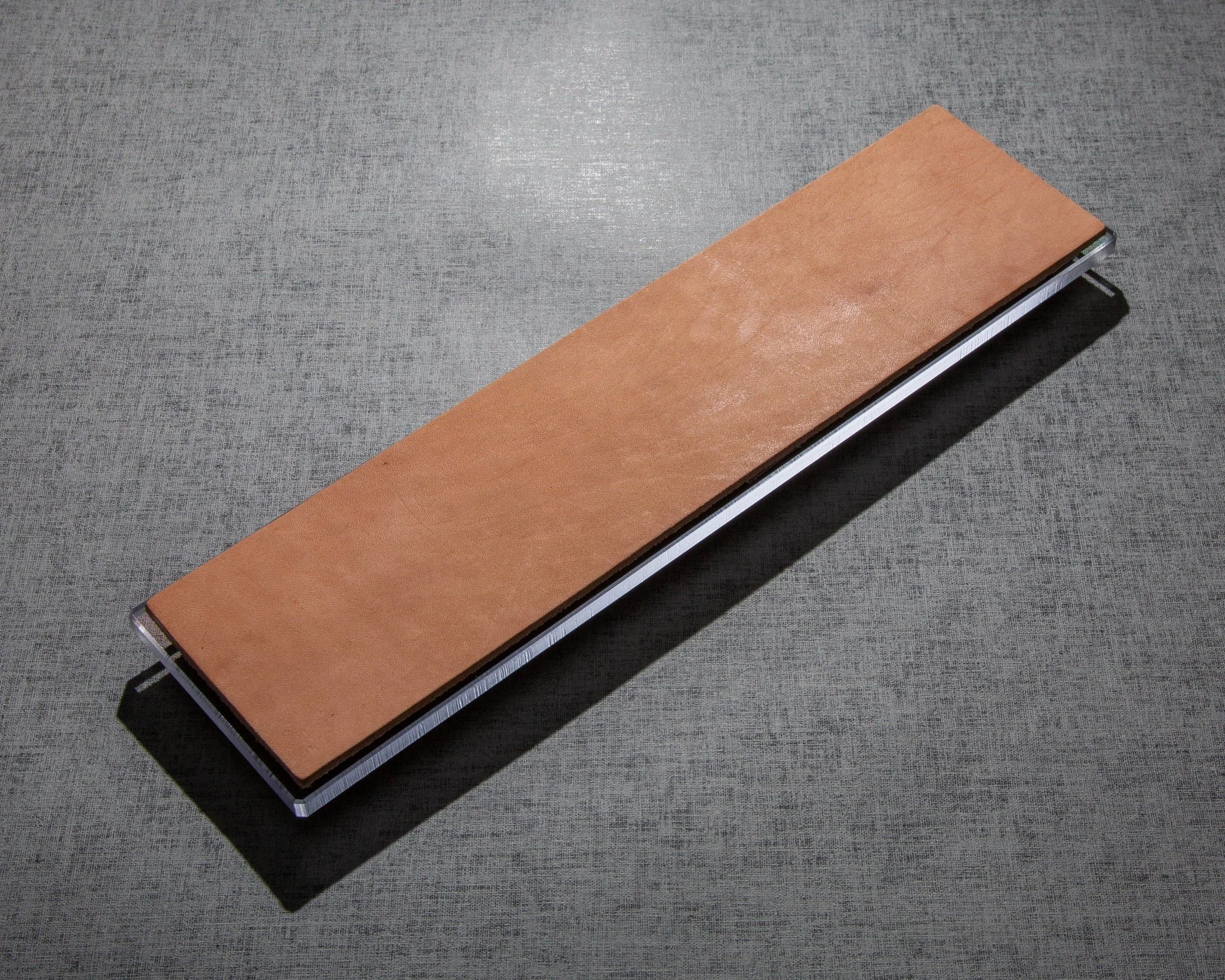
Raw Equine Strop
My current favorite strop
4. Stropping, Deburring, and Maintenance Accessories
An abrasive stone forms the edge, but post-sharpening accessories ensure the apex is clean, deburred, and protected.
Stropping Solutions
Newspaper: A functional, zero-cost emergency strop. The carbon-heavy ink acts as a micro-abrasive. However, newspaper is single-use, degrades instantly when wet, and lacks consistency.
Raw Equine (Horsehide) Leather Strop: The ideal long-term solution. Unloaded horsehide leather offers natural draw and density, cleanly shearing off lingering microscopic wire burrs without rounding the refined apex.
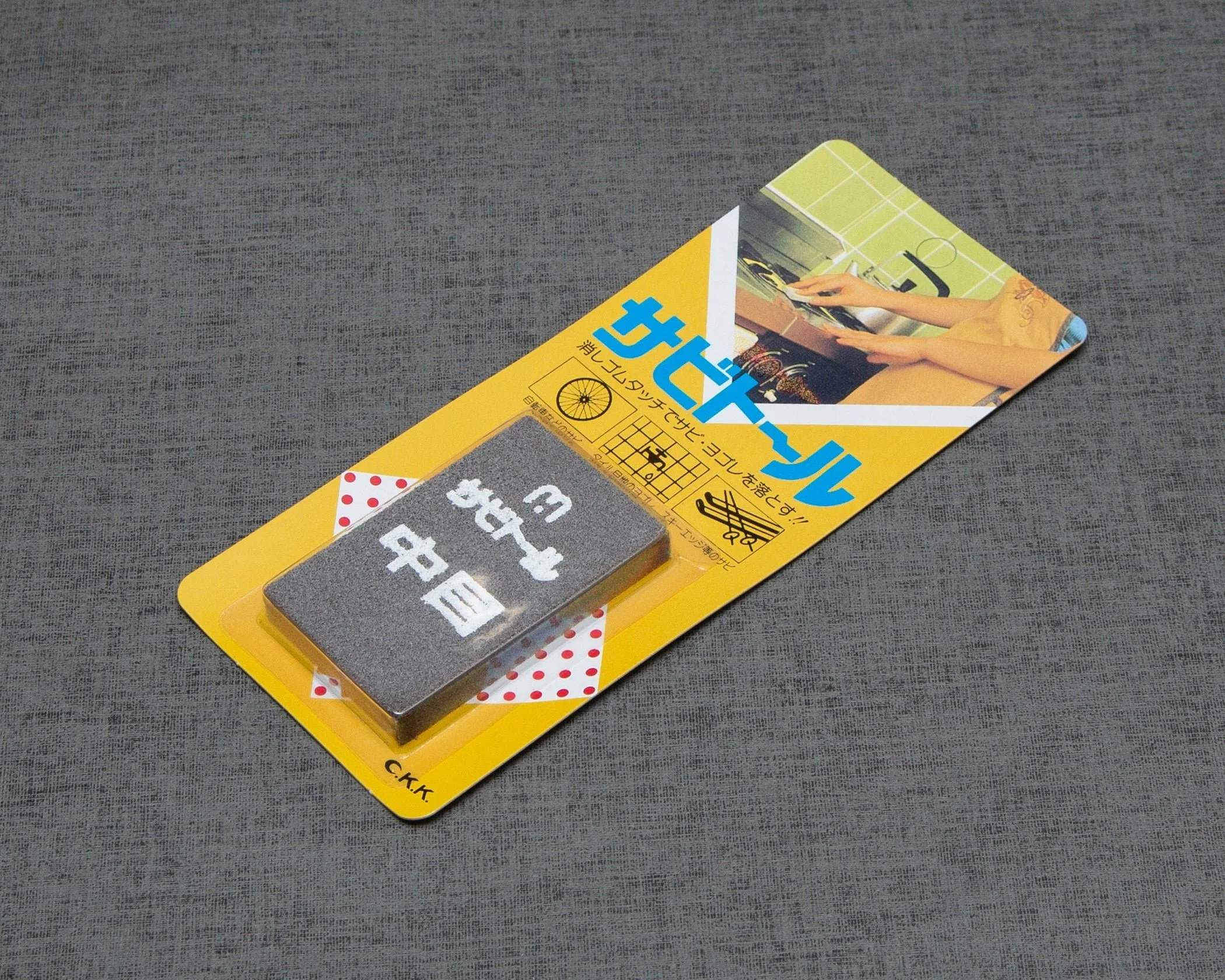
Sabitotu makes my favorite rust eraser
Abrasive rubber blocks (rust erasers) are indispensable around the shop for both knife and stone maintenance:
Coarse Erasers: Deep scratch removal on carbon steel tools and structural cleanup.
Medium Erasers: The ideal tool for removing "loading" (embedded metal swarf) from the surface of synthetic whetstones to restore cutting speed.
Fine Erasers: Removing light patina, water spots, and minor surface oxidation from high-carbon blades.
Specialized Metal Finishing
Koyo Polishing Cloths: A clean, dry alternative to messy liquid pastes and rouge compounds. Excellent for restoring shine to stainless bolsters, handle rivets, and blade flats immediately following a wet sharpening session.