

The $3,000 Silver Lining: Trauma, Resilience, and the Masterpiece Left in the Trash
A production studio is far more than square footage and drywall. For anyone dedicated to high-level craftsmanship and testing, it is a sanctuary—a clean boundary where professional focus is preserved and separated from the sanctuary of home.
Two months after moving into what seemed like a modern, high-security facility ten minutes from home, that boundary was shattered. A targeted break-in wiped out over $25,000 in professional production gear, high-end cinema cameras, and authentic Japanese katanas.
Insurance eventually covers about 80% of tangible property losses. It does not reimburse lost momentum, broken trust, or the psychological inertia that follows a violation of your workspace.
Yet, amidst the destruction, a single $3,000 hand-forged knife by master blacksmith Yu Kurosaki was left sitting in a trash can—a bizarre, poetic symbol of resilience that would redefine the road back.

The Break-In: When Security Fails
The studio setup had seemed ideal: ample space, proximity to home, and commercial-grade electronic security doorknobs. But security systems are only as resilient as their single point of failure.
Walking into a ransacked studio produces a physical reaction that no spreadsheet can calculate. The sight of empty camera tripods, stripped shelves, and unboxed clutter triggers an immediate sensation—your stomach drops, your pulse pauses, and the weight of reality registers slowly.
For over a month, productivity came to a complete halt. Inventory assessments replaced testing schedules. Cleaning up meant endlessly sweeping a floor that felt compromised and shuffling empty cardboard boxes just to maintain the illusion of order.
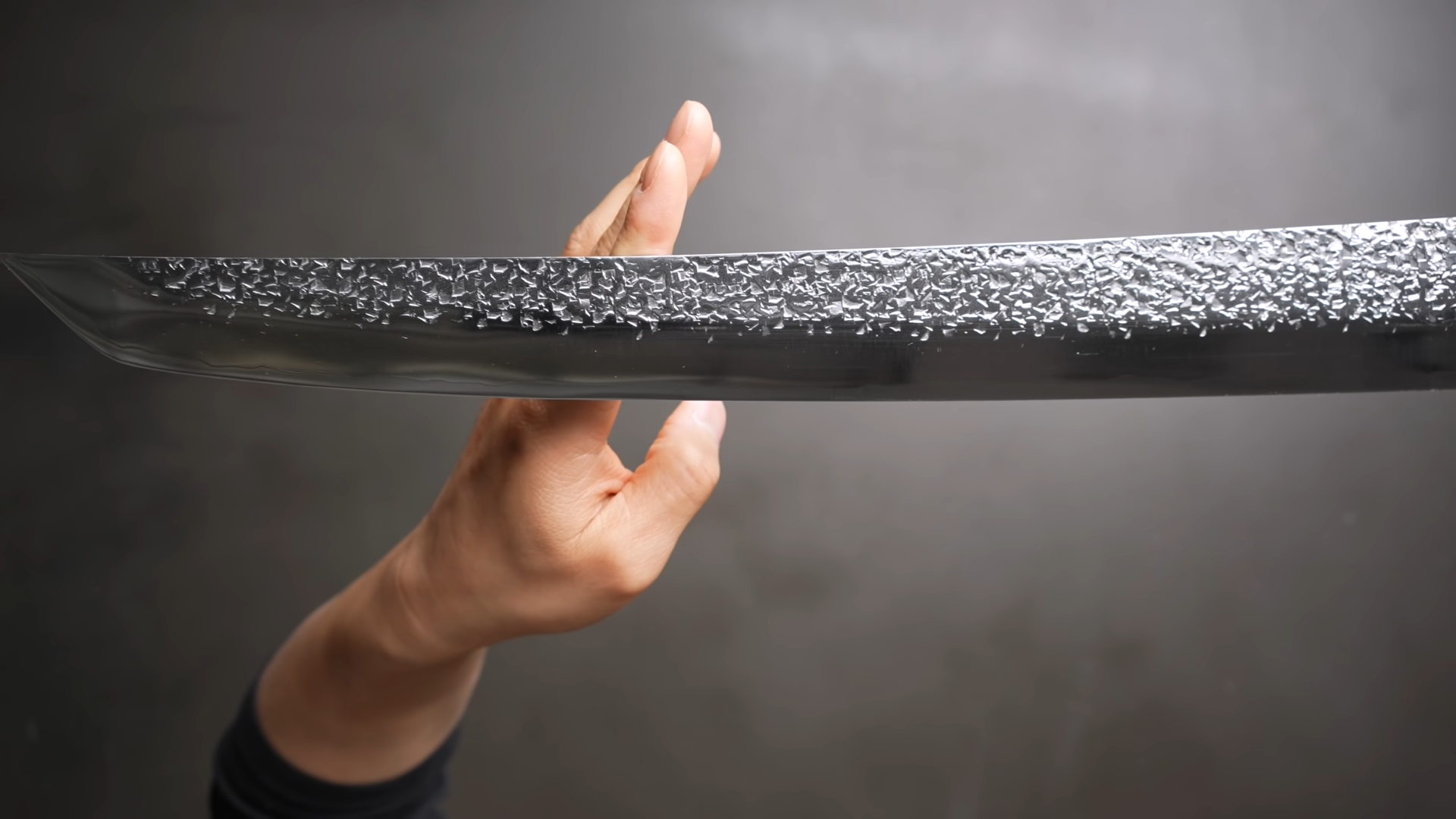
While sifting through debris during the cleanup, an astonishing discovery emerged: a pristine, hand-forged Yu Kurosaki artisan knife resting inside an office trash container.
Why would opportunistic thieves leave a $3,000 masterpiece behind while clearing out thousands of dollars in gear? Within the cutlery community, three primary theories explain the anomaly:
Theory A: Total Lack of Domain Knowledge. To an untrained eye, a massive, highly finished custom Japanese blade can appear intimidating or unconventional. Without brand awareness, thieves often ignore high-value hand-forged steel in favor of easily recognizable electronics.
Theory B: The "Stash and Scavenge" Strategy. Burglars frequently hide high-value items in on-site trash bins or obscure corners, intending to return days later to retrieve them after the initial police report is filed and the scene is cleared.
Theory C: The Black Market Bottleneck. Unlike mass-market cameras or consumer laptops, a distinctive, hand-hammered knife by a master smith like Yu Kurosaki is practically impossible to fence. Its unique hammer pattern (Tsuchime), forge mark, and extreme rarity make it an instant red flag on secondary markets.
Regardless of their rationale, finding that blade intact felt like a message. It remains an irreplaceable piece in our collection—a physical reminder of endurance amidst chaos.
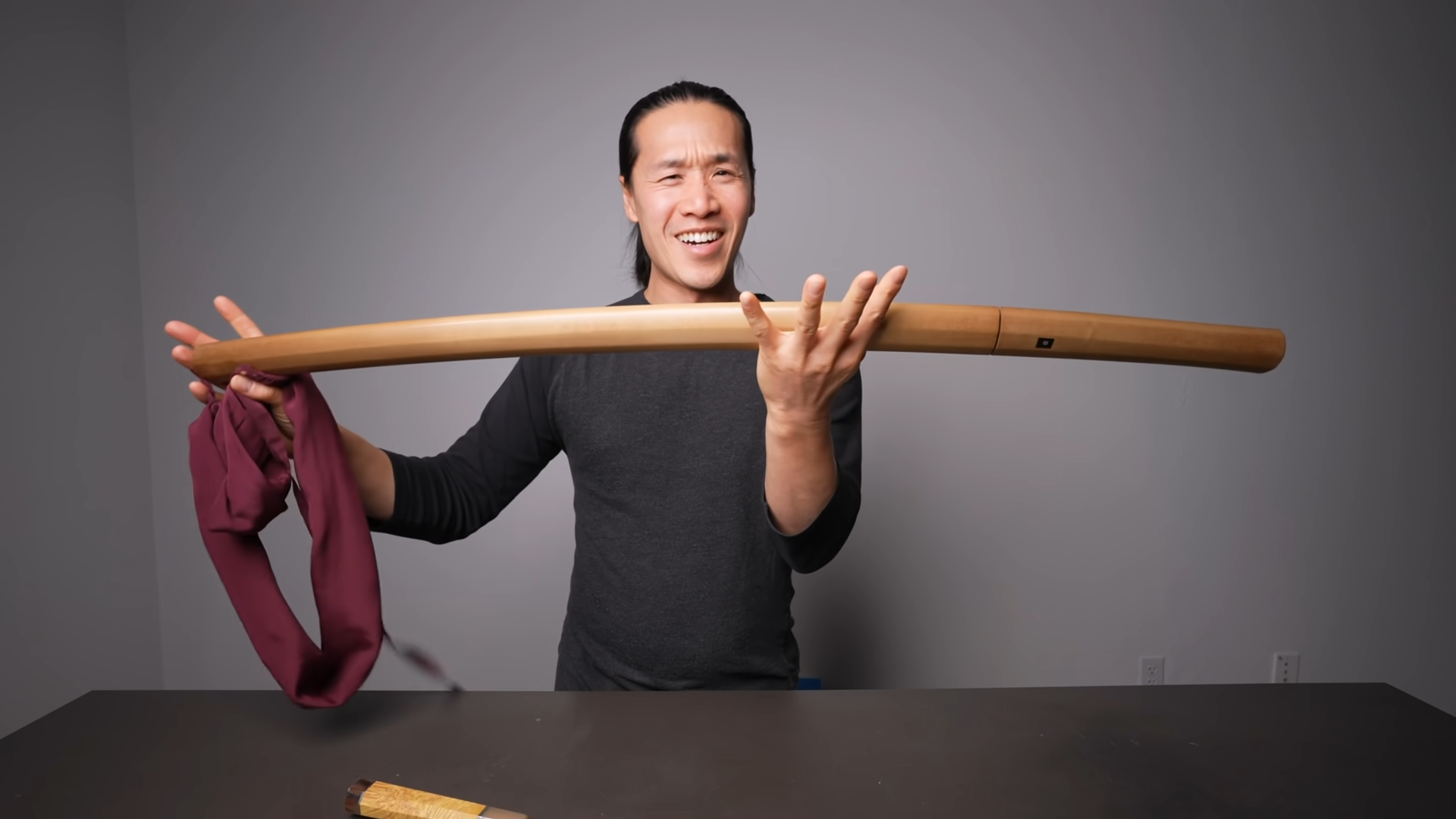
holding a real Japanese katana
The Unseen Cost: Trauma and the Loss of Boundaries
The physical cleanup took weeks; the psychological recovery took far longer.
When your creative space is violated, the instinct to retreat is overwhelming. For months, returning to the studio induced an intense sense of dread. The separation between work and personal life collapsed, forcing testing and administrative work back into the home environment—an area normally reserved for family life and three young children.
Isolation compounds the weight of a break-in. While professional insurance handles property claims, processing the emotional disruption requires time, discipline, and a willingness to confront creative stagnation head-on.

posing with a real Japanese Katana
Rebuilding and Coming Out Stronger
It takes time for the body to stop reacting to the memory of a crisis. Nearly two years after the event, the physical tension associated with that morning has completely faded.
What remains is a deeper appreciation for community. In the weeks following the break-in, the outpouring of support, encouragement, and solidarity from readers and fellow enthusiasts served as the ultimate catalyst for recovery. Out of one of the most frustrating chapters in our history came new partnerships, stronger industry ties, and an unshakeable commitment to high-level editorial independence.
A stolen camera can be replaced with a purchase order. Resilience, however, is forged on the bench—much like the Yu Kurosaki steel that survived the wreckage.