

Decoding Whetstone Grit: The Complete 3-Stage Taxonomy for Freehand Sharpening
As an Amazon Associate, I earn from qualifying purchases
items mentioned
Sharpening Naniwa Pro 800, Naniwa Pro 3000
Polishing Suehiro Rika 5000, Kitayama 8000

Burrfection Sharpening Station
A little time and effort will yield a sharp knife.
Navigating the world of synthetic water stones can quickly become overwhelming. With grit ratings ranging from coarse 140-grit diamond plates up to ultra-fine 15,000-grit polishing stones, many sharpeners fall into the trap of buying endless abrasives without understanding their specific functional role on the bench.
A sharp edge is not created by buying every stone on the market. It is created by knowing exactly which stage of metal removal your blade requires.
To simplify your bench setup and eliminate confusion, all whetstones fall into three distinct functional tiers: Fixing, Sharpening, and Polishing.
Tier 1: Fixing Stones (Up to 320 Grit)
Fixing stones are high-abrasion, heavy-metal-removal tools engineered strictly for blade restoration, chip repair, and structural reprofiling. These are not for routine weekly maintenance. Using a fixing stone on a knife that simply needs a touch-up wastes valuable steel and shortens the lifespan of your cutlery.
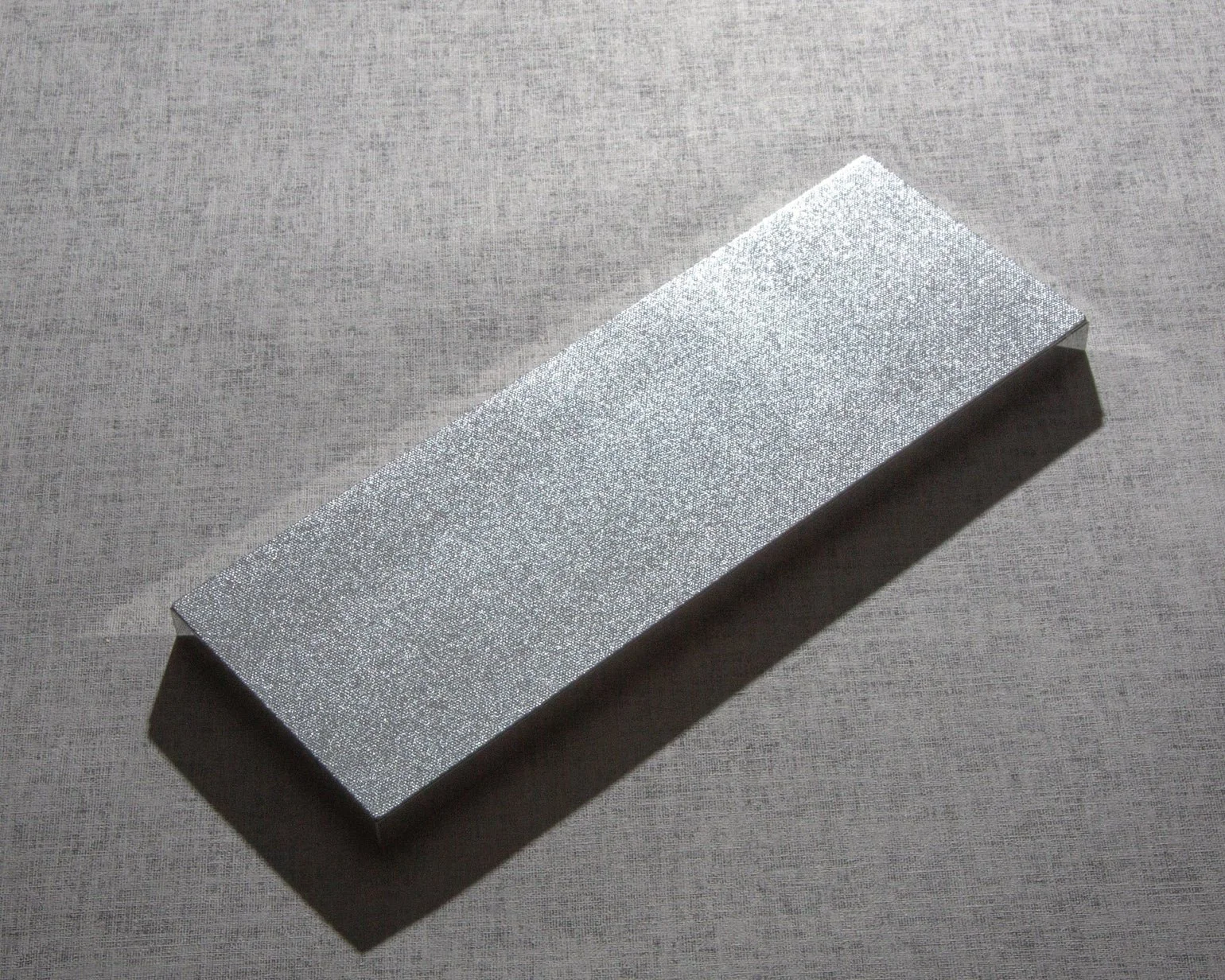
Atoma 140 diamond plate
1. Coarse Fixers (Up to 140 Grit)
Primary Role: Major trauma repair, broken tips, severe deep chips, and blade thinning.
Performance Dynamics: Tools in this extreme range cut metal at maximum velocity. Synthetic water stones in this range tend to dish rapidly, which is why electroplated diamond plates dominate this sub-category.
Benchmark Tool: Atoma 140 Diamond Plate (unmatched speed and zero dishing).
2. Medium Fixers (220–240 Grit)
Primary Role: Micro-chip removal and bevel reshaping.
Performance Dynamics: Provides rapid steel removal while producing a slightly less gouged scratch pattern than a 140-grit plate, making the transition to medium stones faster.
3. Fine Fixers (320 Grit)
Primary Role: Restoring dead-dull, neglected edges or serving as the bridge between repair work and primary bevel sharpening.
Performance Dynamics: Removes deep scratches left by 140-grit plates while establishing a clean foundation for sharpening.
Benchmark Tool: Suehiro Cerax 320 (soft, feedback-rich binder for aggressive cutting).
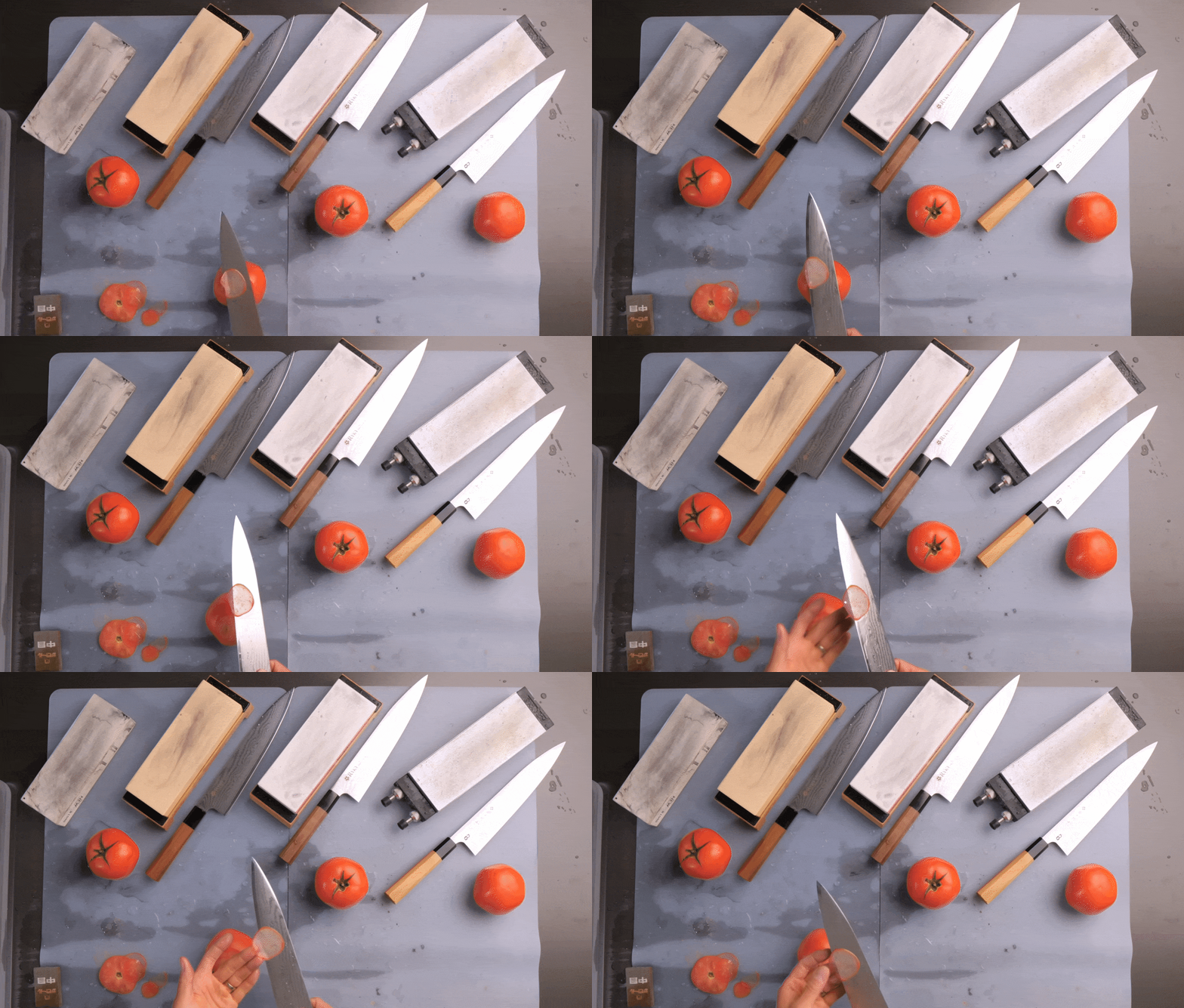
polishing stones give your knives that super clean edge
Tier 2: Sharpening Stones (400 to 3,000 Grit)
This is the core workhorse category where 90% of freehand sharpening takes place. Stones in this grit range are too inefficient for repairing deep chips, but they are ideal for raising a clean burr and establishing a screaming-sharp, functional kitchen edge.
1. Coarse Sharpening (400–600 Grit)
Great for bringing severely dulled kitchen knives back to life quickly without stripping excessive metal. However, attempting to fix a 2mm edge chip on a 400-grit stone will take an exhausting amount of time.
2. Medium Sharpening (800–1,500 Grit) — The Critical Zone
This is the most important grit range in your entire kit. An 800 to 1,000-grit stone creates the actual cutting edge apex and establishes the primary wire burr.
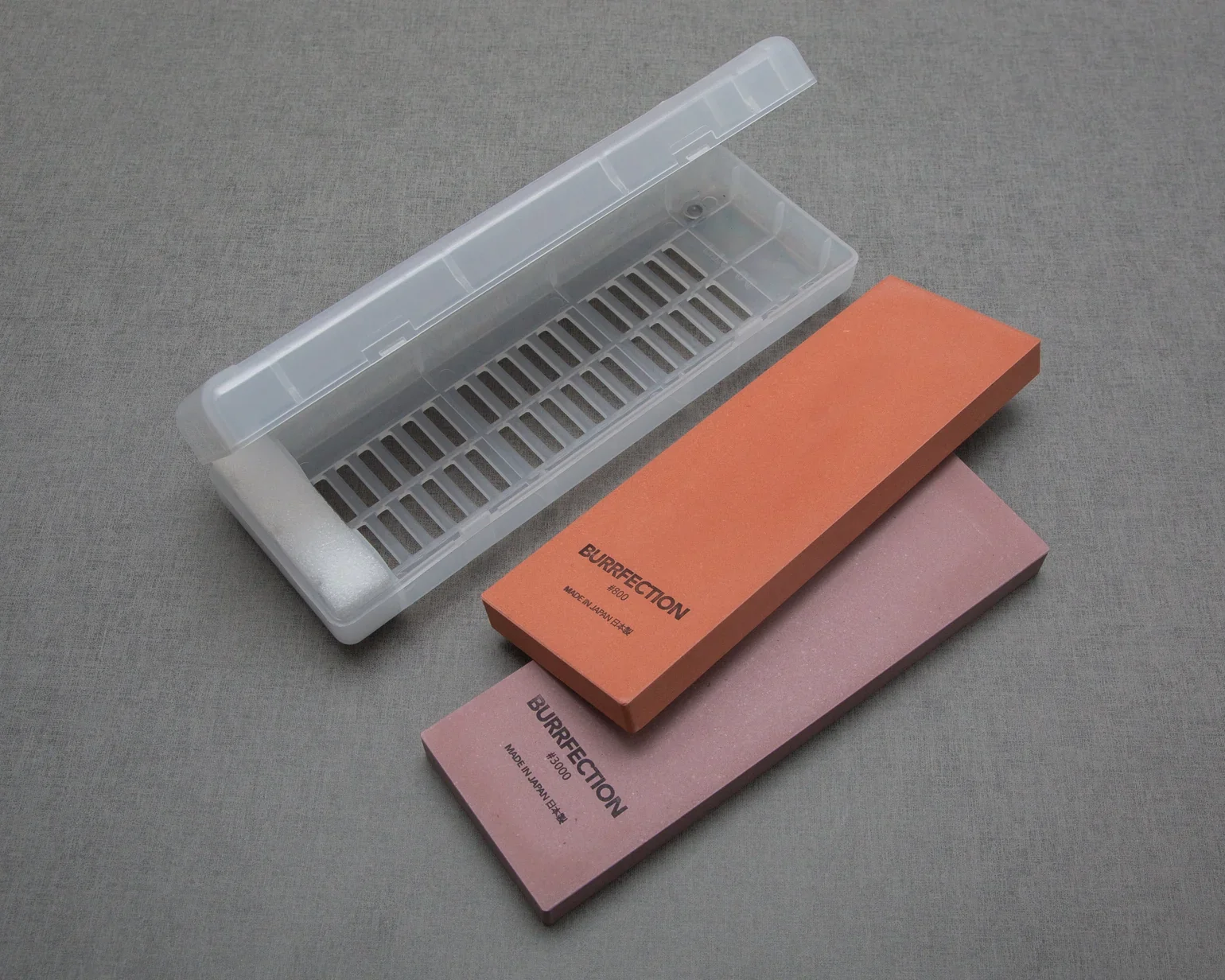
Burrfection’s Go-To Whetstones
Benchmark Tools: Naniwa Pro 800 (ultra-fast splash-and-go ceramic) and Suehiro Cerax 1000 (classic soaking stone with forgiving feedback).
3. Fine Sharpening (2,000–3,000 Grit) — The Underrated Sweet Spot
While 3,000-grit stones are often bypassed by sharpeners rushing toward 6,000-grit polishers, a clean 3,000-grit finish is arguably the single best working edge for general culinary prep. It leaves a refined apex with enough micro-serrations ("bite") to easily grab slick tomato skins and soft proteins without slipping.
Benchmark Tool: Naniwa Pro 3000 (the gold standard single-stone finishing benchmark).

Burrfection polishing knife on whetstone
Tier 3: Polishing Stones (4,000 Grit and Beyond)
Polishing stones do not "sharpen" in the traditional sense—they refine, glaze, and smooth the scratch pattern left by your sharpening stones. They take a functional, toothy edge and transform it into a refined, low-friction blade capable of push-cutting raw fish and delicate vegetables.
1. Medium Polishing (4,000–6,000 Grit)
The most popular finishing range on the market. A 5,000 or 6,000-grit stone refines the edge to a high satin glaze while creating a beautiful, hazy Kasumi contrast on clad Japanese blades.
Benchmark Tool: Suehiro Rika 5000 (famous for silky feedback and traditional Kasumi finishes).
2. Fine Polishing (8,000–12,000 Grit)
Produces a near-mirror bevel finish. Edge keenness is extremely high, making this grit range ideal for Yanagiba (sushi knives), razor sharpening, or high-end carbon steel showpiece blades.
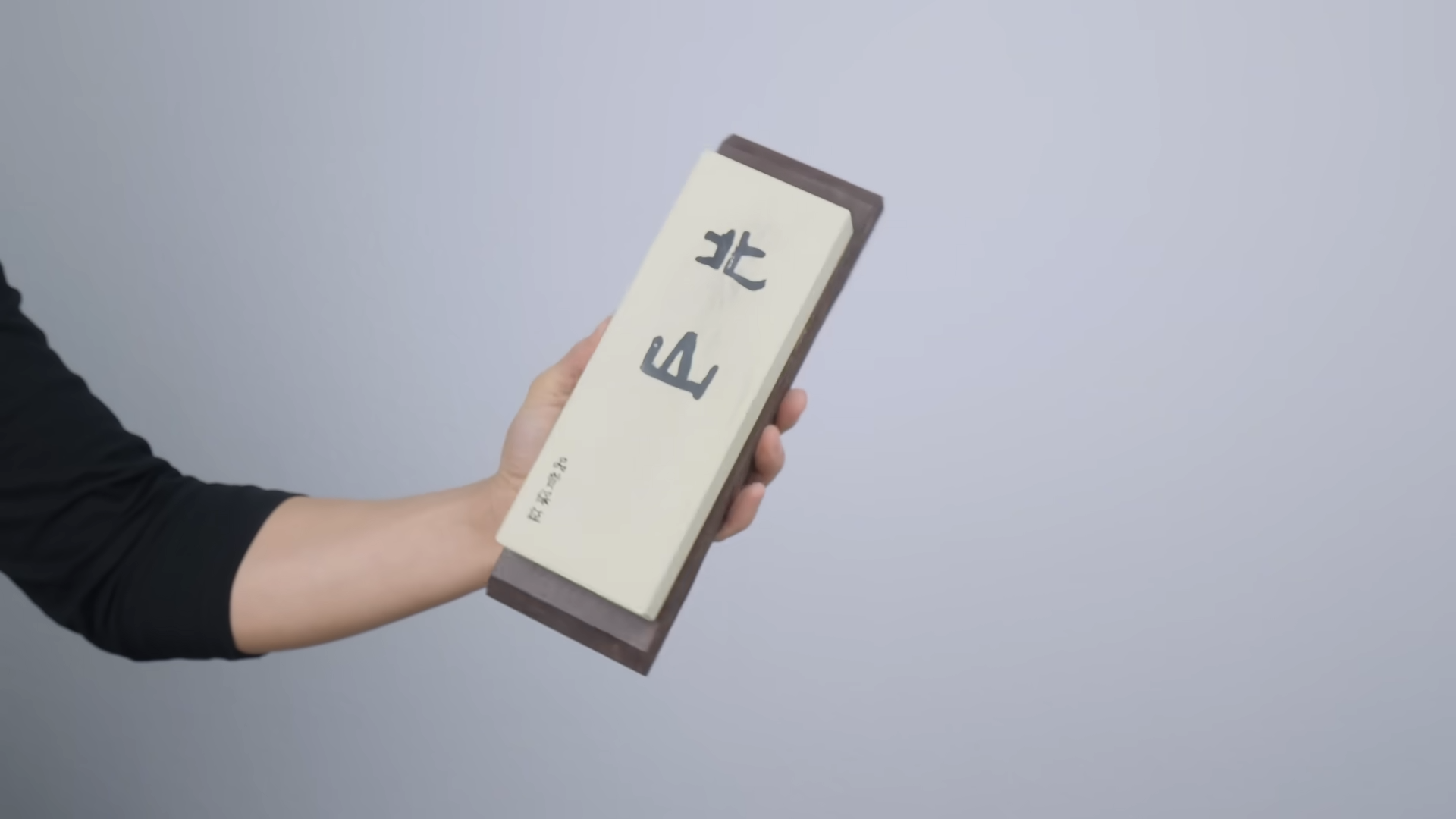
(delivers a bright mirror polish at an accessible value).
Benchmark Tool: 3. Ultra-Fine Polishing (12,000+ Grit)
High-end specialty territory. These synthetic or natural stones (Jnats) yield absolute mirror reflection and laser-like push-cutting precision. However, for 99% of kitchen tasks, the performance gains above 12,000 grit are purely aesthetic and come with steep financial diminishing returns.
Master Whetstone Comparison Matrix
Category / Grit Range / Primary Application / Recommended Frequency / Benchmark Picks
Fixing<140 – 320Chip repairs, reprofiling, thinning As needed (Trauma only)Atoma 140, Suehiro Cerax 320
Sharpening400 – 3,000Apex burr creation, core maintenanceEvery 2–6 weeks Naniwa Pro 800, Naniwa Pro 3000
Polishing4,000 – 12,000+Bevel glazing, Kasumi/mirror polish
Optional post-sharpening Suehiro Rika 5000, Kitayama 8000
The Verdict: Building a Balanced Kit
You do not need a stone from every grit tier to maintain elite kitchen performance. A minimalist, professional two-stone kit consisting of a solid Medium Sharpening Stone (800–1000 grit) and a Fine Sharpening / Medium Polishing Stone (3000–5000 grit) will easily handle 90% of your maintenance needs.
Add a dedicated Fixing Tool (like the Atoma 140) only when you begin working with damaged cutlery or restoring vintage Japanese steel.