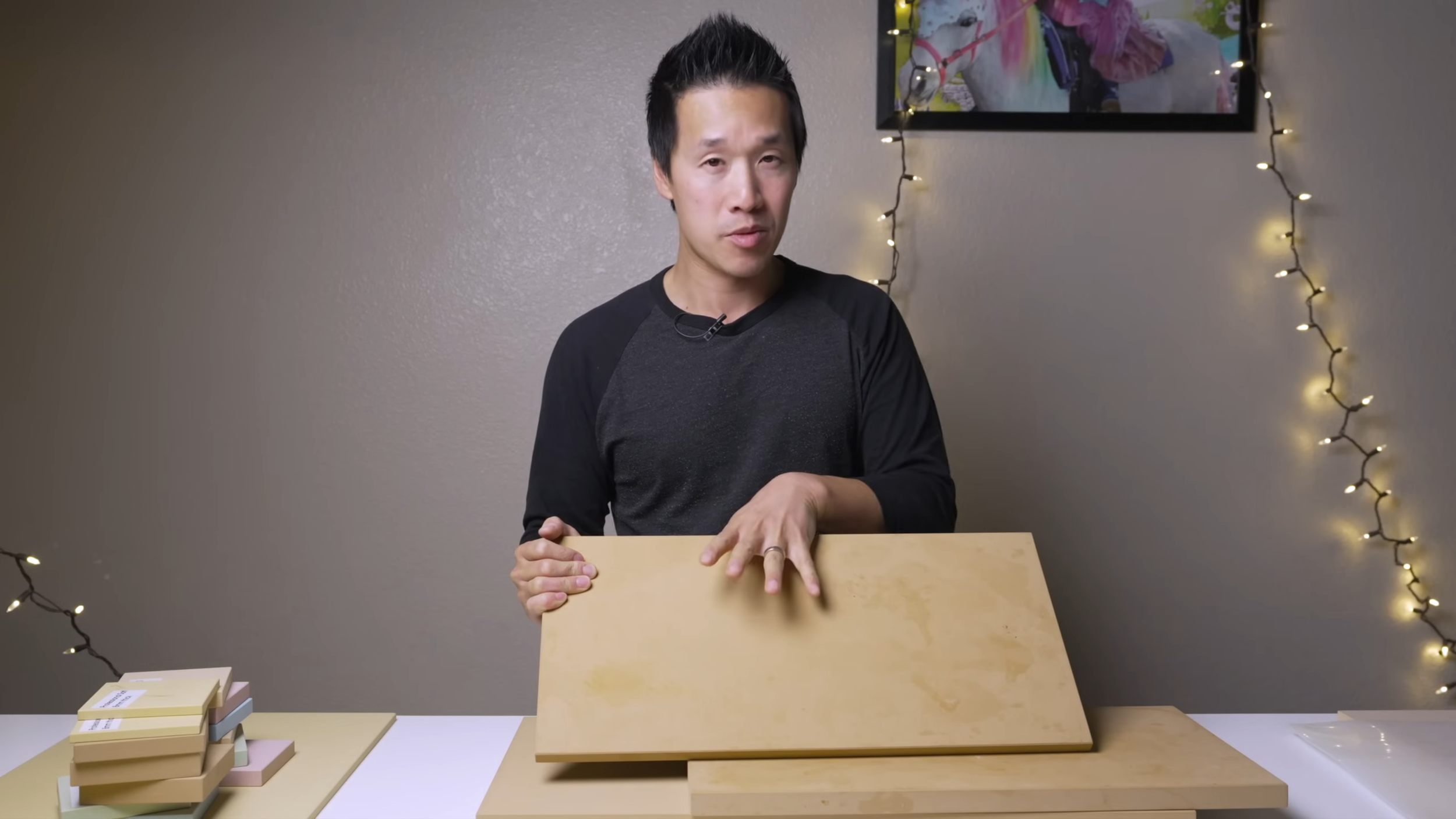
For years, massive end-grain hardwood blocks have been the undisputed centerpieces of high-end home kitchens. But as culinary prep shifts heavily toward raw fish fabrication, high-volume sushi prep, and raw meat butchery, the limitations of wood become obvious. Heavy wooden blocks are cumbersome to lug to the sink, require constant oiling, and trap odors if not meticulously maintained.
Walk into any high-end sushi restaurant in Tokyo, and you will notice the chefs are not prepping on maple or walnut. They rely on three primary surfaces: resin-rich Hinoki wood, Hasegawa wood-core polyethylene, or solid Asahi synthetic rubber.
After transitioning away from thick wood blocks and testing the Asahi Professional lineup extensively, it is clear that synthetic rubber offers a distinct mechanical advantage for edge retention. However, navigating Asahi’s catalog—specifically their varied thickness options and standard versus professional lines—requires understanding how kinetic energy interacts with your cutting surface.
trust retailers BurrfectionStore | Gyuto | WasabiKitchen | Amazon
Disclosure: As an Amazon Associate, I earn from qualifying purchases.
1. The Geometry Advantage: The 2:1 Ratio
Before discussing metallurgy or material density, we have to look at workspace geometry. Most Western cutting boards employ a 3:4 or 9:16 aspect ratio. If you have a shallow countertop (e.g., 9 inches of depth available), a Western board will only give you about 15 inches of horizontal width.
Asahi engineers their boards utilizing a strict 2:1 aspect ratio. A board that is 9.75 inches deep will be 17.75 inches wide. This elongated footprint maximizes lateral cutting real estate, allowing you to establish dedicated zones for raw proteins and vegetables without taking up unnecessary depth on a cramped prep station.
2. Material Science: The Rubber-Wood Matrix
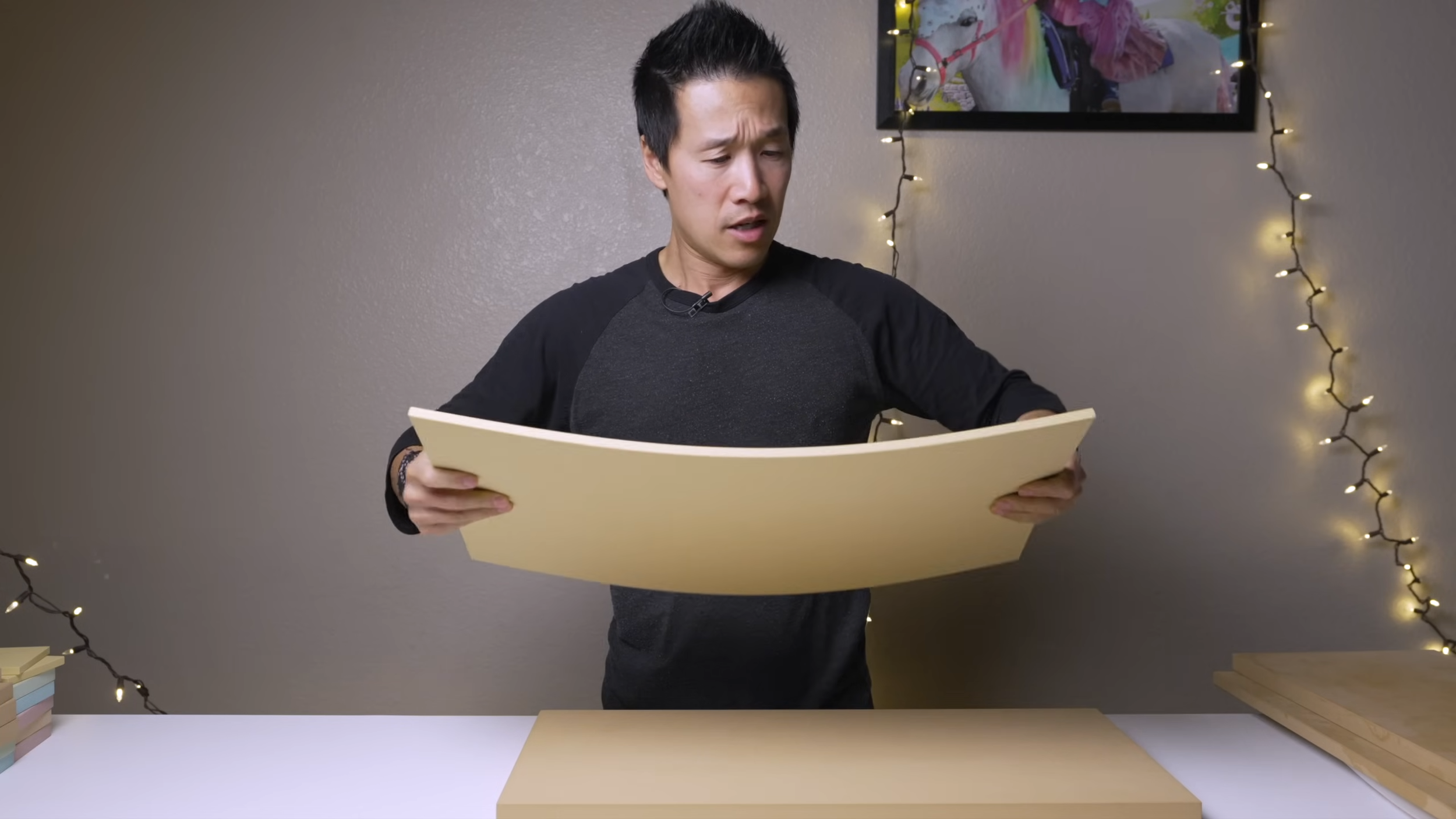
Despite the "synthetic rubber" classification, Asahi Professional boards are incredibly dense. If you bend a 20mm slab, it yields almost zero flex.
If you examine the pristine underside of the board, you will notice dark micro-speckles suspended in the material. Asahi utilizes a proprietary matrix combining synthetic rubber with fine wood particles. This composite structure achieves two critical things:
Density and Weight: It provides the heft necessary to keep the board anchored.
Edge Cushioning: It mimics the tactile feedback of wood while offering the non-porous sanitation benefits of rubber, preventing thin, high-hardness Japanese apexes from folding or micro-chipping during aggressive chopping.

3. The Thickness Hierarchy: 15mm vs. 20mm vs. 30mm
With the Asahi Professional line, thickness directly dictates acoustic feedback and energy transfer. When your knife strikes the board, kinetic energy must go somewhere. If the board doesn't absorb it, that energy reverberates back up into the blade and your wrist.
15mm (The Clack): While it represents a major upgrade over standard plastic, the 15mm board is too thin to fully leverage the rubber’s absorptive properties. During rapid tap-chopping, the board reflects energy back to the user, resulting in a louder, sharper "clack" and increased hand fatigue.
20mm (The Sweet Spot): This is the optimal balance for the home kitchen. The extra 5mm of material completely changes the acoustic profile into a deep, satisfying "thud." It absorbs the shock of heavy push-cuts perfectly while remaining light enough to easily carry to the sink with one hand.
30mm (The Commercial Behemoth): Weighing upwards of 15 pounds, the 30mm board is designed for stationary restaurant prep lines. It offers ultimate shock absorption, but its sheer mass makes daily cleaning in a standard residential sink an exhausting chore.
4. The Wildcard: Asahi Professional 8mm Soft Board
For those who want premium edge retention without the bulk, Asahi offers an 8mm thin soft board.
Featuring a grippy, matte texture, this board is a radical departure from the rigid slabs. It is flexible, highly lightweight, and rolls out perfectly flat without retaining memory-bends. While you wouldn't want to carry a 10-pound brisket across the kitchen on it (it will bow and spill juices), it is the ultimate high-performance travel board for backyard BBQ setups or temporary prep stations.

5. Maintenance, Staining, and The Resurfacing Trick
Switching to synthetic rubber introduces different maintenance rules compared to wood or standard polyethylene:
Stain Absorption: Unlike the lower-tier Asahi Standard boards (which repel all liquids), the Asahi Professional material will absorb trace amounts of moisture and proteins if left unwashed. If you leave seared steak resting on the board for hours, it will leave a shadow.
Drying Time: After washing, the surface retains microscopic moisture for a few hours before fully evaporating.
The Sandpaper Reset: Because the Professional boards are solid blocks of continuous material (no laminated cores), you can literally erase years of wear. When the board becomes deeply stained or heavily micro-scratched, simply take a sanding block with 400 to 600-grit sandpaper and sand the surface. You will strip away a few microns of rubber, revealing a brand-new, factory-fresh cutting surface underneath.
6. The Silicone Mat Hack: Stopping Board Slip
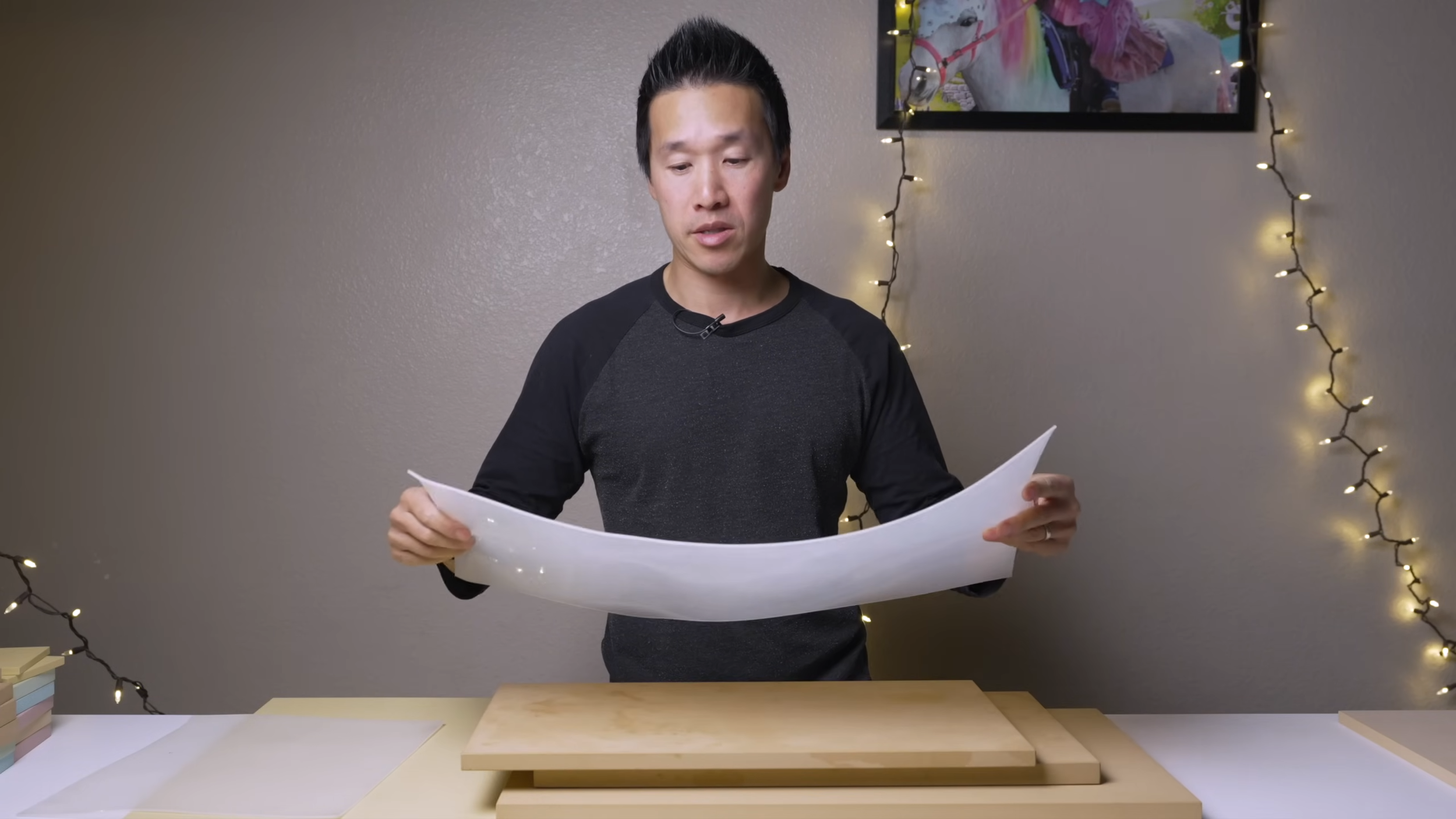
Thin synthetic boards (like the 15mm) have a tendency to slide on wet countertops. While companies like Hasegawa sell excellent, hyper-grippy anti-slip mats, they are expensive and feature deep texturing that traps food particles, requiring tedious cleaning with a toothpick.
The Professional Hack: Go online and purchase a bulk roll of 2mm-thick industrial silicone matting (often sold in 5ft x 10ft rolls). For a fraction of the cost of branded culinary mats, you can custom-cut silicone pads for every cutting board, sharpening stone bridge, and workbench in your house. It provides absolute slip-resistance, zero water penetration, and wipes clean effortlessly.
The Verdict
If you are rock-chopping with heavy German stainless steel, the cheaper, colorful Asahi Standard boards will serve you perfectly well.
However, if you are running acute 12-degree bevels on high-carbon Japanese steel and prioritize edge preservation, the Asahi Professional line is mandatory. Skip the overly heavy 30mm and the slightly harsh 15mm—the 20mm Asahi Pro is the undisputed sweet spot, offering the perfect blend of shock absorption, edge protection, and sink-friendly maneuverability.