


The $100 Gateway: Top Japanese Knives for Precision Prep
Stepping into Japanese cutlery doesn't require a $300 investment. We break down the top sub-$100 chef knives from Seki City—analyzing the Seki Kanetsugu Pro M, Misono Molybdenum, and Seki Satsuma across steel chemistry, blade road geometry, and whetstone response.

Dissecting the Miyabi Lineup: From VG-10 Fusion to the SG2 Birchwood Masterpiece
An architectural and metallurgical breakdown of Miyabi's four core lines: Fusion Morimoto, Mizu, Artisan, and Birchwood. From Cryodur SG2 powder steel and Honbazuke 9-degree bevels to handle ergonomics and waterstone deburring, we dissect Seki City's premier production blades.

The Ultimate Chef's Knife Hierarchy: Real-World Testing from $15 to $350+
From the $15 Mercer Millennia to the hand-forged Masamoto KS and Zwilling Kramer Carbon, we break down the best chef knives across every price tier. An analytical look at metallurgy, bolster design, and whetstone mechanics.
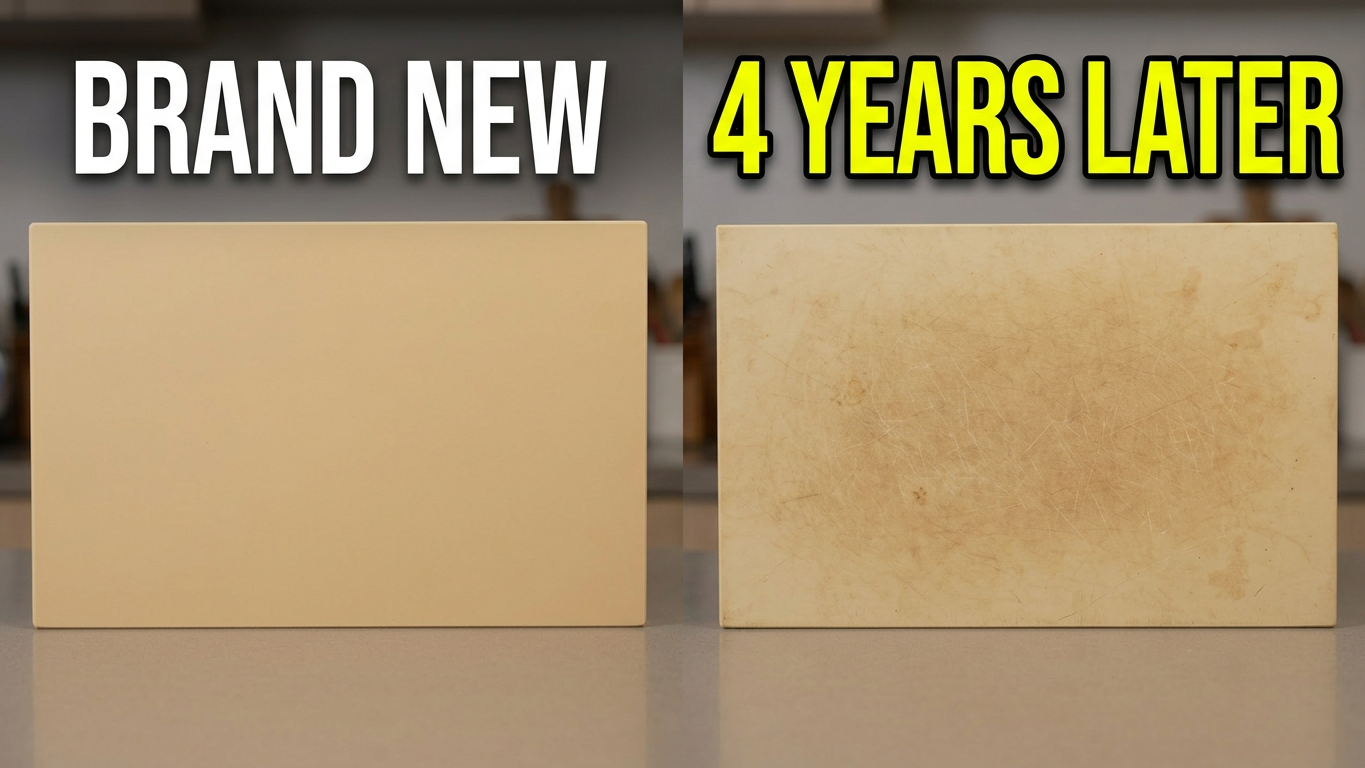
The 4-Year Cutting Board Master Test: Asahi Rubber vs. Hasegawa vs. Richlite Composite
Your cutting board dictates edge retention more than almost any other variable. After four years of continuous daily testing across home kitchens, prep stations, and outdoor smokers, we compare Asahi synthetic rubber, Hasegawa wood-core polyethylene, and Richlite composite to determine which surface belongs on your prep counter.

Victorinox Fibrox vs. Messermeister Four Seasons: The $30 Budget Chef's Knife Shootout
Which $30 budget chef's knife dominates the kitchen? We test the Victorinox Fibrox/Swiss Classic vs. Messermeister Four Seasons across geometry, ergonomics, and edge retention.

The Asahi Rubber Cutting Board Deep Dive: Thickness, Feedback, and Maintenance
Walk into any high-end sushi restaurant in Tokyo, and you will notice the chefs are not prepping on wooden butcher blocks. They rely on synthetic rubber. We break down the material science behind the Asahi Professional cutting board, comparing thickness, acoustic feedback, and the sandpaper trick to keep your surface factory-fresh.

The Science of Board Cushion: A 2-Year Test of Hasegawa, Hi-Soft, and Japanese Synthetic Cutting Surfaces
End-grain wood looks classic, but synthetic Japanese cutting surfaces fundamentally change the rules of edge retention. After two years of continuous daily testing across home and studio kitchens, we evaluate Hasegawa's wood-core architecture, Hi-Soft PVA, and Asahi rubber to find the ultimate cutting surface for high-hardness steel.
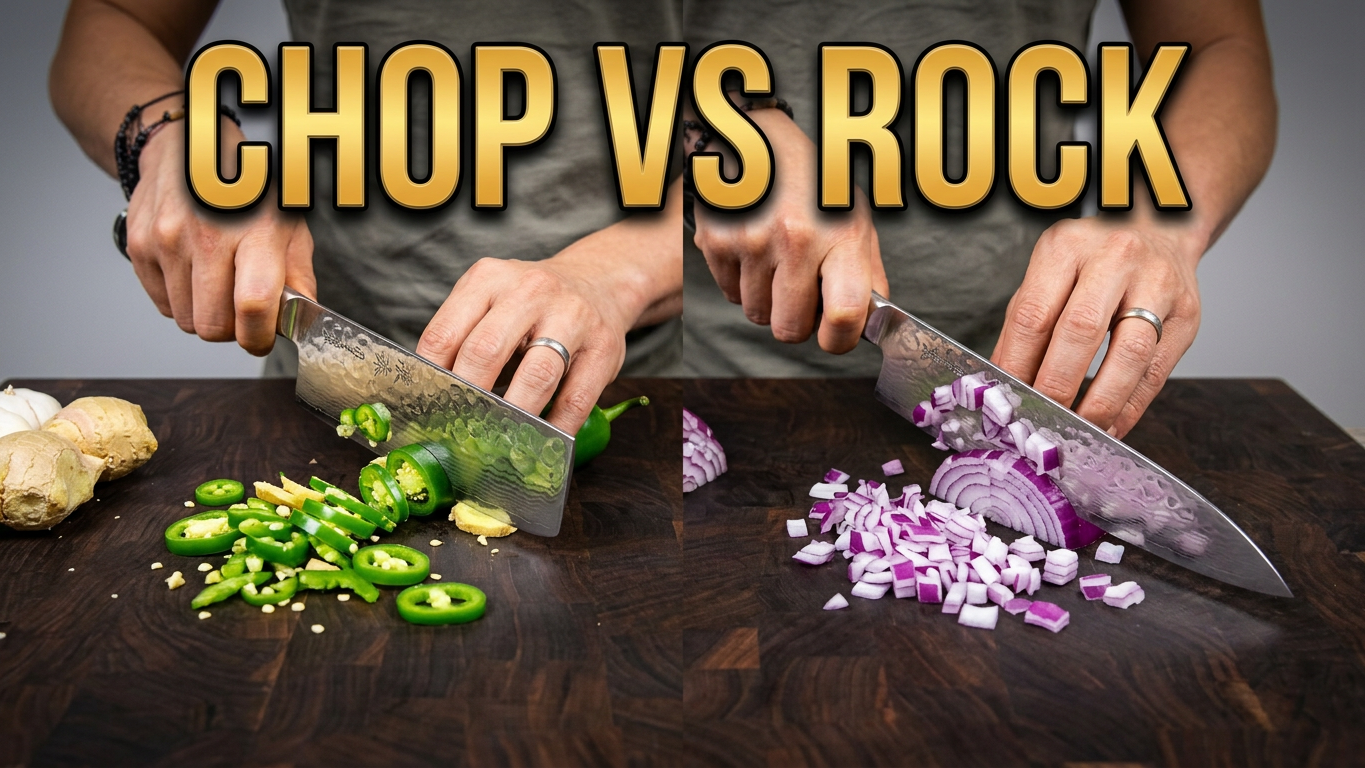
Gyuto vs. Nakiri: Cutting Mechanics, Force Distribution, and Board Geometry
Stripping away a knife's pointed tip fundamentally transforms how mechanical energy hits the cutting board. Pitting a Gyuto against a Nakiri through mountains of dense garlic, ginger, and turmeric, we break down force distribution, board clearance, and why flat profiles eliminate accordion cuts entirely.
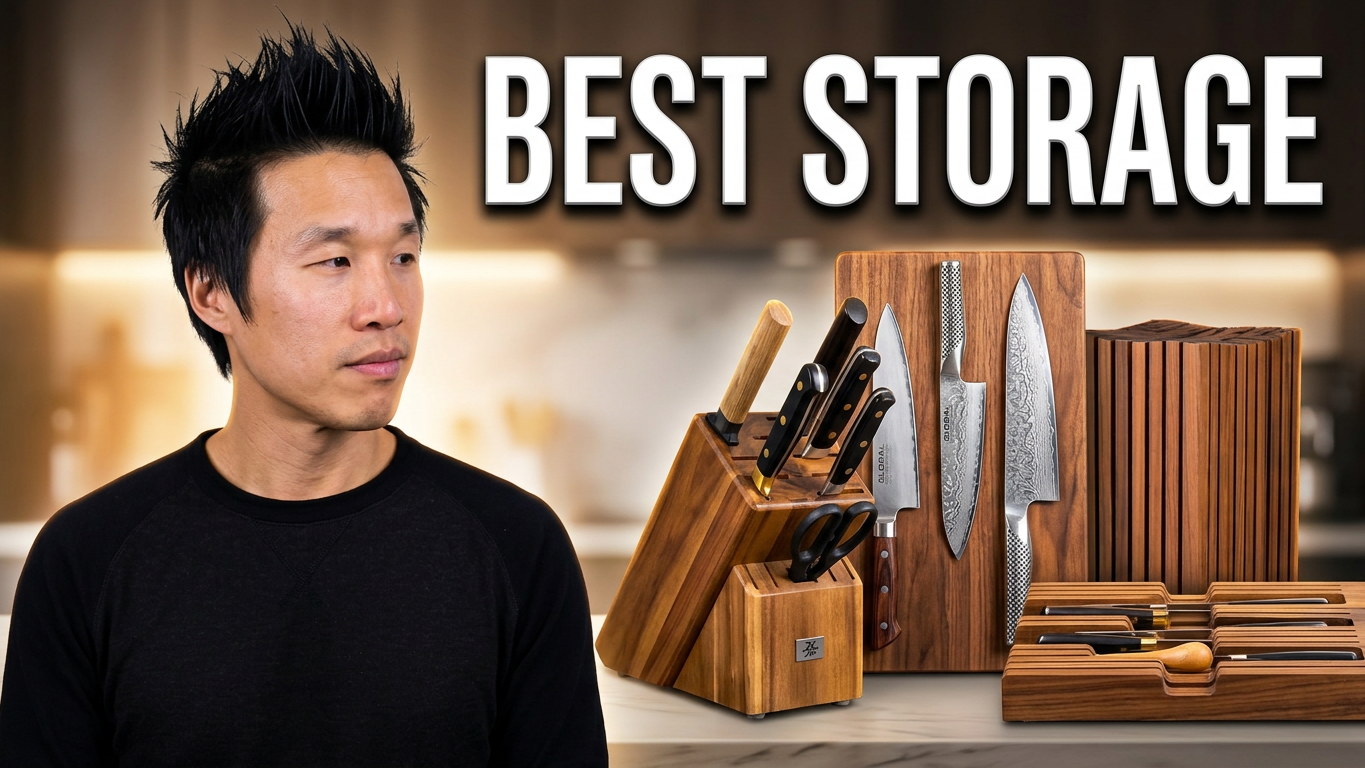
Beyond the Countertop: 5 Kitchen Knife Storage Systems Ranked for Edge Protection, Capacity, and Child Safety
The greatest hazard to a razor-sharp edge often isn't the cutting board—it’s how you store your knives between prep sessions. From unshielded drawer collisions and dated wooden blocks to modular cork inserts and black walnut magnetic bars, we analyze five distinct storage solutions across edge protection, capacity flexibility, and family childproofing.
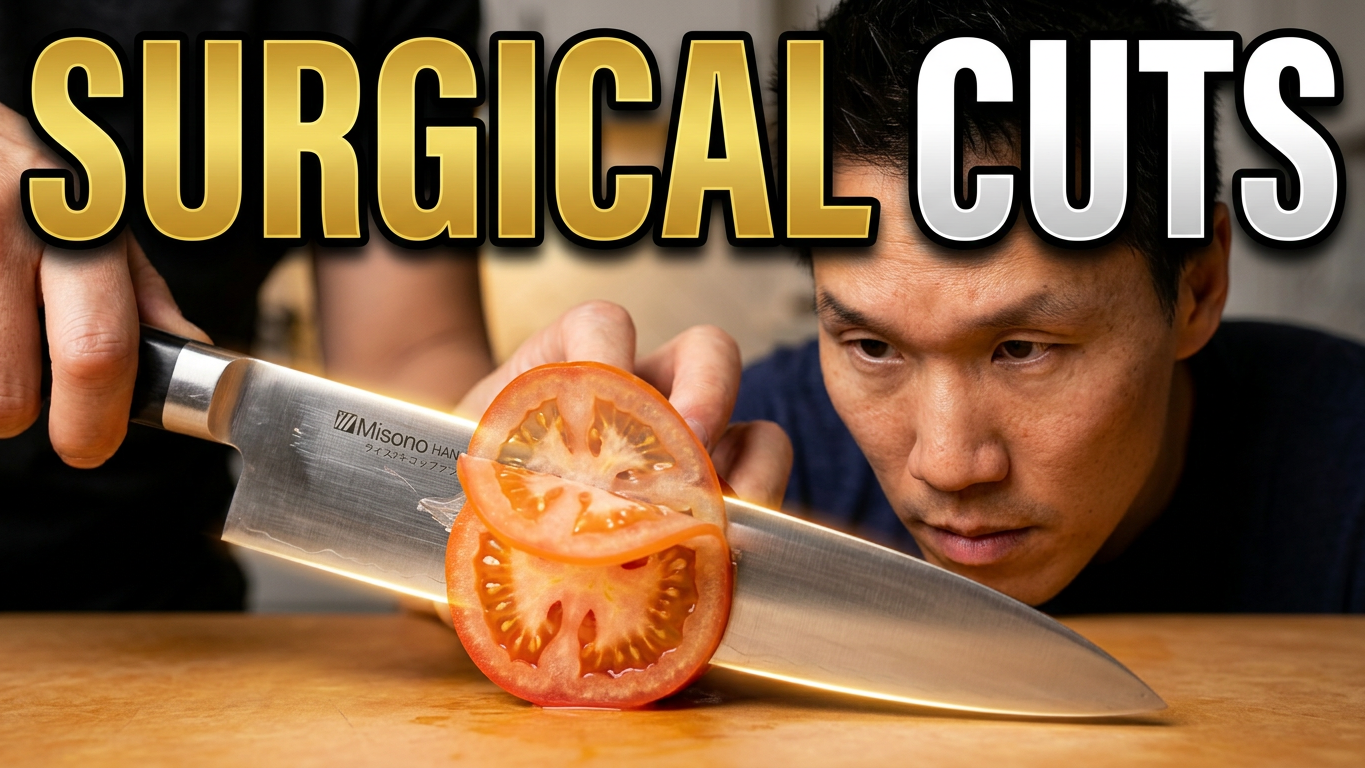
Decoding Misono: UX10 vs. 440 vs. Molybdenum (Complete Buying Guide)
Walk into any commercial kitchen in Japan, and you will likely see a Misono on the cutting board. But with four distinct model lines ranging from entry-level Molybdenum to the flagship UX10, which one actually deserves a spot on your bench? We break down the metallurgy, the aggressive 70/30 edge geometry, and the hidden ergonomic compromises of Japan's most popular Western-style cutlery.
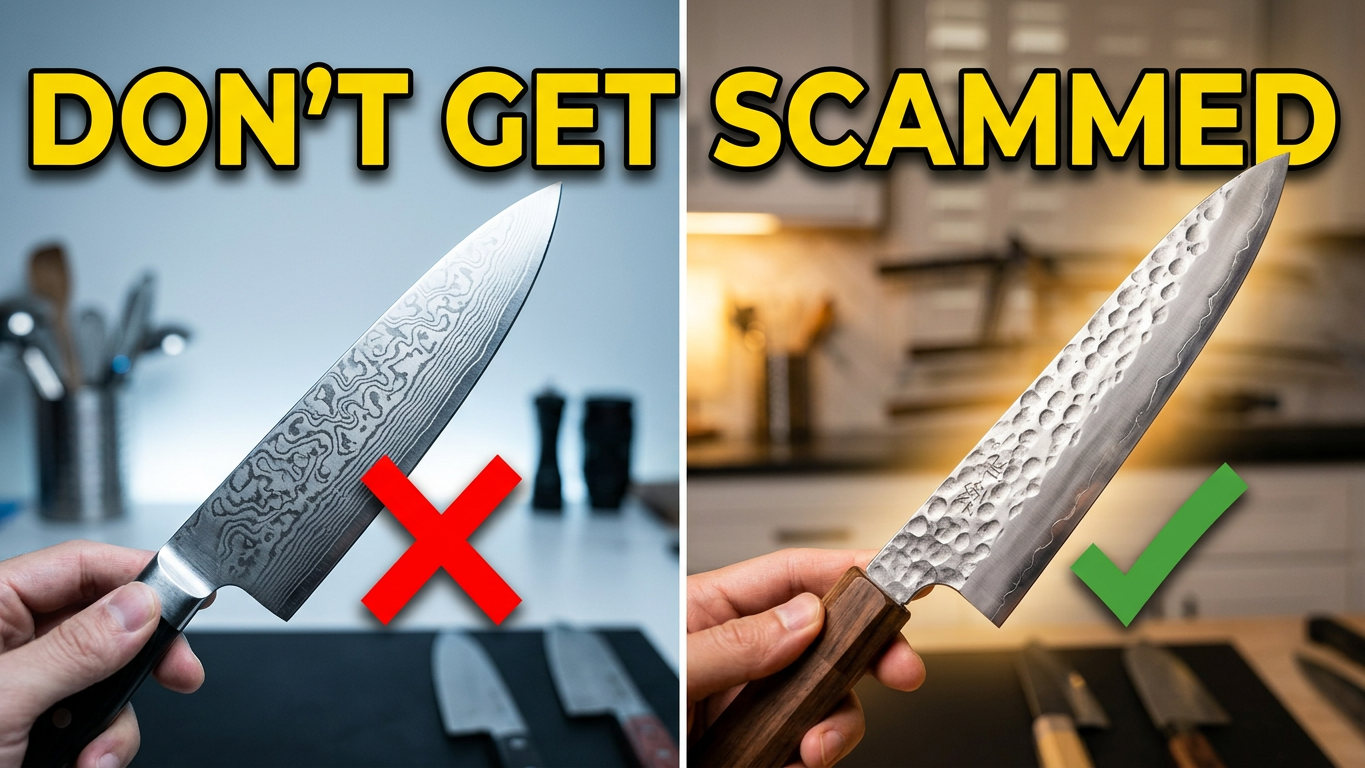
5 Knives You Should Never Buy: Steel Metallurgy, Origin Myths, and Practical Pitfalls
In an era dominated by hyper-targeted social media ads and high-commission influencer marketing, buying kitchen cutlery has become a minefield. From misleading "Japanese style" OEM rebadging to extreme 70 HRC super-steels that resist standard waterstones, we break down five knives you should never buy—and the metallurgy behind why.

The Sub-$100 Hand-Forged Anomaly: Naru 165mm Aogami #2 Bunka Review
An authentic hand-forged Japanese knife under $100 shouldn't exist in today's market. We test the Naru 165mm Bunka in Aogami #2 steel, examining its Tosa blacksmith roots, distal taper, and cutting geometry.
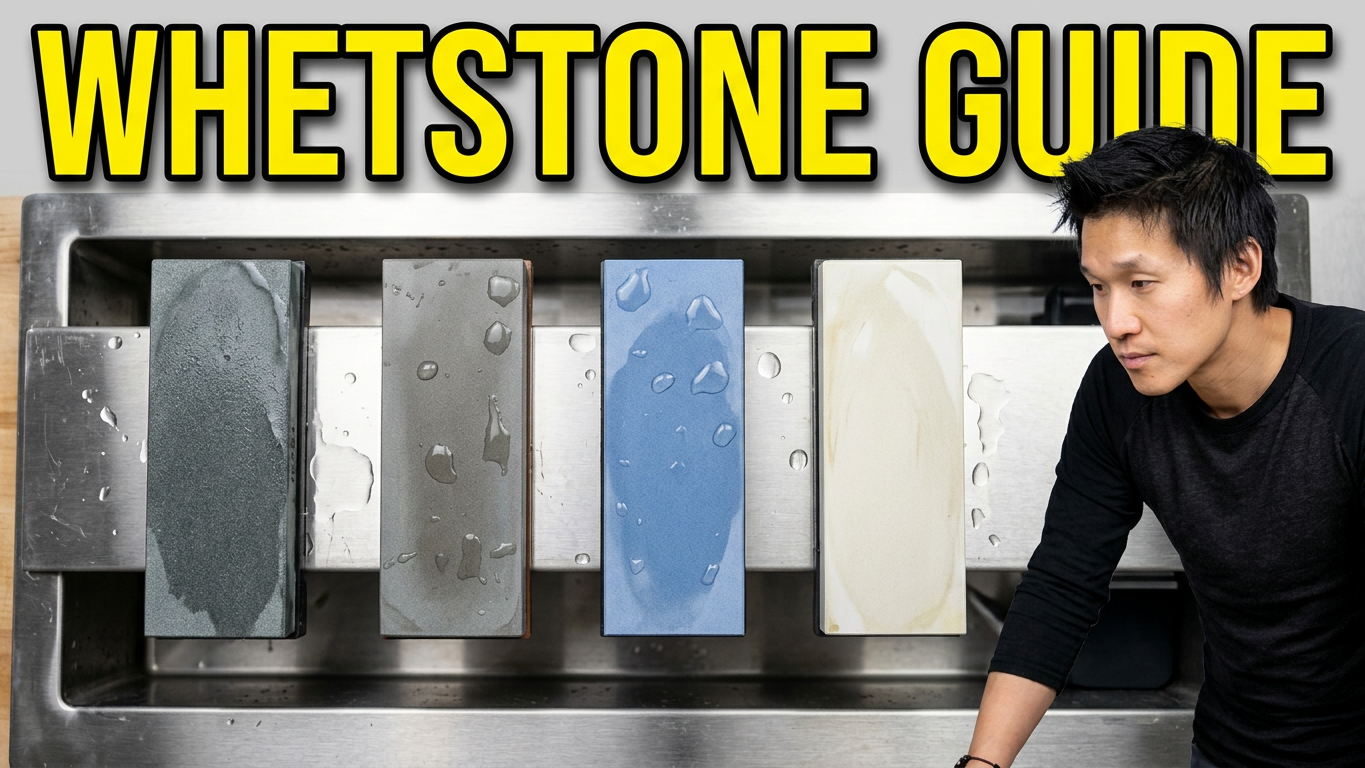
The Comprehensive Whetstone Benchmark: Evaluating 20+ Abrasives from Coarse to 10,000 Grit
An exhaustive benchmark testing 20+ whetstones, ceramics, and diamond plates across seven grit stages. Compare cutting speed, dishing resistance, tactile feedback, and overall value.
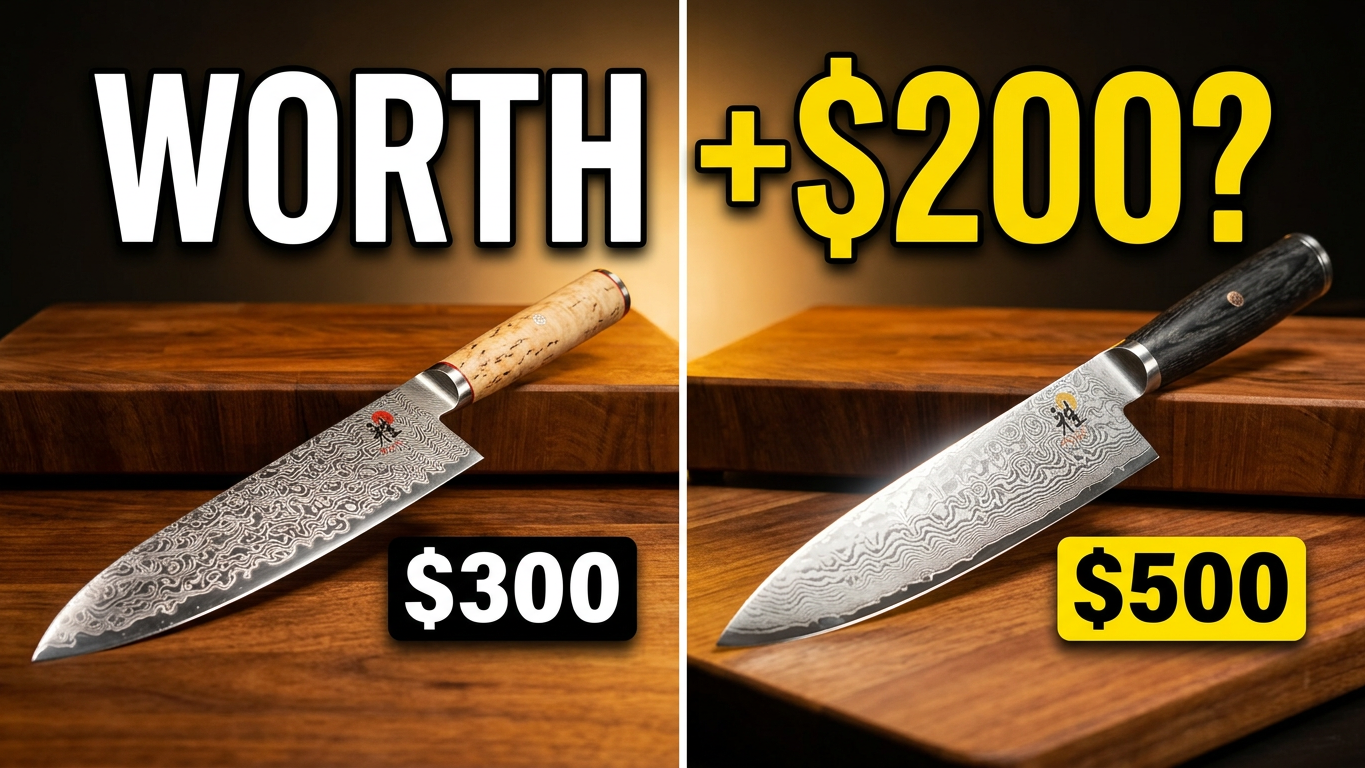
Powder Metallurgy Showdown: Miyabi Birchwood (SG2) vs. Miyabi Black (ZDP-189)
Takefu SG2 at 63 HRC or Hitachi ZDP-189 at 66 HRC? We tested the Miyabi Birchwood against the flagship Miyabi Black across two months of kitchen prep, measuring real-world edge wear, BESS sharpness degradation, and whetstone response.

Solingen Steel on a Budget: Mercer Renaissance vs. Wüsthof Classic Ikon
Wüsthof's Classic Ikon is an undisputed icon of modern German cutlery, but the Mercer Renaissance packs the identical X50CrMoV15 steel, a crowned spine, and a refined half-bolster at a quarter of the price. We analyze geometry, bench testing, and sharpening nuances to find the true value sweet spot.

The $40 Sharpening Gateway: Can a Budget Waterstone Compete with Pro-Grade Glass Ceramics?
Can a $40 budget combination waterstone compete with high-end Shapton or Suehiro glass ceramics? Testing cutting speed, dishing rates, tactile feedback, and overall long-term value.
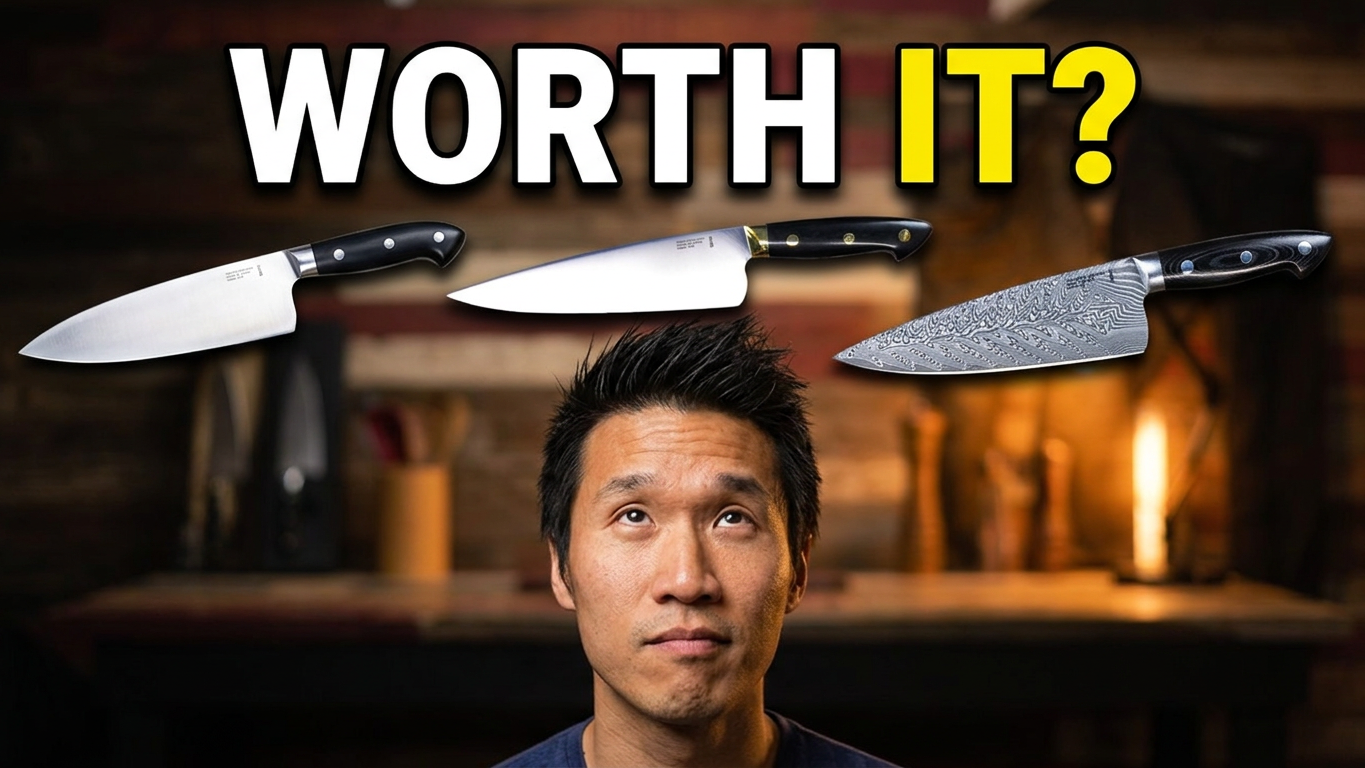
The Kramer x Zwilling Trilogy: Stainless Steel, Pure Carbon, and SG2 Damascus Comparison
A deep analytical shootout comparing the three Bob Kramer x Zwilling Euroline series: FC61 Stainless, 52100 Carbon Steel, and SG2 Microcarbide Damascus. Steel mechanics, maintenance realities, and edge performance.
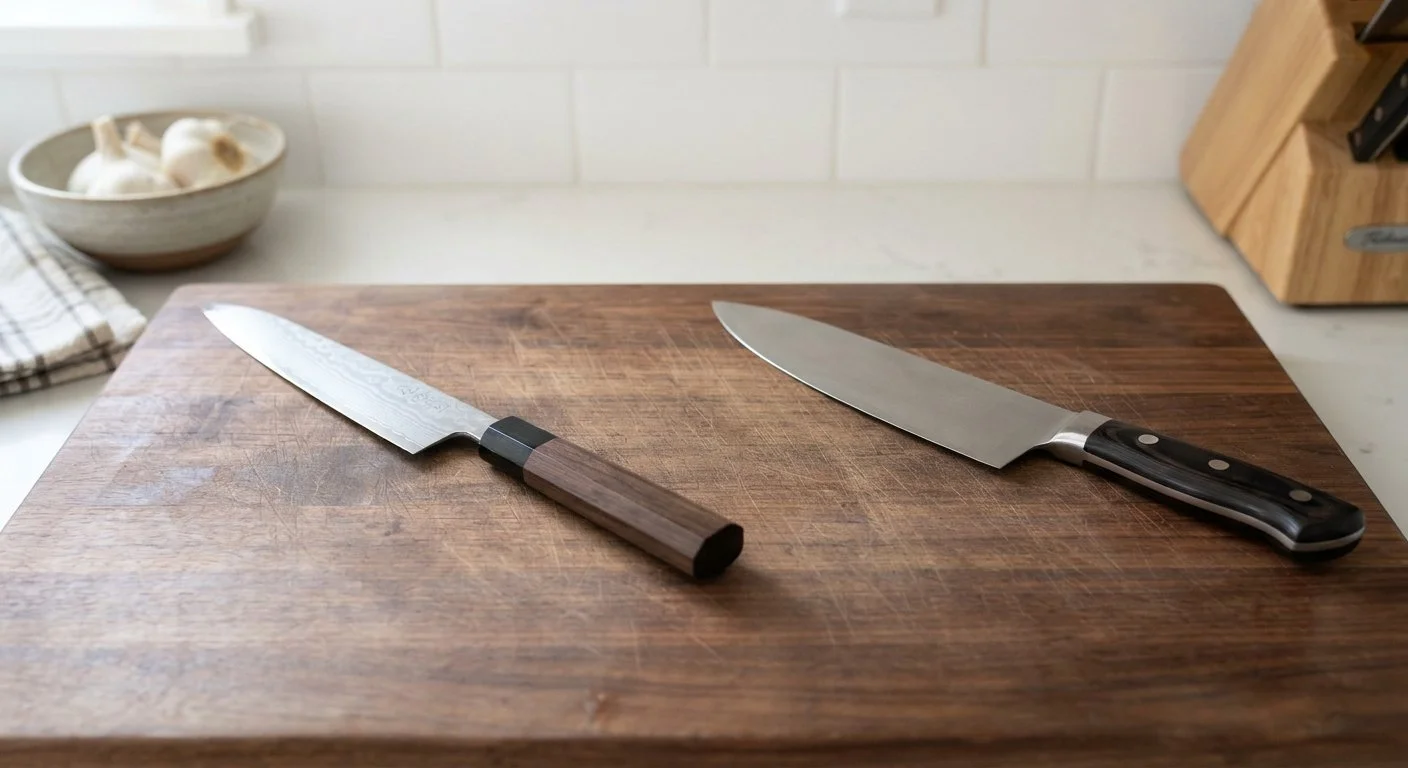
Gyuto vs. Western Chef's Knife: Key Differences Explained
Transitioning from German or Western cutlery? Discover how a lightweight Gyuto with harder steel compares to traditional Western chef's knives.
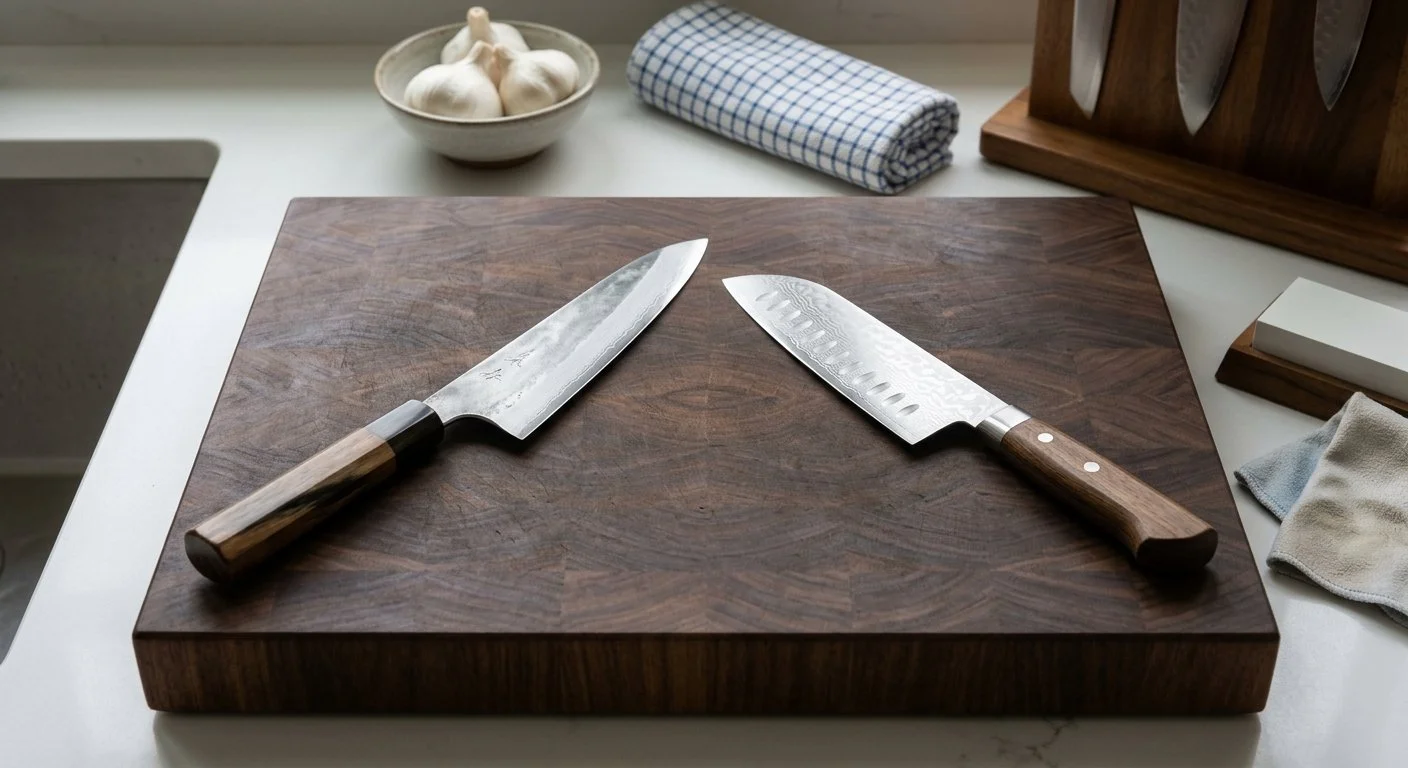
Gyuto vs. Santoku: Geometry, Profile Dynamics, and Edge Performance
Unsure whether to choose a Gyuto or a Santoku? Compare blade shapes, cutting motions, and sizing to find the ideal Japanese knife for your kitchen setup.
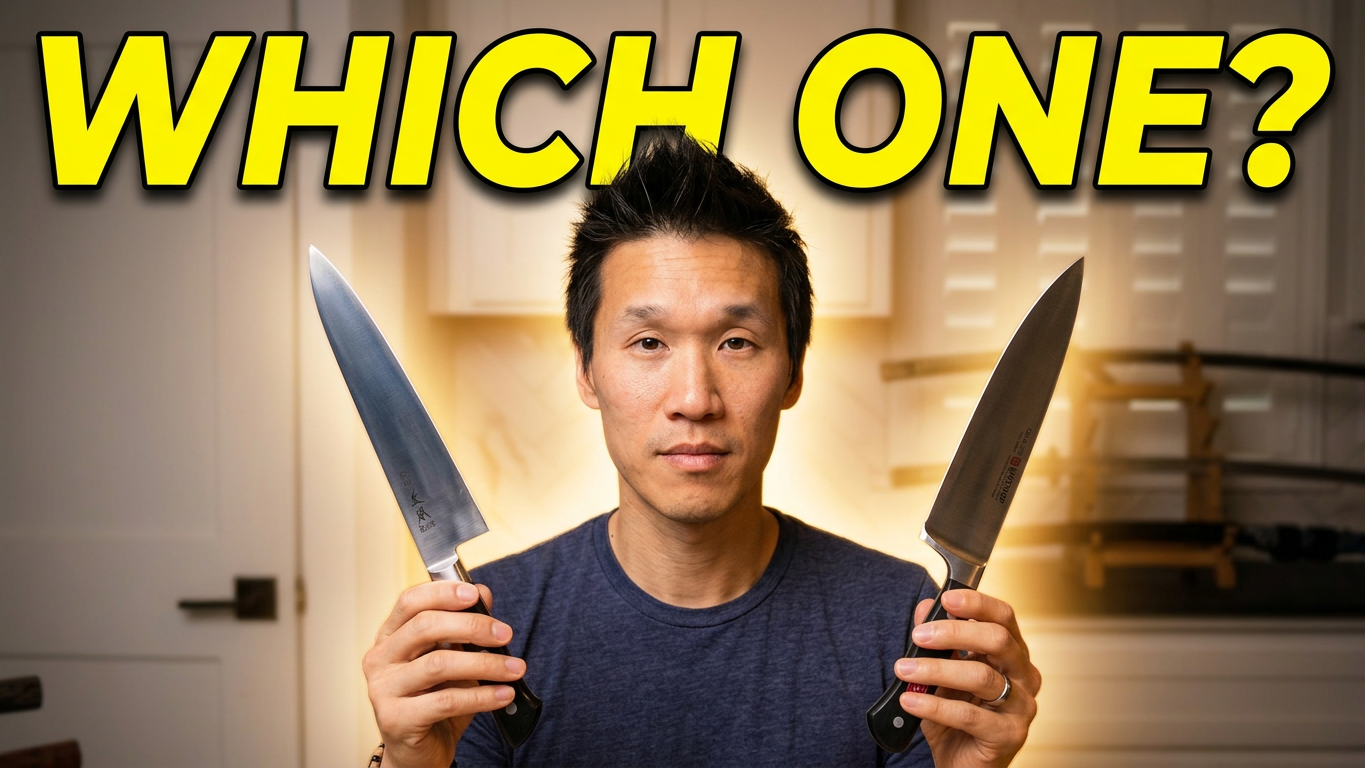
The $160 Kitchen Showdown: Masamoto VG Gyuto vs. Wüsthof Classic Ikon
Masamoto VG 210mm Gyuto vs. Wüsthof Classic Ikon 8-inch Cook's Knife shootout. Testing 59 HRC vs 57 HRC steel mechanics, whetstone maintenance vs ceramic honing, and board profiles.