Can Stropping Replace Sharpening? Reviving a 65 HRC Edge on Leather
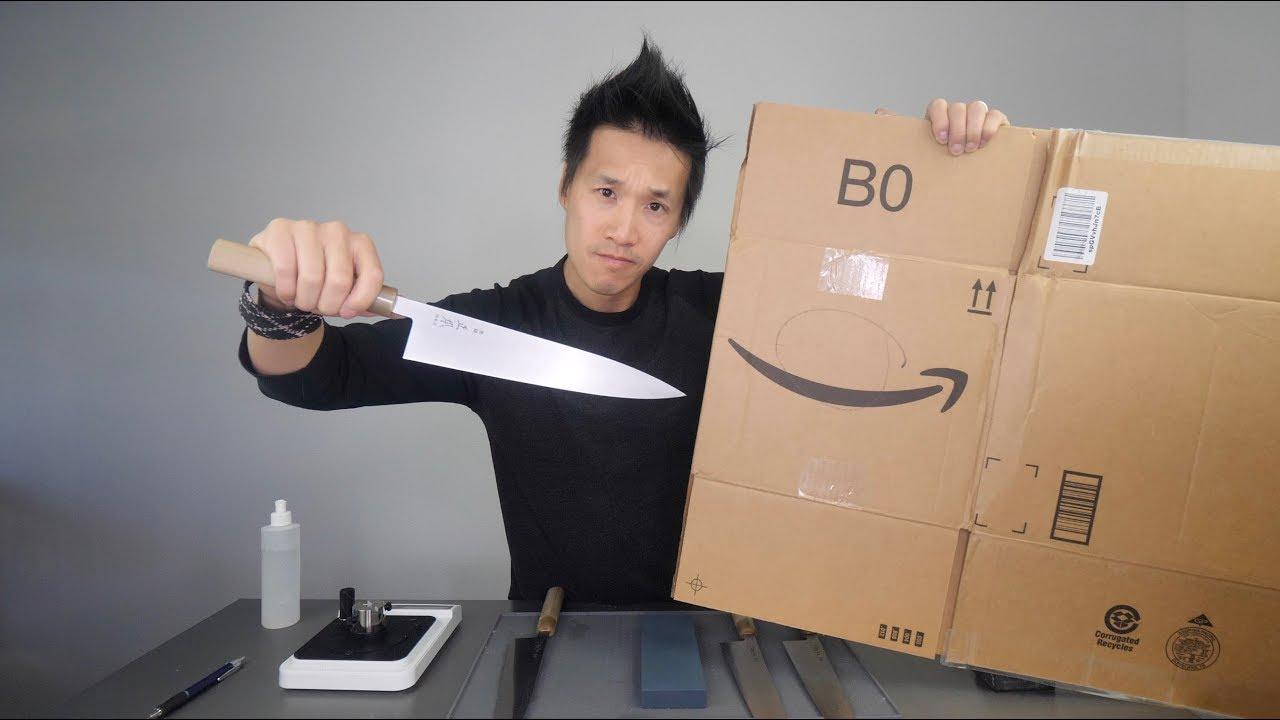
After 1,073 rope cuts, the bottom third of my Akazawa wouldn't cut paper. Two compounds on a rolled-buffalo strop brought it back in about four minutes, no whetstone.
By Burrfection EditorialApril 14, 2018Updated November 24, 20263 min read
This article contains affiliate links: I may earn a commission if you buy through them, at no extra cost to you. How this works

The short version
- Yes, a strop can bring back a dull edge, even on a 64 to 65 HRC knife. Green compound got it about 90 percent back; red finished it.
- About four minutes of stropping replaced a 15 to 20-minute session on 1000, 6000 and 8000-grit stones.
- Still own a 1000-grit stone. Stropping is for maintenance between sharpenings, not a permanent replacement.
The test
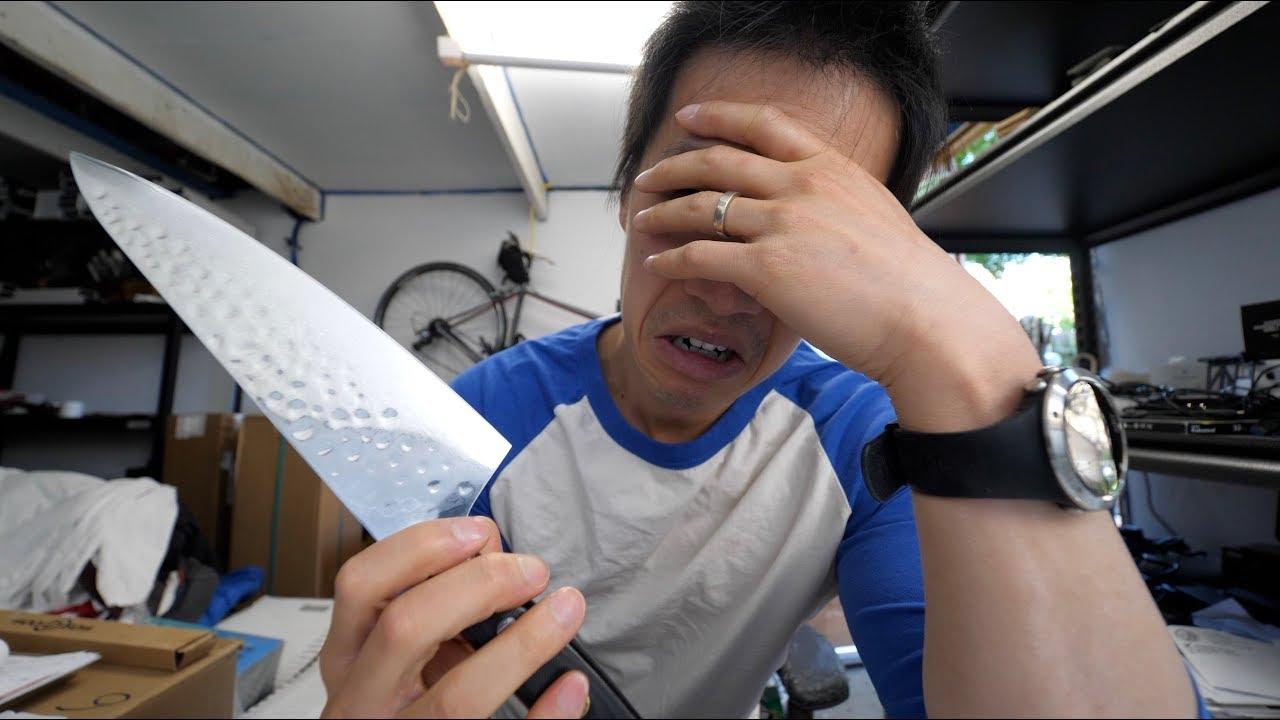
After my rope test, the bottom third of the Akazawa, heat-treated to 64 to 65 HRC, had no edge left; it couldn't cut anything, not even paper (0:32). I normally strop my knives at home every three or four days, but this edge was like a knife that hadn't been touched in months (0:52). Could a strop bring it back to life on its own? My first compound, Herold's green, is about 6,000 grit (1:13).
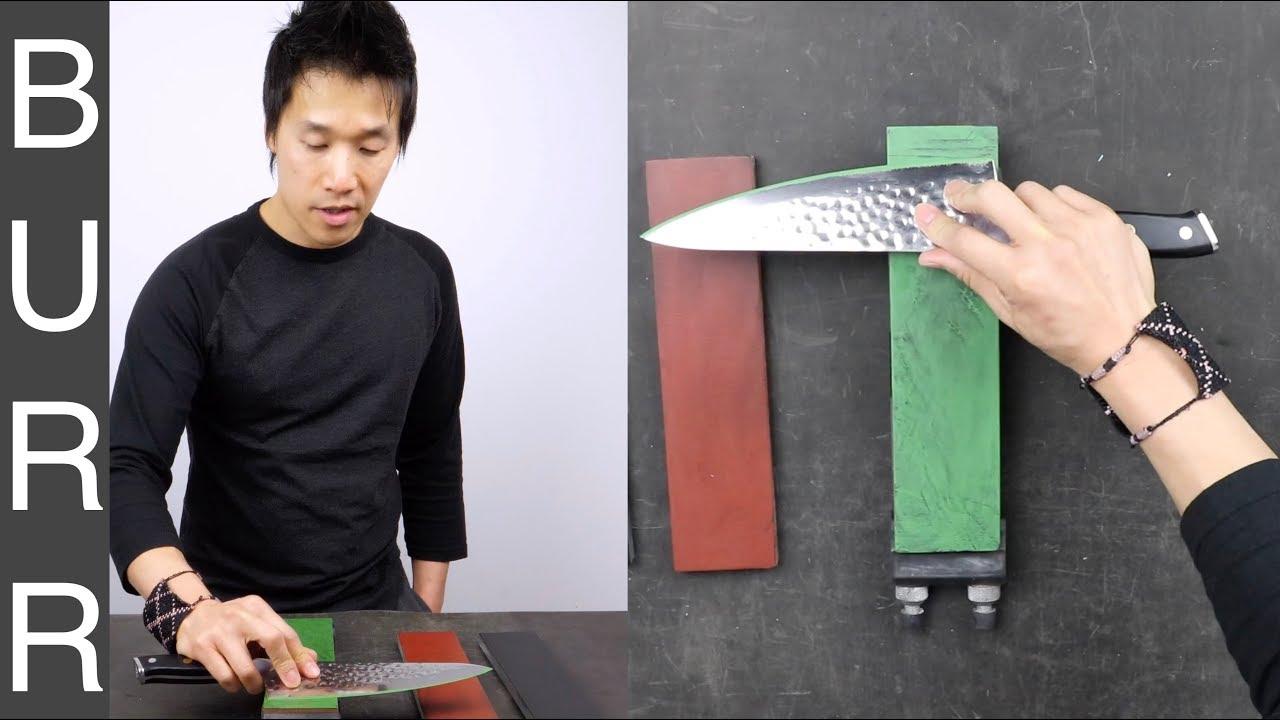
For the strop, I put some legs on one of my plates and used rolled buffalo leather. Rolled buffalo is very dense, and its surface doesn't absorb compound (1:34). Before stropping, the top half of the edge was razor sharp, just as it came out of the box; the bottom half wouldn't cut anything (2:37).
Round one: green compound
I loaded the strop with Herold's green compound (2:16). Then I counted down: about eight to ten strokes per side, two fewer every time I turned the knife, and at one stroke I went back and forth 10 or 15 times per side (2:58). One tip: let fresh compound dry before you use it, or it sticks to the blade and gets messy. After that, the edge was about 90 percent back to life (3:19).
Round two: red compound
Then I moved to a second strop with Herold's red, rated up to about 9,000 grit, give or take (3:40). I went 15 to 20 single strokes per side with no pressure at all, just letting the knife do the work (4:02). After cleaning off the knife, the bottom half of the edge was extremely clean, probably as clean as the top half (4:24).
What it tells us
That saved me a full sharpening session from 1000 grit up through 6000 and 8000. With a really good leather and proper technique, you can bring a knife back to life without touching a stone (4:44). That's not to say you shouldn't own a whetstone: you definitely want a 1000-grit stone for long-term upkeep (5:04). But I hadn't expected this on a 65 HRC knife; I'd guessed it would take much longer or the steel would simply be too hard to strop (5:45). Instead of 15 to 20 minutes on stones, it took two or three minutes on the green and about a minute on the red (6:05).
To keep a loaded strop working, add a dab of mineral oil every few sessions. It lifts fresh compound to the surface and buries the load-up, keeping the strop clean (7:29), and you can go about a dozen uses before reloading (7:49).
Bottom line
A good, dense strop and two compounds revived a 65 HRC edge that wouldn't cut paper, in a few minutes. Strop between sharpenings to save time, and keep a 1000-grit stone for when the edge really needs it. For technique, see how to strop a knife and how to keep your knives sharp every day, and for a strop, the leather strops at the Burrfection Store.
First access
Private drops, new knives and sales
Get them from Burrfection and our retail partners before anyone else. No spam; unsubscribe anytime.
Emails from Burrfection Inc. See privacy.