The Shifting Cutlery Market: Japanese Craftsmanship, German Automation, and the Chinese Influx
The global cutlery industry is undergoing a structural shift. Conversations across the supply chain—from blacksmiths in Sakai and industrial engineers in Solingen to e-commerce entrepreneurs in North America—highlight a single recurring question: Are Chinese cutlery manufacturers systematically capturing market share from traditional Japanese and German strongholds?
To understand where the market is heading, we must evaluate how each manufacturing region operates, how they treat raw materials, and how four distinct consumer tiers respond to those strategies.
Disclosure: As an Amazon Associate, I earn from qualifying purchases.
The Three Cutlery Pillars: A Manufacturing Breakdown
[JAPAN] ---> Specialized Passion & Steel Mastery (Hand Finish / Micro-Batches)
[GERMANY] ---> High-Volume Automation & Single-Steel Standardization
[CHINA] ---> Extreme Agility, Scalable Production & Value-Tier Dominance
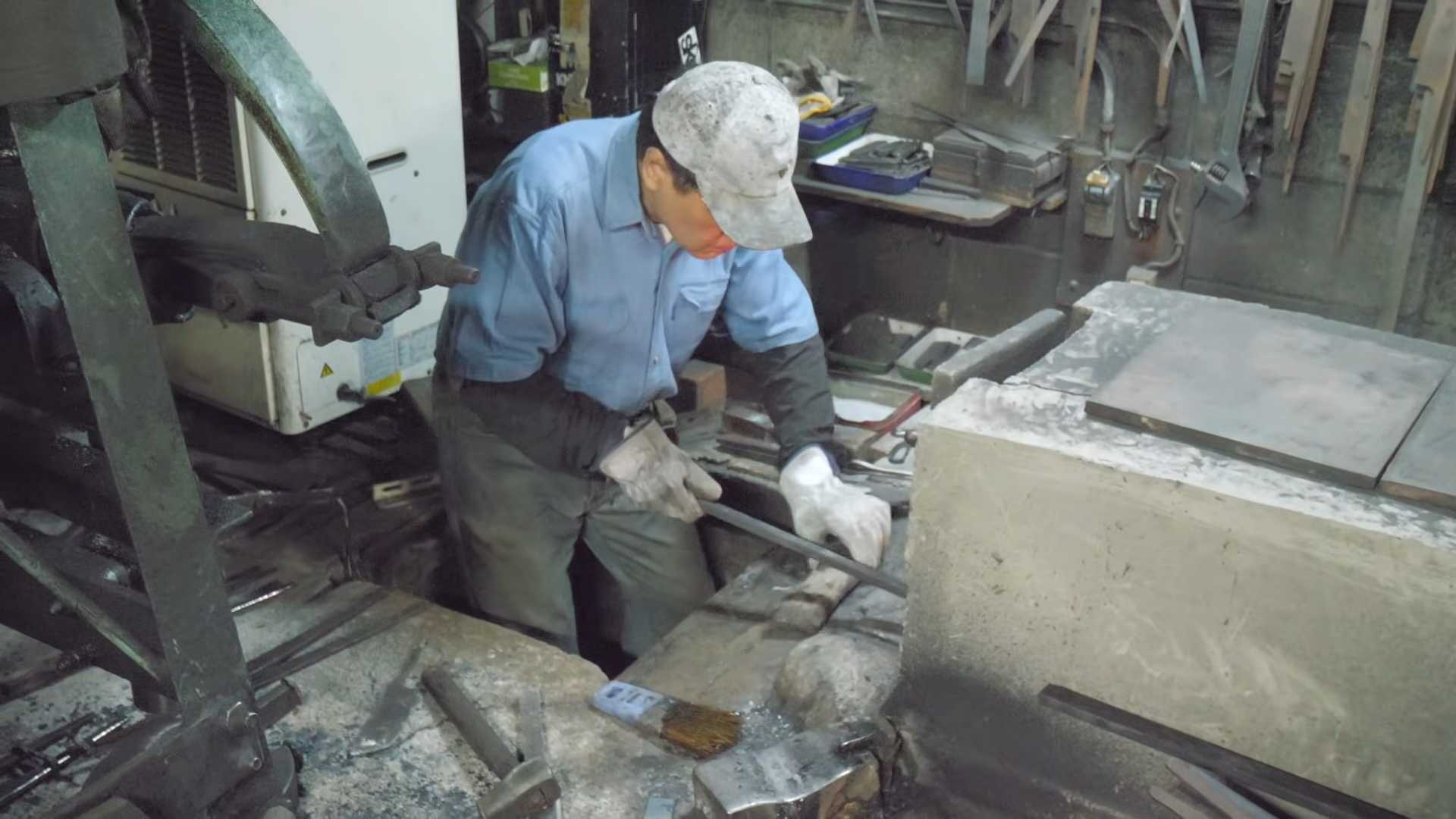
Knife Maker from Sakai Takayuki
1. Japan: Specialized Mastery and Steel Perfection
Japanese knife making is defined by heritage, localized regional specialization (e.g., Seki, Sakai, Tosa), and an uncompromising focus on heat treatment.
Focused Steel Metallurgy: Rather than constantly changing alloys, Japanese manufacturers specialize in perfecting heat-treatment profiles for a handful of proven steels—primarily VG10, SG2 (R2), Blue Super, White Paper steel, and proprietary chromoly blends.
Generational Steel Development: Metallurgical innovation in Japan moves at a deliberate pace. For instance, Takefu Special Steel's popular SG2 powder metallurgy formulation represents decades of continuous refinement. Master blacksmiths prioritize perfection over rapid commercial release.
Craftsmanship-Driven Scale: Japanese facilities rely heavily on skilled human labor, whether an artisan hand-forging three blades a day or a specialized workshop finishing a few hundred units. Production capacity is naturally constrained by the time required to train skilled craftsmen.
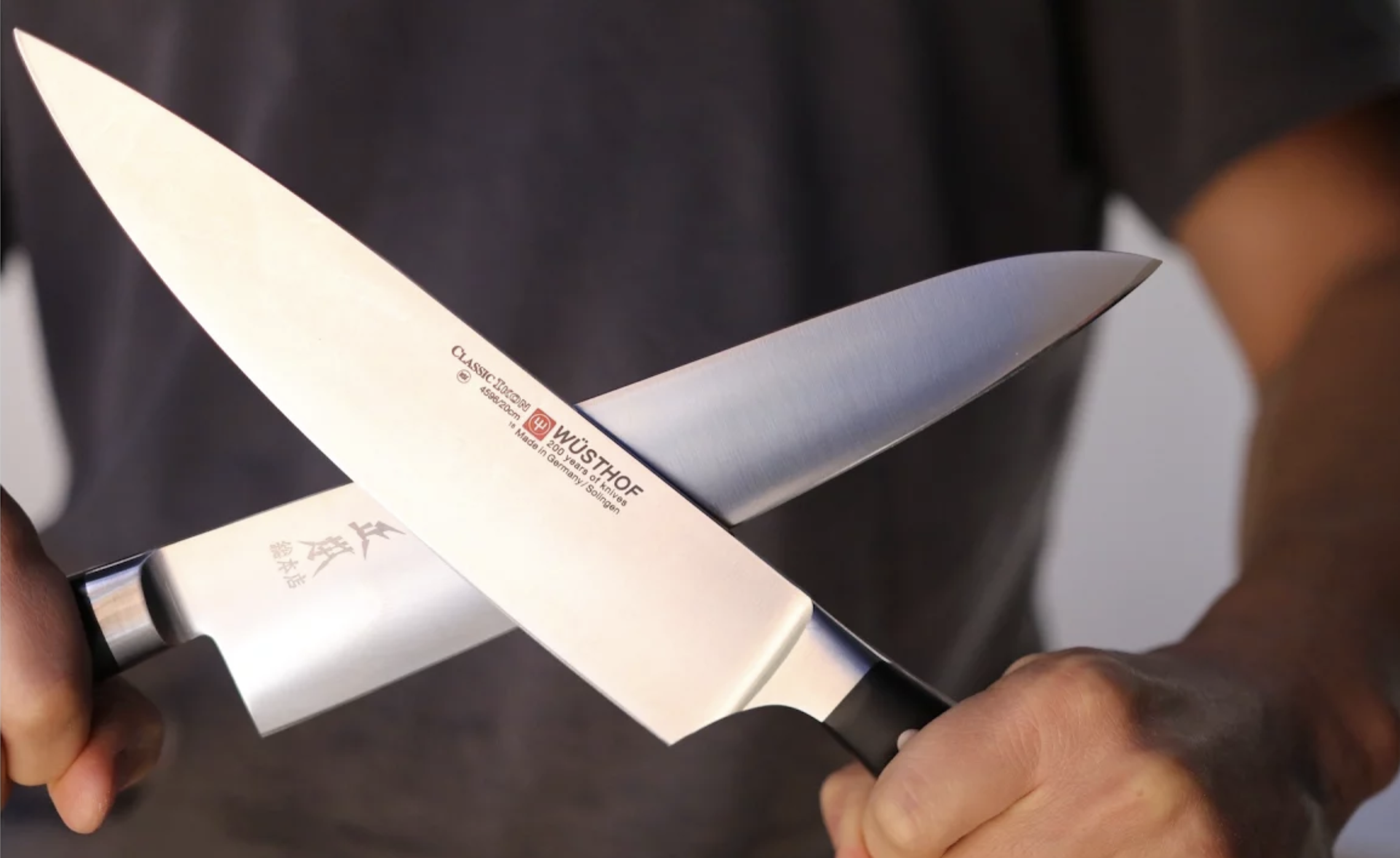
2. Germany:
Precision Automation and Predictability
German cutlery relies on industrial scale, mechanical precision, and strict manufacturing standards.
Single-Steel Standardization: Major German brands largely standardize production around a proven stainless alloy (such as X50CrMoV15). This allows manufacturers to optimize automated heat treatment and blanking across various product lines.
Automated Efficiency: Production processes—from drop-forging and grinding to beveling—are heavily automated. This keeps quality control consistent across millions of units while minimizing overhead costs.
The Drawback: While German blades are durable, accessible, and forgiving on honing steels, the refusal to explore higher-hardness powder metallurgy or alternative blade profiles can leave product catalogs feeling conservative over time.
3. China: Rapid Adaptation and Infinite Production Scale
China’s cutlery manufacturing sector has evolved from an OEM supply chain for Western brands into an agile, direct-to-consumer force.
Fluid Production & Scalability: Chinese facilities adapt rapidly to emerging market trends. If demand surges from 30,000 to 200,000 units, Chinese supply chains scale labor and tooling swiftly to meet volume requirements.
Entrepreneurial Ecosystem: By opening manufacturing capacity to international brands and direct-to-consumer startups, Chinese factories power a vast array of newly branded culinary lines across major online marketplaces.
Quality Variance: While top-tier Chinese facilities produce high-quality OEM work for major global brands, mass-market white-label production varies widely. Broadly speaking, Japanese production maintains higher baseline quality control for fit and finish at equivalent price points.
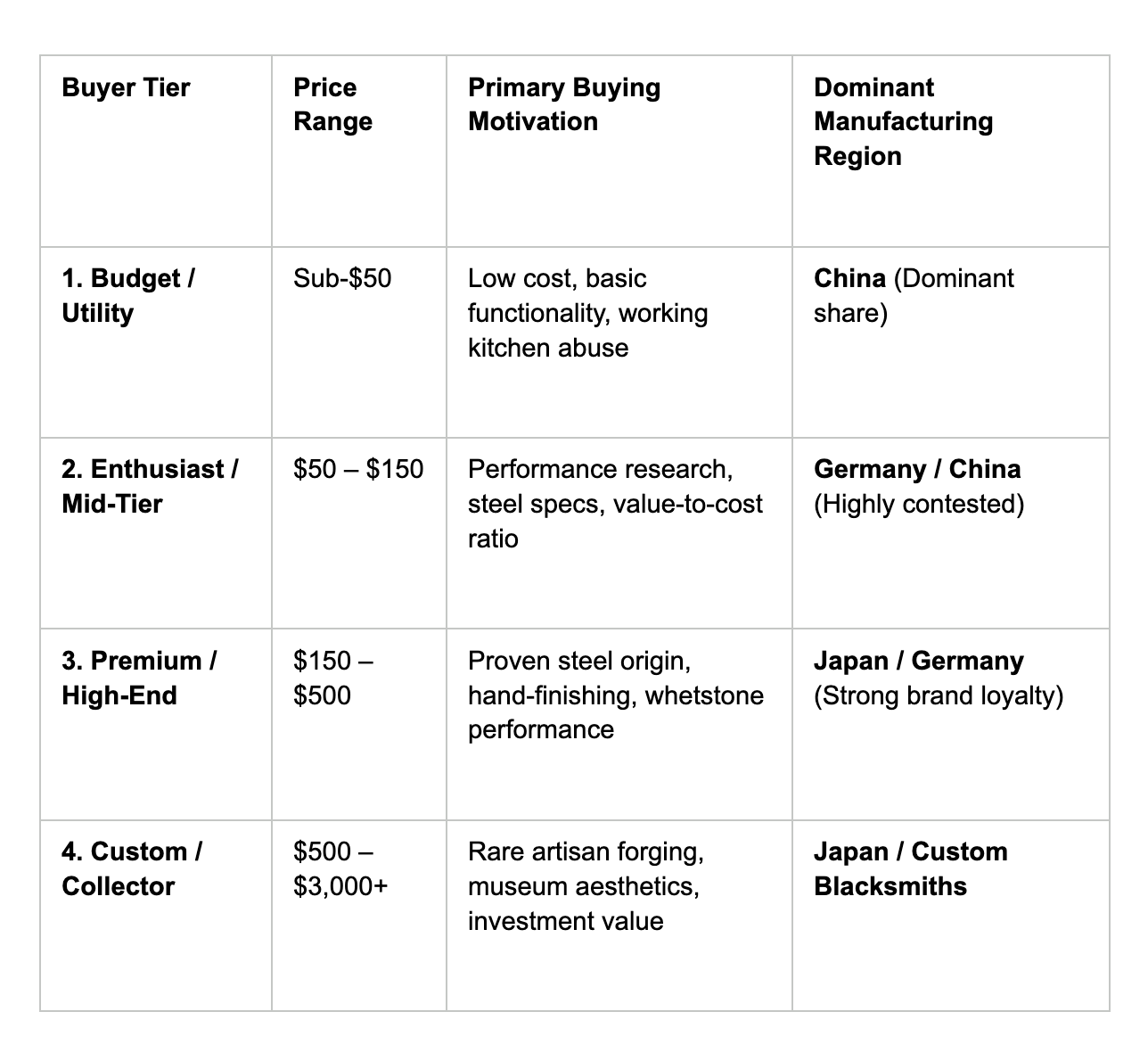
Market Segmentation: The 4 Consumer Tiers
Understanding consumer buying habits clarifies where Chinese manufacturers are succeeding—and where Japanese and German heritage brands remain unchallenged.
The Verdict: Threat or Catalyst?
Japanese vs Chinese and German knives
Are Chinese knives a direct threat to high-end Japanese cutlery? In the premium ($150+) and custom tiers, no.
Discerning knife buyers who maintain their edges on whetstones and seek out specific heat-treat hardness (61–64+ HRC) continue to prioritize authentic Japanese provenance and German structural durability. Marketing claims surrounding imported white-label blades fail to sway informed collectors at the top end of the market.
However, in the mid-tier ($50 to $150) sector, agile international brands utilizing Chinese manufacturing are eating into traditional market share. They offer modern aesthetic designs, eye-catching packaging, and aggressive direct-to-consumer pricing that challenges older, slower-moving Western catalogs.
Ultimately, this pressure serves as a long-overdue catalyst for the industry. To remain competitive, heritage European and Japanese manufacturers must avoid complacency—expanding accessibility, refining cost structures, and embracing new metallurgical designs without sacrificing the hand-finished craftsmanship that built their reputations.