Do Micro-Bevels Work? Single vs. Double Micro-Bevel Edge Test
Three knives, three edges: plain, a single micro-bevel and a double micro-bevel, measured on a sharpness tester through 50 rope cuts. A micro-bevel won't make a knife sharper.
By Ryky TranOctober 6, 2018Updated November 24, 20262 min read
This article contains affiliate links: I may earn a commission if you buy through them, at no extra cost to you. How this works

The short version
- A micro-bevel won't make your knife sharper. The plain edge started sharpest, and the single micro-bevel was within about 2 percent of it after 50 cuts.
- It may help the edge fade more gradually. The single micro-bevel's sharpness dropped in a steadier line.
- Skip the double micro-bevel. It gave the worst sharpness and edge retention. If your edges are sharp and don't chip, you don't need a micro-bevel at all.
The claims, and the test
People say micro-bevels improve sharpness, edge retention or chip resistance (0:00). A quick caveat: my tests don't replace the real experience of chefs and working professionals. A micro-bevel takes the sharpened edge and adds a small extra bevel, on one side or both, at the very cutting edge (0:22).
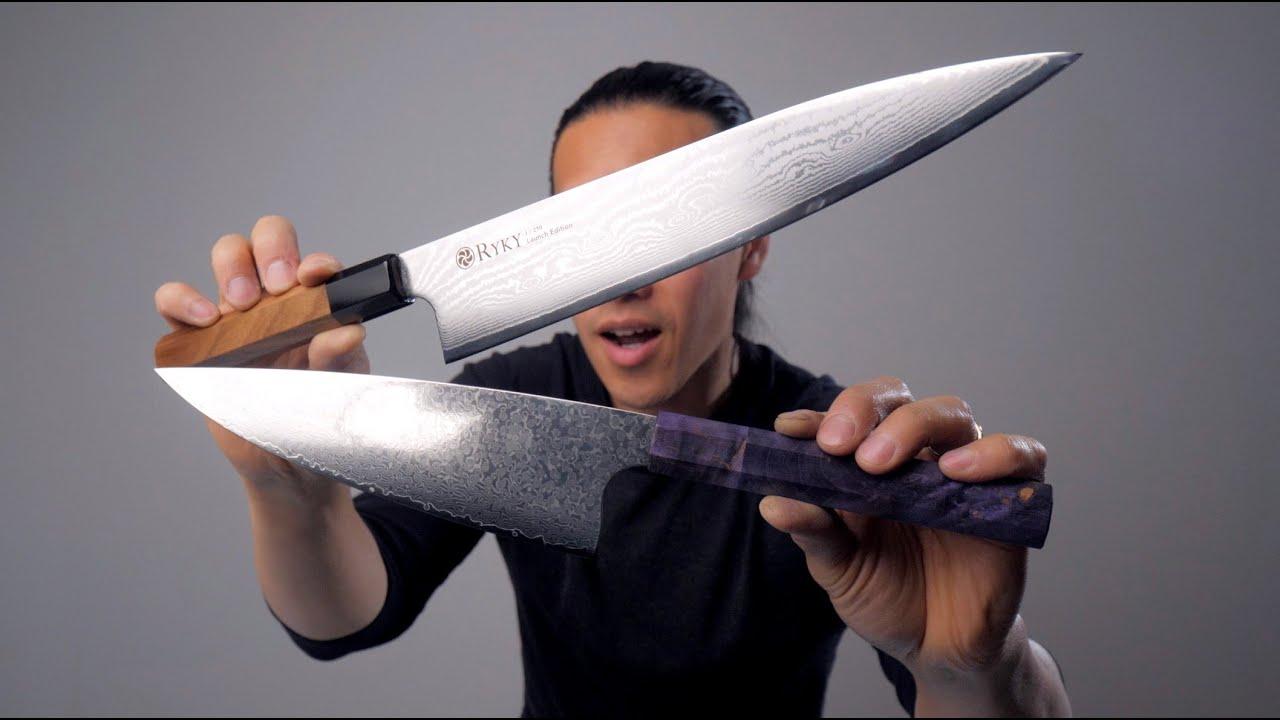
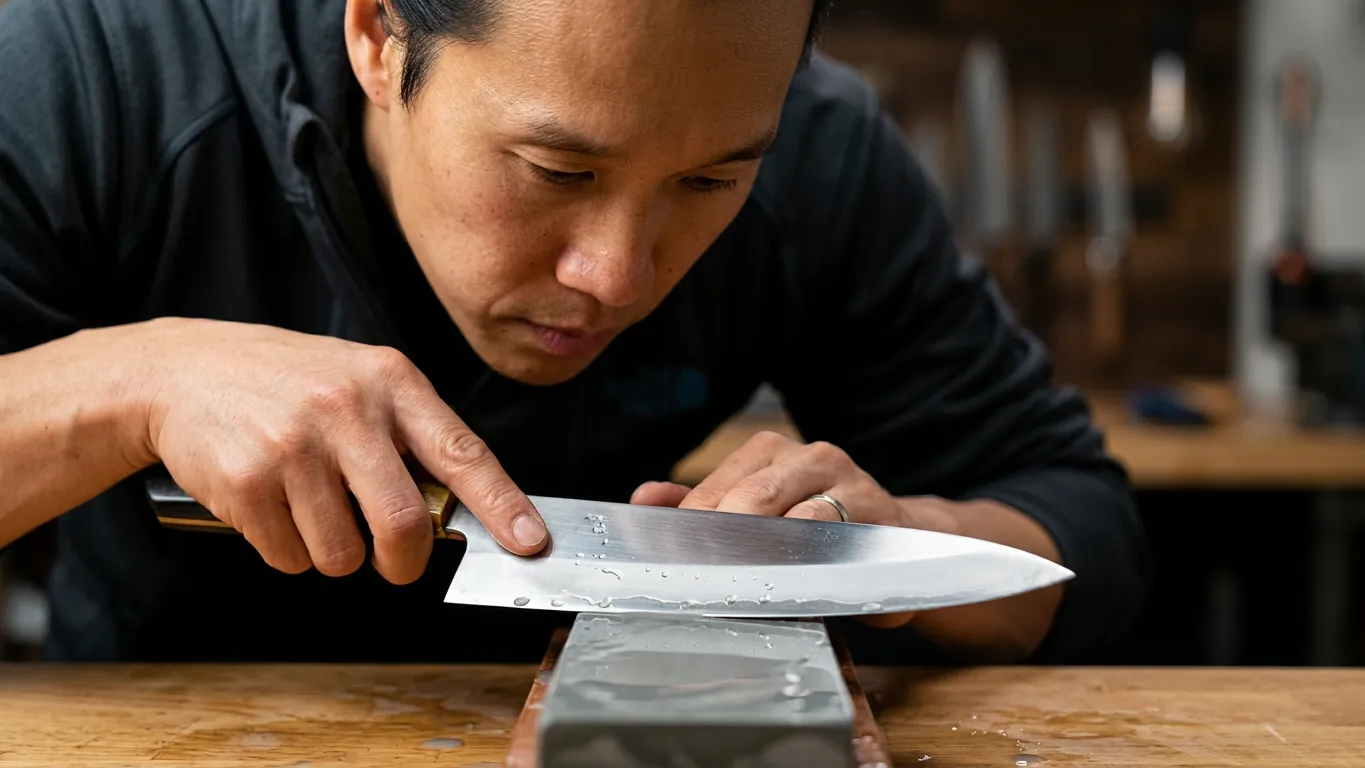
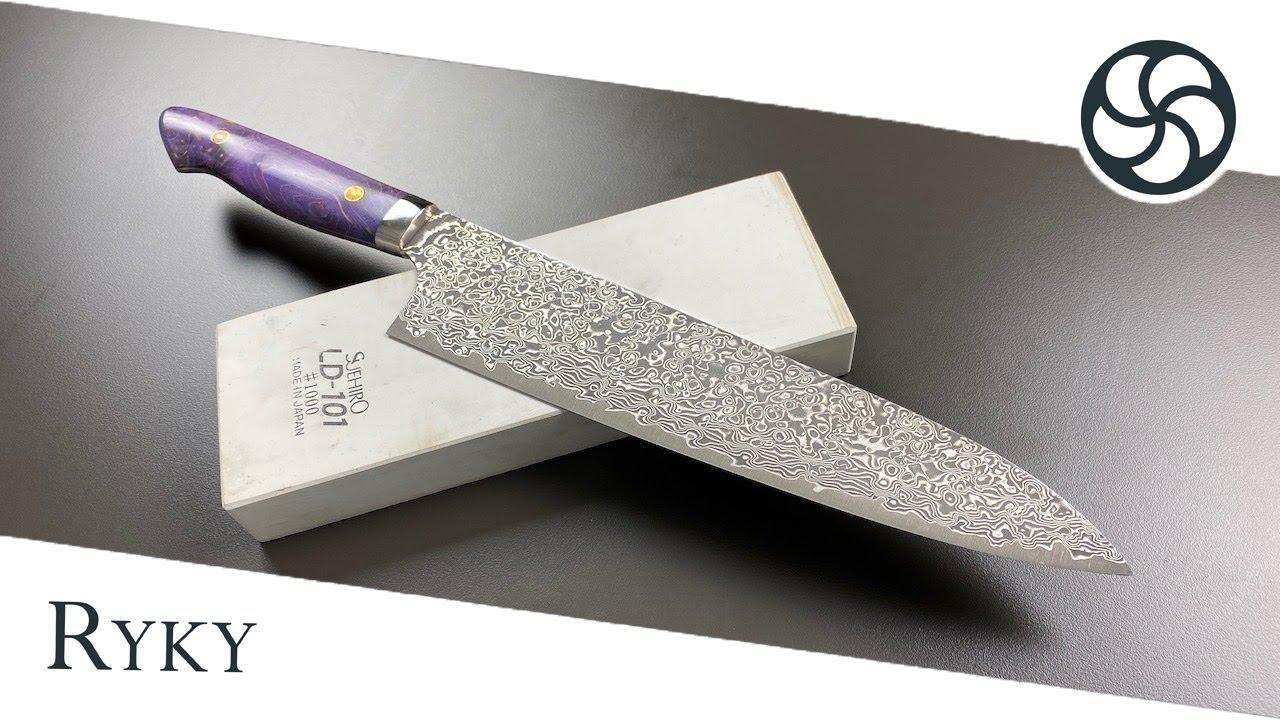
I set up three knives. Knife one had a plain 15 degrees per side. Knife two had a micro-bevel on one side. Knife three had 15 degrees per side plus a 30-degree micro-bevel on each side, for an effective 60 degrees at the micro-bevel (0:45). I sharpened on a Suehiro Debado 1000 and polished on the Debado LD-601, a 4000-grit stone. Off the stones, on my PT50A tester (grams to cut a filament; lower is sharper), knife two scored 234, just over 10 percent less sharp than knife one, and knife three scored 320 (1:09). Each knife then made 50 rope cuts, with a quick test every 10.
The results
Knives one and two were neck and neck the whole way, with no major difference in sharpness or edge retention (1:31). Knife one ended at 374; knife two started at 234 and ended at 390, less than a 2 percent difference (1:51). One detail stood out: knife one lost the most sharpness in its first few cuts, while knife two dulled more steadily (2:14). With 100 cuts, the results might lean toward the micro-bevel, but I can't confirm that.
What it means
I can't confirm that micro-bevels give a tougher edge, but if your knife is set up right, a micro-bevel may help it retain its edge more gradually over the long run (2:55). The double micro-bevel gave the least desirable results in both sharpness and edge retention (3:15); a single one did clearly better (3:36). And if your knives are sharp and you're not having chipping problems, there's no need to set one (3:57). Don't let anyone tell you a knife isn't properly sharpened without a micro-bevel; there's no one way to sharpen a knife or maintain an edge (4:18).
| Edge | Off the stone (PT50A) | After 50 cuts | Dulling pattern |
|---|---|---|---|
| Plain 15° per side | Sharpest | 374 | Biggest drop early |
| Single micro-bevel | 234 (about 10% less sharp) | 390 | Steadier |
| Double micro-bevel | 320 | Worst overall | — |
Bottom line
Micro-bevels don't make a knife sharper. A single one may slow the decline a little; a double one just costs you sharpness. If your edges are fine and don't chip, keep sharpening the way you do. For single-bevel knives, where a micro-bevel is a different story, see how to sharpen a yanagiba, and for stones, my best 1000-grit whetstone picks.
First access
Private drops, new knives and sales
Get them from Burrfection and our retail partners before anyone else. No spam; unsubscribe anytime.
Emails from Burrfection Inc. See privacy.