Whetstone Grit Ratings Explained: Why a 1000 Isn't Always a 1000
Every maker rates grit its own way, some stones finish far finer than their label, and past about 10,000 grit a kitchen knife won't feel any different.
By Burrfection EditorialApril 2, 2018Updated November 24, 20263 min read
This article contains affiliate links: I may earn a commission if you buy through them, at no extra cost to you. How this works

The short version
- Grit numbers aren't universal. Brands are usually within 10 to 20 percent of each other, but a Naniwa Super Stone 1000 polishes like a 3000 to 4000 on other brands.
- The truest 1000 I know is the King 1000. Suehiro's Cerax is on par with its rating; Chosera runs about 10 percent off.
- Past 10,000 grit, you won't feel a difference on a kitchen knife. Home cooks are better served by a 5000 to 8000 polishing stone. Straight razors are another story.
Every brand rates grit its own way
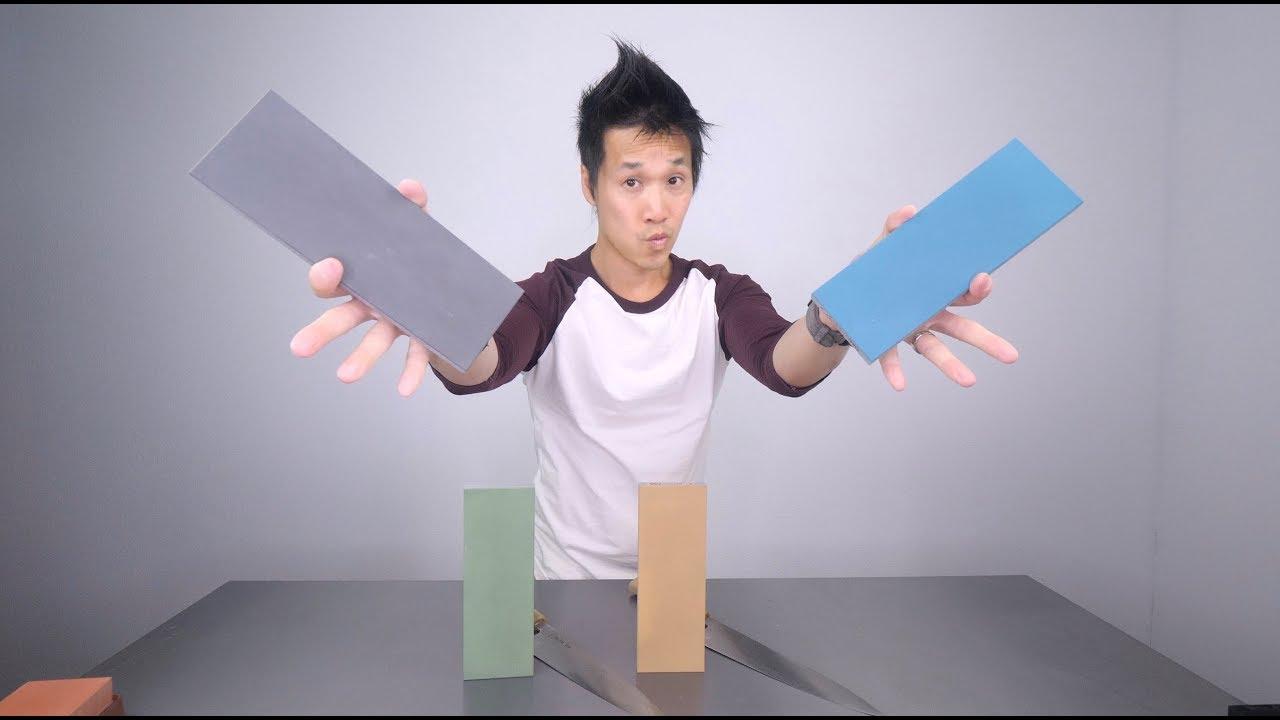
Shapton sells almost every grit from 3000 up to 16,000, even 30,000 (5:21). Most companies don't have the resources for that, so they sell a 1000/6000 or a 1000/5000, and every manufacturer has its own grit rating (5:41). A Naniwa 1000 isn't the same as a Suehiro 1000. The good news is that they're all within about 10 to 20 percent of each other (6:03).
The exception is the Naniwa Super Stone line, which is probably the most deceptive, though not intentionally. A King 1000, on the other hand, is one of the truest 1000-grit stones out there: very clean, a very matte finish, very fast (6:25). The Super Stone 1000 leaves a polish you'd expect from a 3000 to 4000 on most other brands, and it's a very slow-cutting stone, so it's confusing to use (6:45). The Chosera (now the Naniwa Pro line) is off its rating by about 10 percent, which isn't too bad, and the Suehiro Cerax is right on par with its rating (7:06). For which grit ranges do what, see my whetstone grit guide.
Do 12,000 to 30,000-grit stones matter?
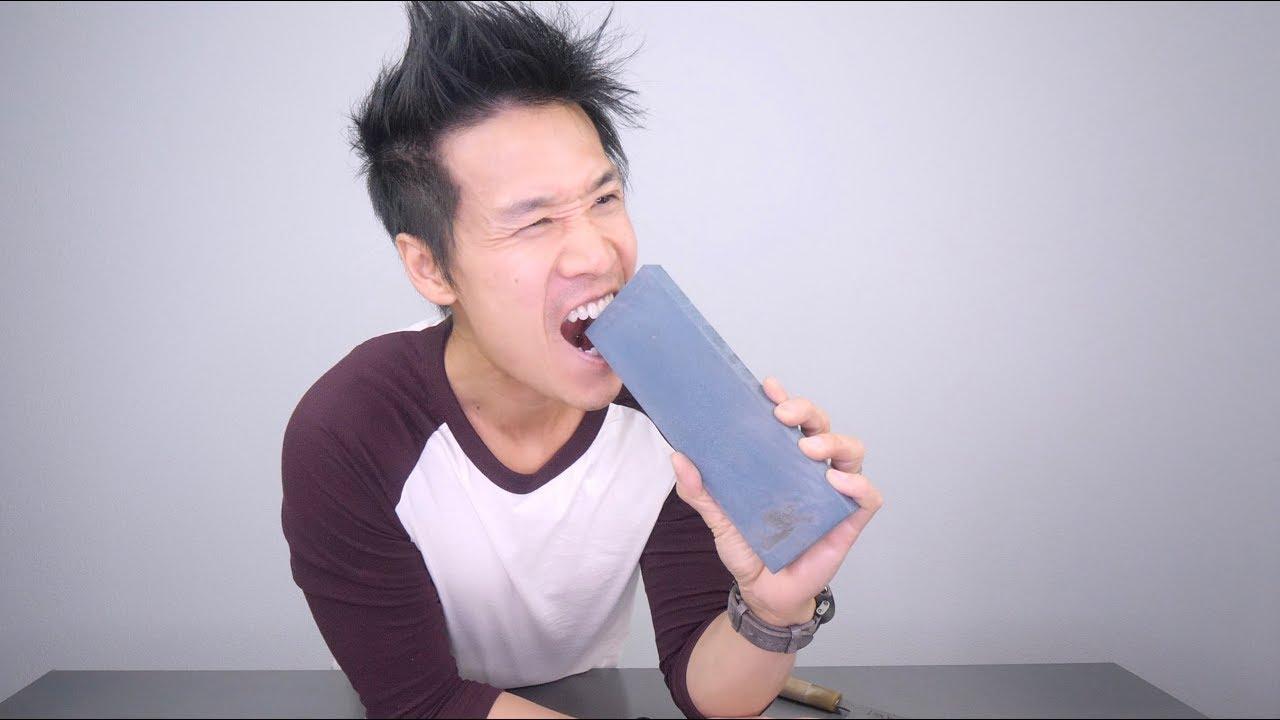
A viewer asked whether very high grits, like a Shapton 30,000, make a noticeable difference (0:20). Realistically, over 10,000 I haven't felt the difference, even on a sushi knife; I think I can feel it up to about 12,000 (0:41). On a $300 to $500 yanagiba, if you're trained and cutting expensive fish that can't be bruised, you might tell a 12,000 or higher apart. For most of us home cooks, myself included, a good-quality 5000 to 6000 polishing stone, or maybe an 8000, is the better buy (1:45). For straight razors, high-grit stones really do make a difference: a 30,000 shaves cleaner than a 12,000. For kitchen knives, especially for home cooks, they don't (2:28). My picks are in the best polishing whetstone guide.
Spend more on the knife than the stone
Another viewer asked about pairing a $70 sharpening stone with a $20 Kuma knife. Don't do it (7:26). It makes zero sense to buy a $70 stone for a $20 knife, unless you plan on buying better knives later (7:47). If you do, go ahead and buy a Chosera or Cerax. But it really should be the other way around: buy the best knife you can, and the cheapest stone that actually gets it sharp (8:29). You use your knife every day; you sharpen far less often (8:51). Save the money, buy a $20 whetstone and spend it on the knife. And if you want a razor-sharp knife every day, a strop will do more for you (9:12).
Bottom line
Treat grit numbers as a rough guide: most brands are within 10 to 20 percent, the King 1000 is about as true as it gets, and Naniwa Super Stones finish much finer than their label. Don't chase 12,000 to 30,000 grit for kitchen knives; a 5000 to 8000 is plenty. And spend your money on the knife first. For the full story, read the great grit lie and expensive knife, cheap stone vs. cheap knife, expensive stone.
First access
Private drops, new knives and sales
Get them from Burrfection and our retail partners before anyone else. No spam; unsubscribe anytime.
Emails from Burrfection Inc. See privacy.