

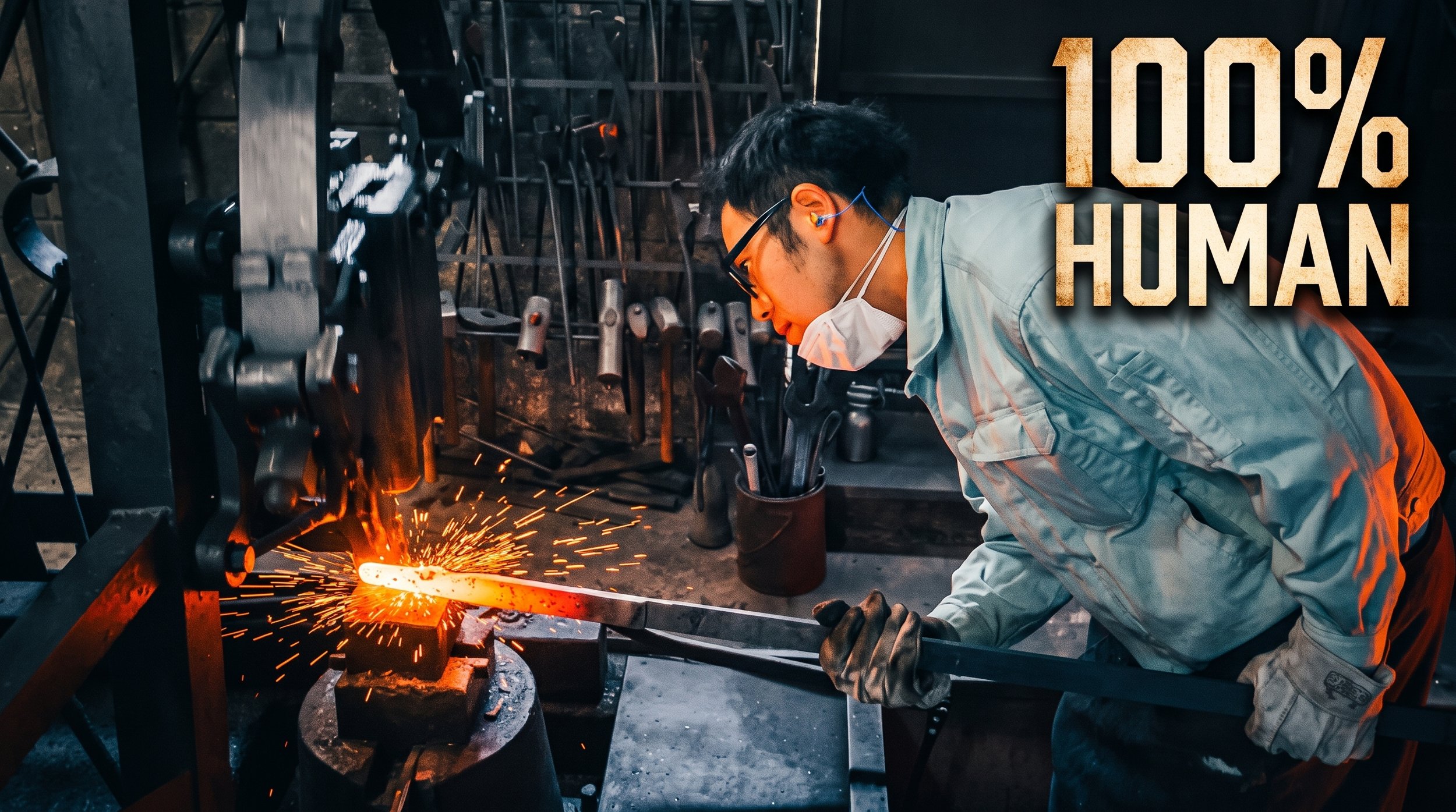
The Future of Japanese Knife Making is Human, Not AI
Robots can stamp out 100,000 blades a month, but they can’t feel a burr on a freshly ground apex or align steel by eye. Step inside Nigara Hamono’s facility to see how scaling human craftsmanship—not AI—is the real future of Japanese cutlery.

The Masamoto KS Phenomenon: Unpacking Cutlery’s Most Elusive White Steel Icon
Why did the Masamoto KS 240mm Gyuto become the most sought-after knife in modern cutlery? We examine the French Sabatier lineage, Hitachi White #2 mono-steel metallurgy, rare blonde horn ferrules, and the supply crisis that made it an icon.

Anatomy of a Cutlery Graveyard: What 100 Damaged Returns Teach Us About Metallurgy and User Error
From severed tips and jar-pried heels to massive edge gouges, unboxing 100 damaged returns reveals why fine cutlery fails. We break down the metallurgy behind brittle fractures, explore why Shun dominates returns, and demonstrate step-by-step bench restoration protocols.

The Reality of Artisan Japanese Knives: Debunking Returns, "Defects," and Factory Myths
From microscopic oxide residue to variations in spine thickness, first-time artisan knife buyers often confuse handmade characteristics with defects. We examine the realities of master-forged cutlery, BESS sharpness expectations, and the vanishing lineage of Japan's smiths.

The Anatomy of a Cutlery Scam: Deconstructing the "Fake Japanese Knife" Funnel
Promoted across mainstream media outlets at "90% off," brands like Damasukasu promise handmade samurai heritage for $50. We expose the syndicated affiliate network, analyze the cheap stamped steel, and break down why these blades fail on the sharpening bench.
Industrial Scale vs. Generational Mastery: Is Chinese Cutlery Really Threatening Solingen and Seki?
Is Chinese cutlery manufacturing actually overtaking traditional German and Japanese knife houses? From factory floors in Seki to automated lines in Solingen and the rapid rise of Yangjiang OEM production, we break down the economics, metallurgy, and sharpening bench realities of modern cutlery.
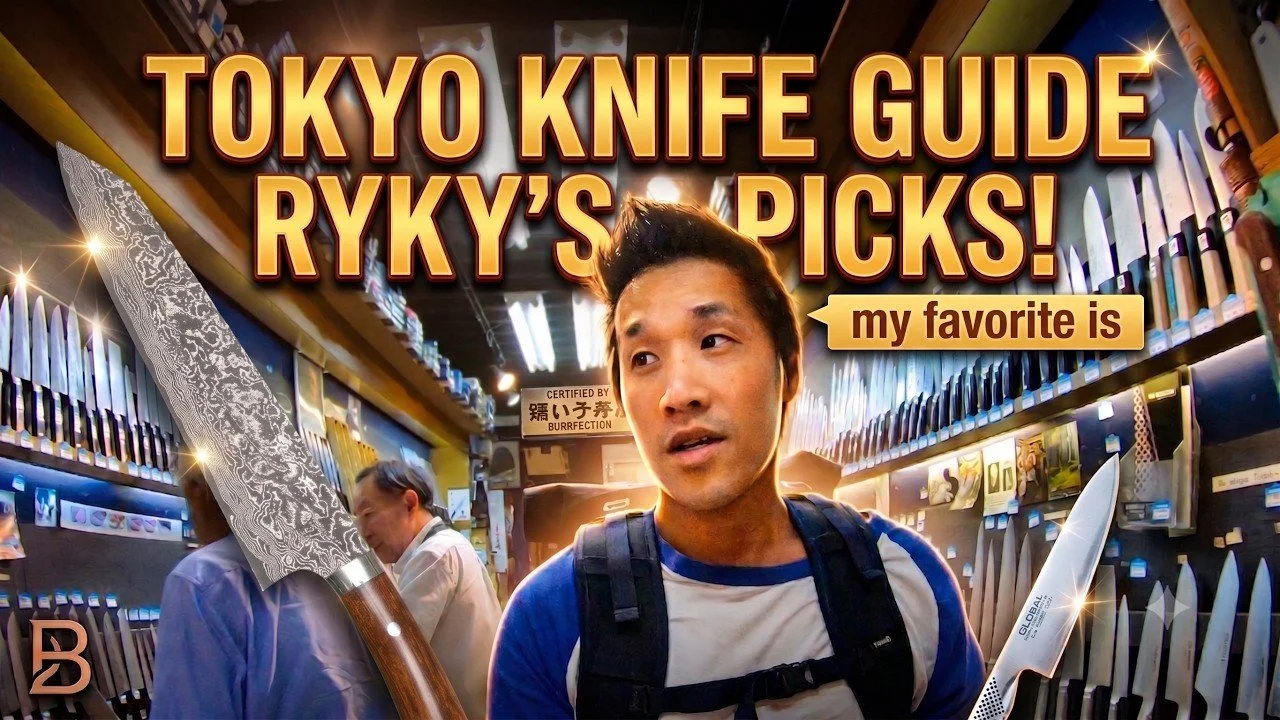
The Tokyo Cutlery Circuit: Navigating Kappabashi, Natural Stone Realities, and the 70 HRC Knife Myth
Walking through Tokyo’s Kappabashi Dougu Street strips away romanticized marketing and reveals the true working mechanics of Japanese cutlery. From bin-sourced wa-handles and $1,600 natural Kyoto quarry stones to our search for a mythical 70 HRC knife at Nihonbashi’s historic Kiya, here is what happens when retail hype meets metallurgical reality.
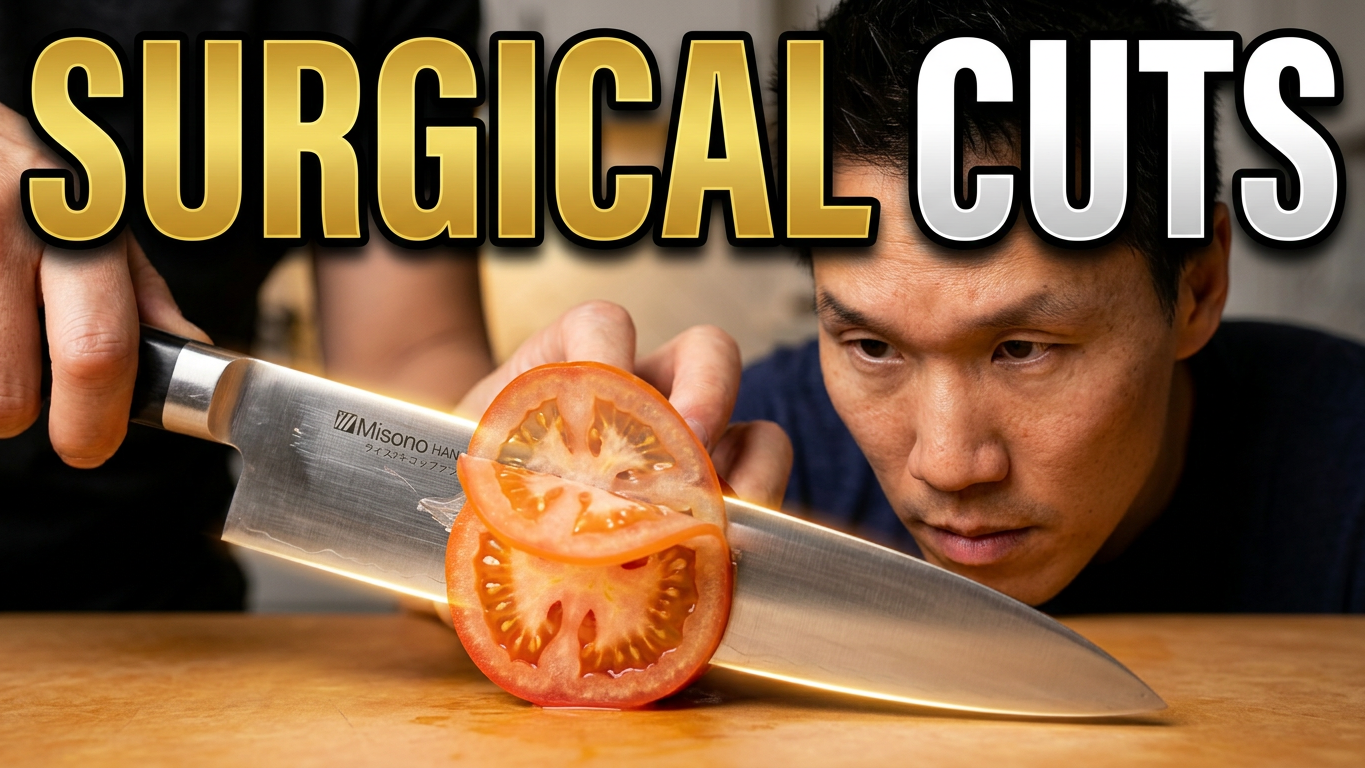
Decoding Misono: UX10 vs. 440 vs. Molybdenum (Complete Buying Guide)
Walk into any commercial kitchen in Japan, and you will likely see a Misono on the cutting board. But with four distinct model lines ranging from entry-level Molybdenum to the flagship UX10, which one actually deserves a spot on your bench? We break down the metallurgy, the aggressive 70/30 edge geometry, and the hidden ergonomic compromises of Japan's most popular Western-style cutlery.
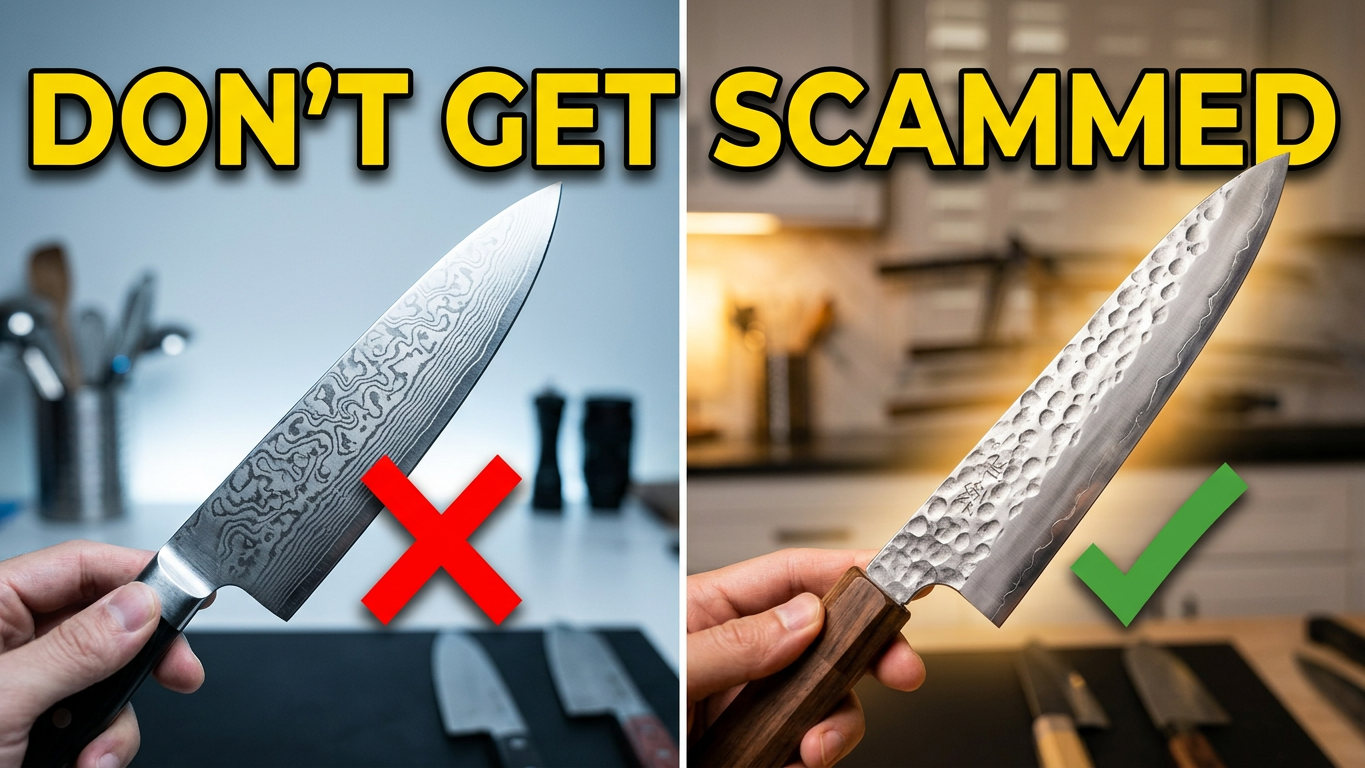
5 Knives You Should Never Buy: Steel Metallurgy, Origin Myths, and Practical Pitfalls
In an era dominated by hyper-targeted social media ads and high-commission influencer marketing, buying kitchen cutlery has become a minefield. From misleading "Japanese style" OEM rebadging to extreme 70 HRC super-steels that resist standard waterstones, we break down five knives you should never buy—and the metallurgy behind why.

Beyond the BESS Scale: The Physics of Ultra-Hard Steel Geometry and Sub-50 Apex Sharpness
Can a knife register an 8g BESS score? We analyze the physics of ultra-hard powder metallurgy (up to 71 HRC), apex keenness versus food separation geometry, and custom hand grinding.
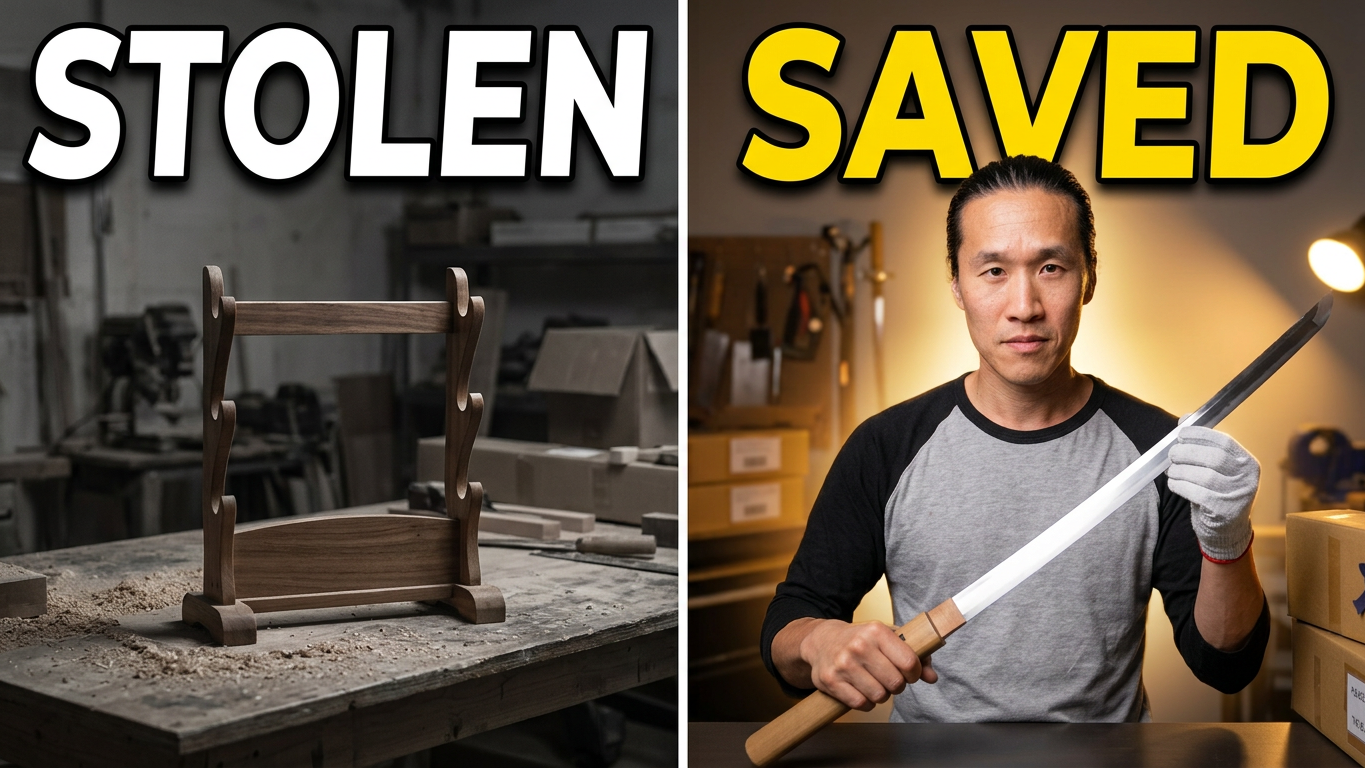
The Art of Togishi: Why I’m Investing $1,000+ in Traditional Japanese Sword Polishing
Why invest over $1,000 in traditional sword polishing gear? Exploring the art of the Togishi, authentic Katana anatomy, migaki-bo burnishing needles, and translating swordcraft to single-bevel kitchen cutlery.

The Shifting Cutlery Market: Japanese Craftsmanship, German Automation, and the Chinese Influx
An analytical overview of the global kitchen knife industry: traditional Japanese hand-craftsmanship vs. automated German engineering vs. the rapid rise of high-value Chinese manufacturing.

The Mantia Edition: Where Olympic Precision Meets Custom Cutlery Engineering
An inside look at the Mantia x Burrfection Edition knife series created with Sabol Brothers. Featuring Böhler N690 stainless steel, pure white Juma handles, and an extraordinary story of recovery after studio theft.

The $3,000 Silver Lining: Trauma, Resilience, and the Masterpiece Left in the Trash
The story of a $25,000 studio burglary, the psychological road to recovery, and how a $3,000 hand-forged Yu Kurosaki knife unexpectedly survived the wreckage.
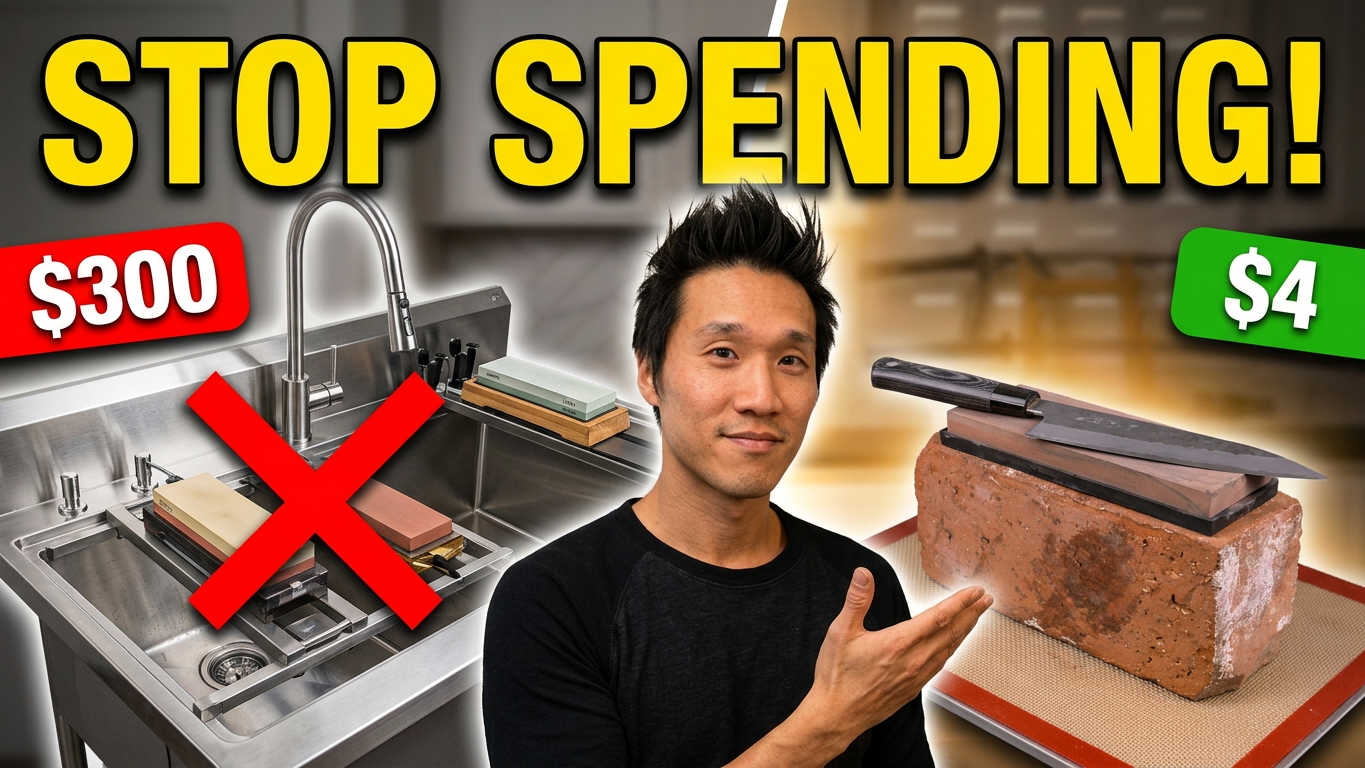
Debunking the 5 Greatest Knife Sharpening Myths: Truth vs. Gatekeeping
Exposing the top 5 knife sharpening myths perpetuated by online gatekeepers. The truth about expensive whetstones, blade thinning frequency, stone flattening, and culinary reality.