Cheap Whetstone Sets vs. One Good Stone: What to Buy First
Four grits for $20 sounds like more for less. But sharpness comes from technique, and one good 1000-grit stone will take you further than a pile of cheap ones.
By Burrfection EditorialApril 1, 2018Updated November 24, 20263 min read
This article contains affiliate links: I may earn a commission if you buy through them, at no extra cost to you. How this works

The short version
- Buy one good stone, not four cheap ones. A King 1000 at $20 to $25 will do better than a $20 four-grit set put together.
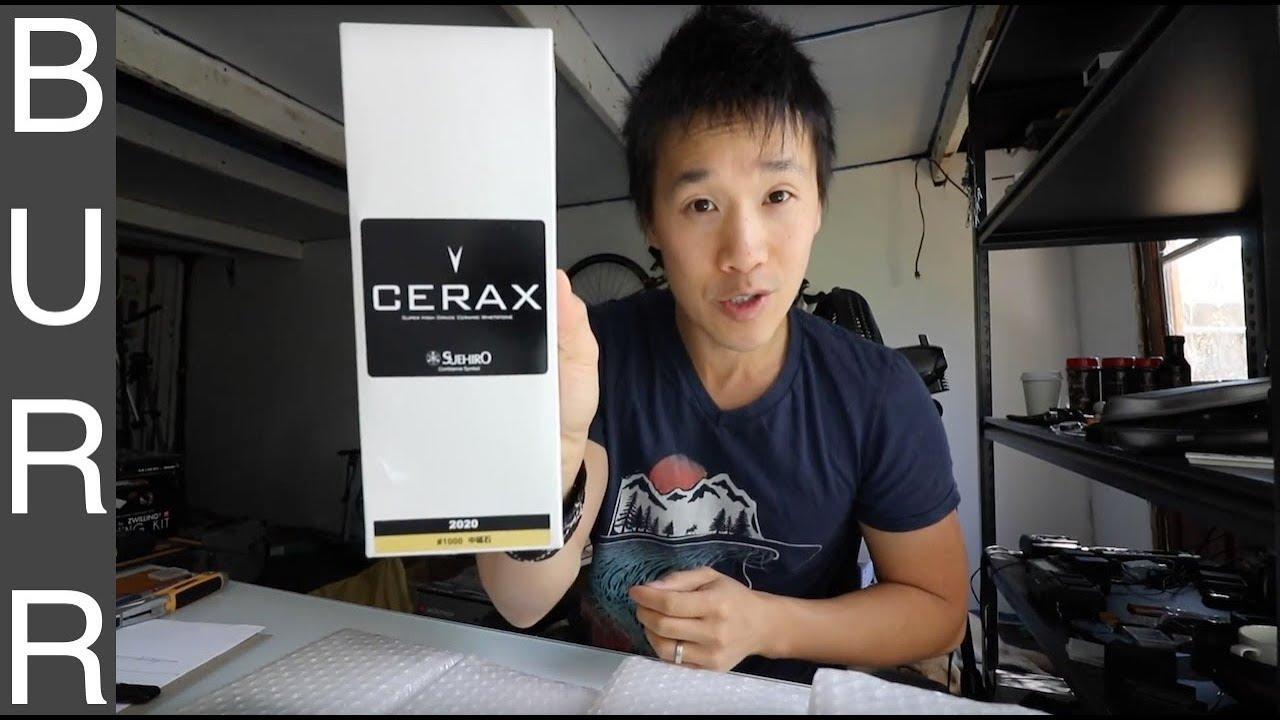
- Technique decides sharpness. A better stone just gets you there faster and more pleasantly. If you want to spend a bit more, the Suehiro Cerax 1000 is one of the best at about $50 to $55.
- Good stones hold their value. A $50 stone resells for $40 to $45; a cheap one doesn't.
$20 for four grits?
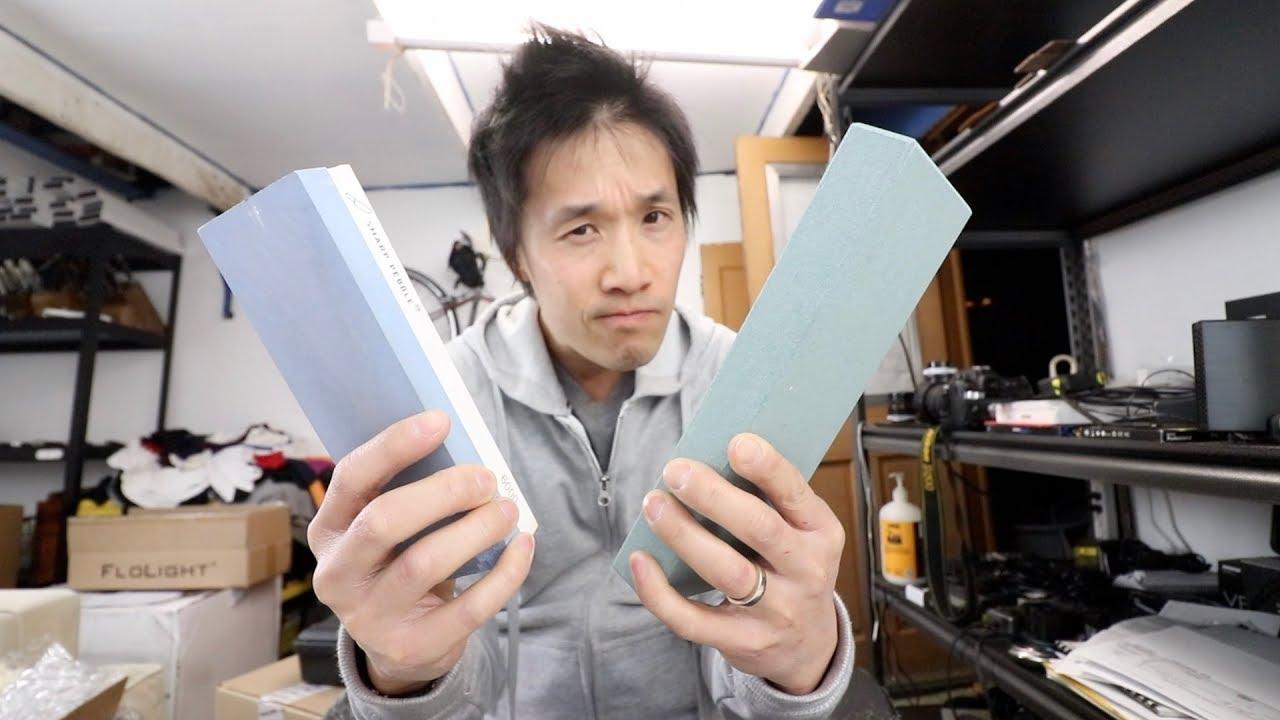
A viewer asked whether a pair of cheap combo stones, a 400/1000 and a 3000/8000, for $20 total would be much different from one good stone (3:32). Those are typically the $11 to $12 stones you find on eBay or Amazon. The sharpness of your knives has everything to do with your technique, not the stone (3:53). A pricier stone, a Shapton for example, will get you a sharper knife faster and make the process more pleasurable (4:15).
I've used a lot of those cheap stones. They're fine, but they have a lot more binder than abrasive, so sharpening takes a lot longer (4:36). And if your technique on the lower grits is poor, a 3000 or 8000 won't save you; the knife was never properly sharpened in the first place (5:18). So pick up one good 800 or 1000-grit stone and build your skills on it.
What I'd buy instead
In my opinion, a King 1000 for $20 to $25 will be better than all four of those grits put together. Spend a little more, and the Cerax 1000 at about $50 to $55 is a really good stone (5:40). If you're new, take your time; it takes time to hone your skills (6:01), but you can get a really good edge on just one stone, and you'll be much happier than with a pile of cheap ones (6:22). If you're still sharpening in three or four months and want a higher-grade stone, you'd probably end up buying one I'd have recommended from the start anyway (6:43). And good stones always have a used market: pay $50 and you might sell it for $40 or $45 (7:04).
Do you need to flatten, or leave the residue?
The same viewer asked about flattening and about leaving metal residue on the stone. I've used my Chosera 800 and Chosera 3000 for nearly two years, more than five dozen times, and never flattened them (0:41). I use the whole surface, edges included, and that keeps them fairly flat. Flattening matters more if you sharpen single-bevel knives (1:02). More in how often to flatten your whetstones.
Metal residue isn't slurry. It comes from the knife, it's called load-up, and it doesn't help sharpening; it slows it down (1:45). On stones that load up fast, I've seen sharpening speed drop by as much as 50 percent (2:05). Slurry, the mud on top of the stone, may help polish the edge, but I don't think it makes sharpening faster (2:27). Remove load-up with a nagura or, cheaper, a Sabitoru rust eraser (2:49); see how to clean whetstones.
My two first-stone picks, side by side:
| King 1000 | Suehiro Cerax 1000 | |
|---|---|---|
| Price when tested | $20–25 | $50–55 |
| Why buy it | Beats a cheap four-grit set on its own | One of the best stones at its price |
| Resale value | Some | Good |
| Where to buy | Amazon | Burrfection Store |
Bottom line
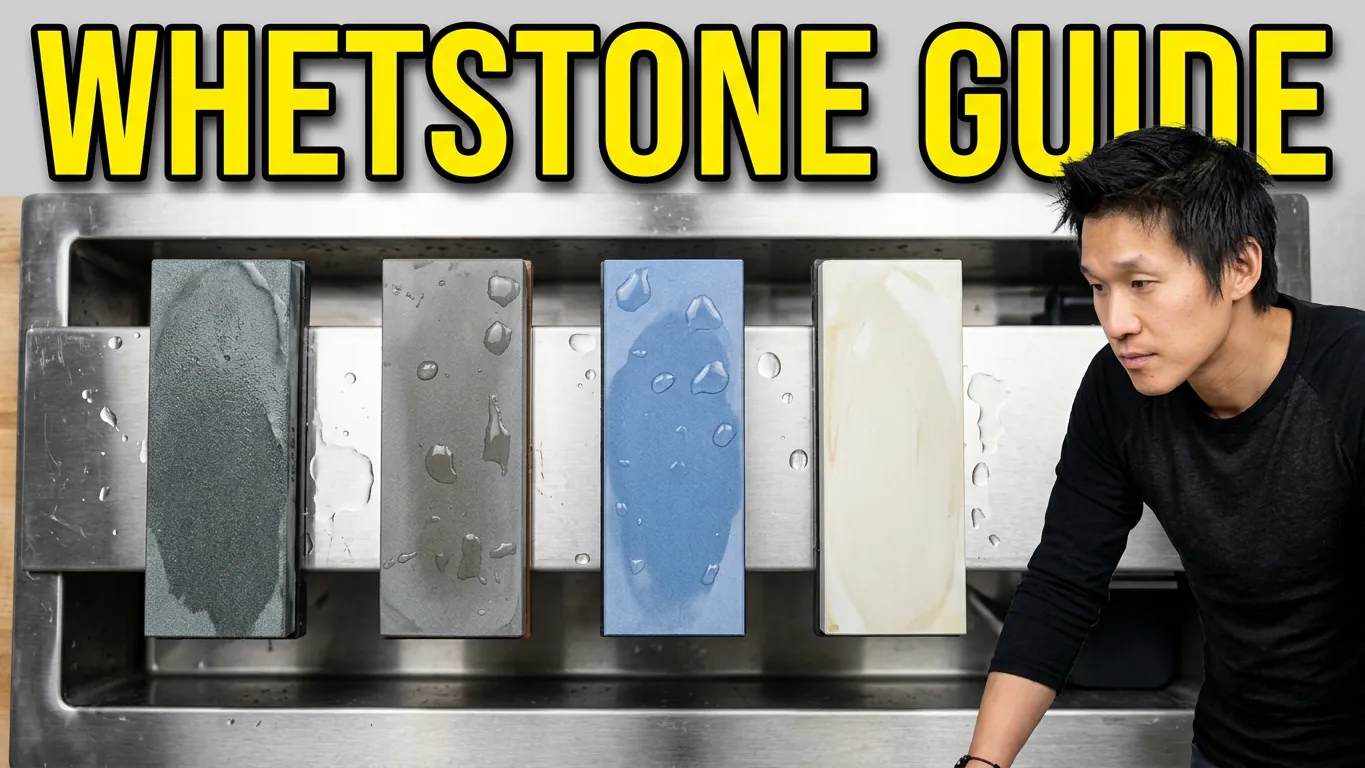
Don't buy a pile of cheap stones. Start with one good medium stone, a King 1000 on a budget or a Cerax 1000 if you can spend a bit more, learn your technique on it for a few months, then add a polishing stone. For the full comparison of medium stones, see my best 1000-grit whetstone picks, and for a cheap stone that does surprisingly well, the $20 Sharp Pebble vs. Shapton Glass test.
First access
Private drops, new knives and sales
Get them from Burrfection and our retail partners before anyone else. No spam; unsubscribe anytime.
Emails from Burrfection Inc. See privacy.