
Stropping vs. a Polishing Stone: Which Edge Lasts Longer? (50-Cut Test)
Three knives off the same 600-grit stone: one stropped, one polished on a Rika 5000, one both. Measured on a sharpness tester every 10 rope cuts, the results surprised me.
By Ryky TranSeptember 29, 2018Updated November 24, 20263 min read
This article contains affiliate links: I may earn a commission if you buy through them, at no extra cost to you. How this works

The short version
- A strop gives the quickest boost: right off the stone, the stropped knife was sharper than the one polished on the Suehiro Rika 5000.
- The polishing stone held its edge longer. Over 50 rope cuts, the Rika knife stayed sharper than the stropped one.
- Both together won: polishing on the Rika and then stropping gave the sharpest, longest-lasting edge.
Why this test
I strop my knives a lot, on days when I don't have time to sharpen (0:21). So if a strop is so good, why buy a polishing whetstone? That's the question I wanted to answer (0:42). I measured sharpness on a PT50A tester, which records how many grams it takes to cut a test filament: a score of 256 means 256 grams, and lower is sharper (1:03).
All three knives were sharpened on a Naniwa Professional 600. Then I stropped one on a buffalo leather strop, polished one on the Rika 5000, and gave the third both, the Rika and then the strop (1:26). Off the stone, the first two were within two points of each other; the third was about 10 percent duller, at 338 (1:49).
The results
After the first treatment, the stropped knife scored 230, the Rika knife 260 and the Rika-plus-strop knife 215, so the strop alone gave a slightly finer edge than the Rika alone (2:12). Then the knives went into the rope: 10 cuts, measure, and so on. After 10 cuts, the scores were 301, 286 and 233 (2:32). After 20, they were 340, 309 and 276; then I re-treated each knife and got 277, 261 and 240 (2:53). After 40 cuts: 355, 303 and 272 (3:15). After re-treating: 296, 252 and 226 (3:36). After 50 cuts: 394, 318 and 267 (4:00). And after a final re-treatment: 366, 299 and 259 (4:22).
| PT50A score (grams, lower is sharper) | Strop only | Rika 5000 only | Rika 5000 + strop |
|---|---|---|---|
| First treatment | 230 | 260 | 215 |
| After 10 cuts | 301 | 286 | 233 |
| After 20 cuts | 340 | 309 | 276 |
| After 40 cuts | 355 | 303 | 272 |
| After 50 cuts | 394 | 318 | 267 |
| Final re-treatment | 366 | 299 | 259 |
| Where to buy | Leather strops (Burrfection Store) | Suehiro Rika 5000 (Burrfection Store) | Rika 5000 + strop (Burrfection Store) |
What it means
Stropping is very useful. Even on plain leather or cardboard, my earlier tests showed around 30 percent better sharpness than the stone edge alone (4:43). But a strop isn't a replacement for a whetstone; it's a complement (5:05). The Rika knife started a little less sharp than the stropped one, yet over 50 cuts its edge held better (5:26). I didn't expect that at all; I thought the strop would stay ahead the whole way (5:47).
My theory, and it isn't scientific: leather has a little give, so a strop takes material off the edge's shoulder as well as the apex (6:28), while a polishing stone refines and keeps the edge defined (6:49). Keep in mind these numbers are in grams; we're splitting hairs, and unless you compare the sharpest knife with the dullest, you probably won't notice much in real life (7:09).
Bottom line
I strop my knives about once a week, a minute or two at a time, and they stay fairly sharp. If you want a longer-lasting edge and will put in the time, a good polishing stone is better than a strop (7:32). And if you're willing to invest in both, a polishing stone plus a leather strop gives you the sharpest, longest-lasting edge (7:52). For the strop side, see can stropping replace sharpening? and how to strop a knife; for polishing stones, my best polishing whetstone guide.
First access
Private drops, new knives and sales
Get them from Burrfection and our retail partners before anyone else. No spam; unsubscribe anytime.
Emails from Burrfection Inc. See privacy.
Keep reading
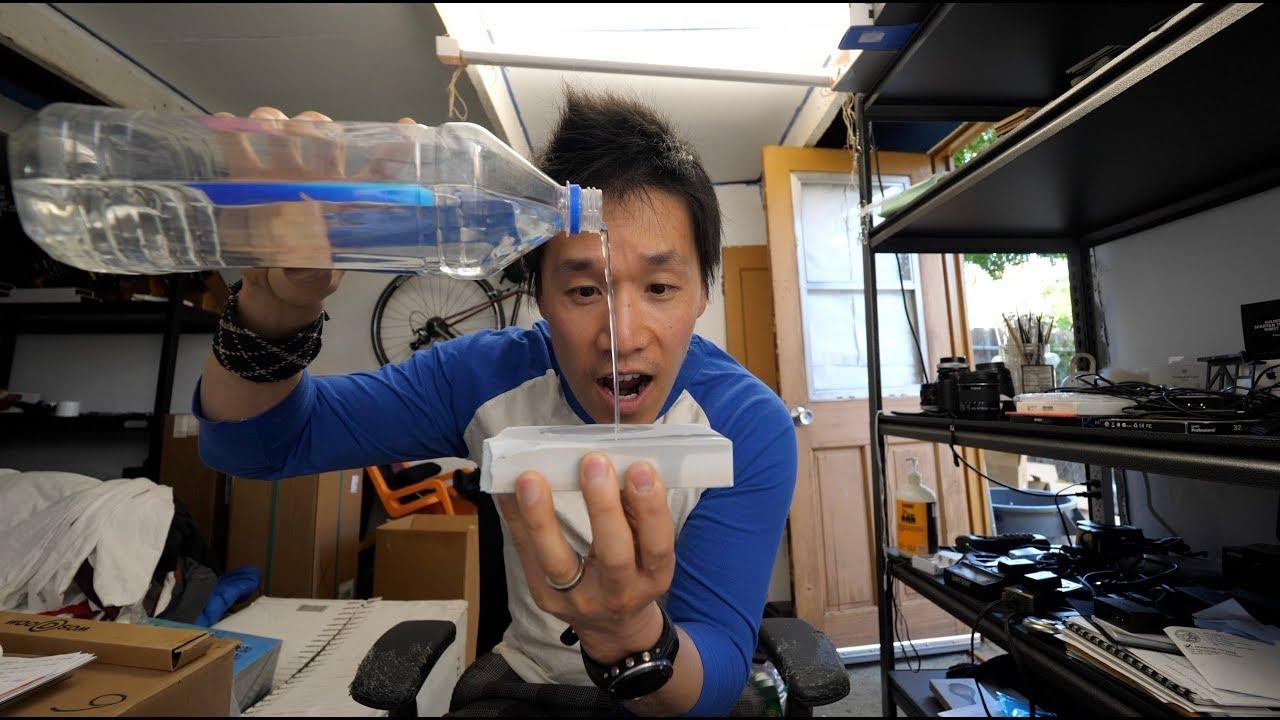
Soaking vs. Splash-and-Go Whetstones: How to Tell, Which to Buy, and What Water to Use
April 30, 2018 — 3 min
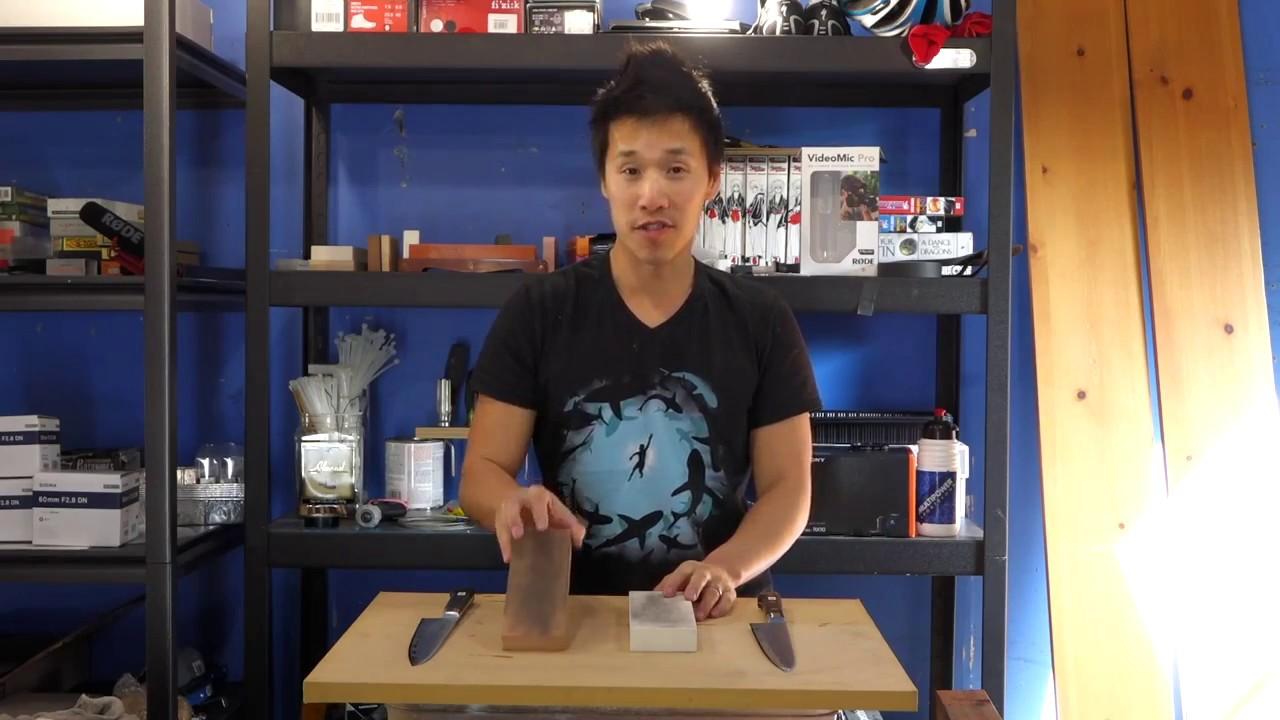
Naniwa Super Stone 800 vs. Suehiro Cerax 1000: Luxury Feel or Sports-Car Speed?
August 31, 2017 — 2 min
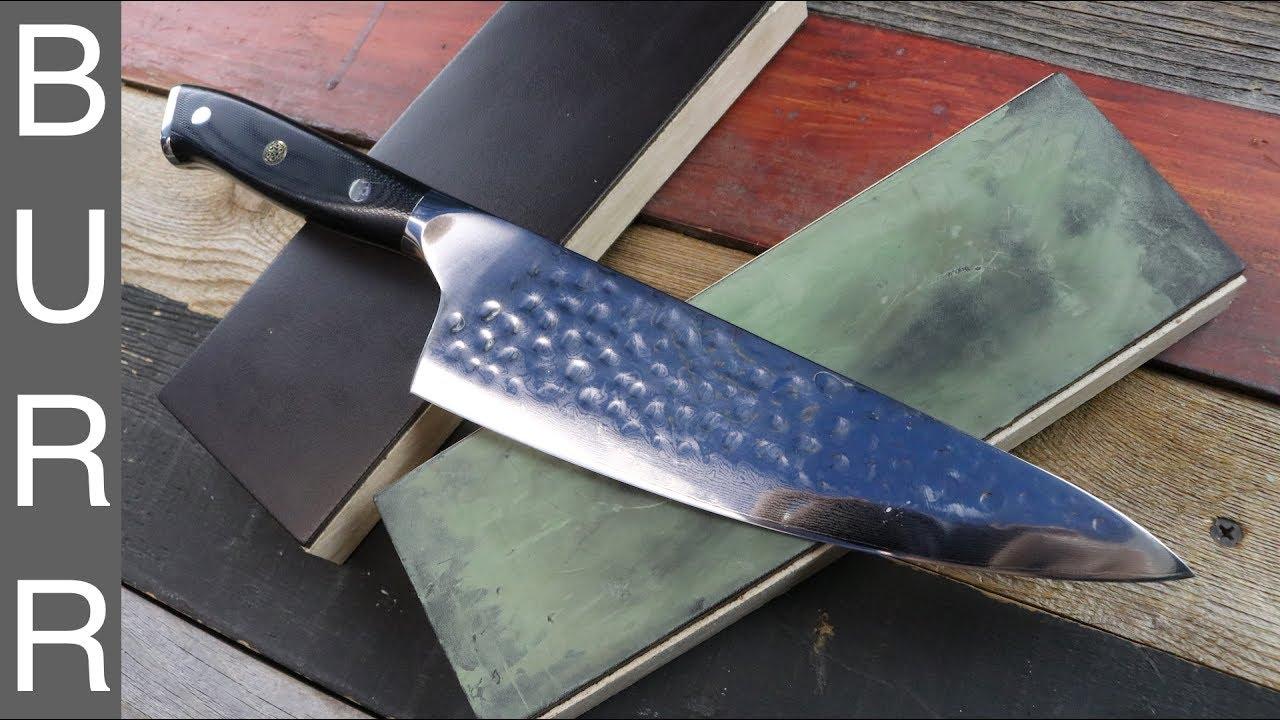
How to Keep Your Knives Sharp Every Day: One Minute on a Strop or Stone
July 15, 2017 — 4 min