VG-10 vs. VG-Max: Is There Any Real Difference?
In the kitchen, none. The more interesting story is why VG-Max exists at all, and how to avoid fake VG-10 knives.
By Ryky TranMay 25, 2019Updated November 24, 20264 min read
This article contains affiliate links: I may earn a commission if you buy through them, at no extra cost to you. How this works

The short version
- In practice, VG-10 and VG-Max are the same: they feel, sharpen and cut the same, so buy the knife that feels better in your hand.
- The steel maker told me the difference is very small, and that the details are a trade secret.
- The real problem is fake VG-10: buy knives that say "Made in Japan," and be wary of boxes with no country of origin at all.
The quick answer
From a performance and practical standpoint, there's no difference between VG-10 and VG-Max (0:00). My first two Shuns were VG-10 Shun Classics; later Shun samples all said VG-Max. I've used them side by side, and they felt the same, sharpened the same and weighed the same (0:41). If you're choosing between the two, just buy the one that feels better in your hand.
A disclaimer: I'm not a metallurgist or a knife maker (1:23). What follows is first-hand experience from working with these knives and meeting the people who make the steel.
How VG-10 became a household name
VG-10 is a staple of Japanese cutlery, used by everyone from Shun, Miyabi and Yaxell to artisan brands like Masakage and affordable makers like Tojiro (1:43). In the US, Shun is by far the biggest name in Japanese knives and the biggest user of VG-10 (2:03).
Over the five years before this video, manufacturers in China started making knives for entrepreneurs using Japanese steels, and Amazon, eBay and Alibaba filled with hundreds of brands, mostly from the same factories, all with "VG-10" on the blade (2:45). Buyers could no longer tell a Japanese-made VG-10 knife from a Chinese-made one, and many of those brands stopped printing "Made in China" on their boxes (3:28). With most VG-10 chef's knives selling for $110 to $150 or more, Shun was the brand hit hardest (3:49).
The most damaging part wasn't genuine VG-10 being used in China; it was knives made from other steels and sold as VG-10, which degraded the name (4:30). Some big brands responded by moving on: Miyabi toward its own steels (5:11), and Miyabi and Yaxell toward SG2 (5:53). High-end artisan makers weren't really affected: when you buy a $200-plus artisan knife, you're buying the maker, which happens to use VG-10 (6:14).
What the steel maker told me
Based on insider information, Shun and a few other large manufacturers asked the steel companies to stop selling VG-10 to non-Japanese manufacturers, especially in China (6:56). If you paid attention in early 2018, you'd have seen several best-selling Amazon brands switch from VG-10 to AUS-10, a decent steel that's close to VG-10 in performance (7:18).
Then I spent three or four hours touring the factory and sharing a meal with the chairman and the president of Takefu Special Steel, the company that makes VG-10 and VG-Max (7:59). I asked two questions (8:20). First, what's the difference between VG-10 and VG-Max? Very little, the president said, and exactly what it is was a trade secret, which I fully understand; he was protecting his clients (8:41). Second, is VG-10 still sold outside Japan? Yes (9:03). He wouldn't say to whom, but it means those buyers purchase enough volume to matter.
Why VG-Max exists (my read)
So even though the effort to stop exports was partly successful, the damage was done: the VG-10 name has been diluted, and nobody can test whether a cheap "VG-10" knife online is real (9:46). That's why VG-Max matters so much to a brand like Shun. With years of VG-10 stock and huge investments in equipment, renaming it was the easiest way to keep using an excellent steel while setting their knives apart from every other "VG-10" knife on the market (10:06). Whether Shun would put it that way doesn't really matter; it's their brand (10:49).
How to buy a real VG-10 knife
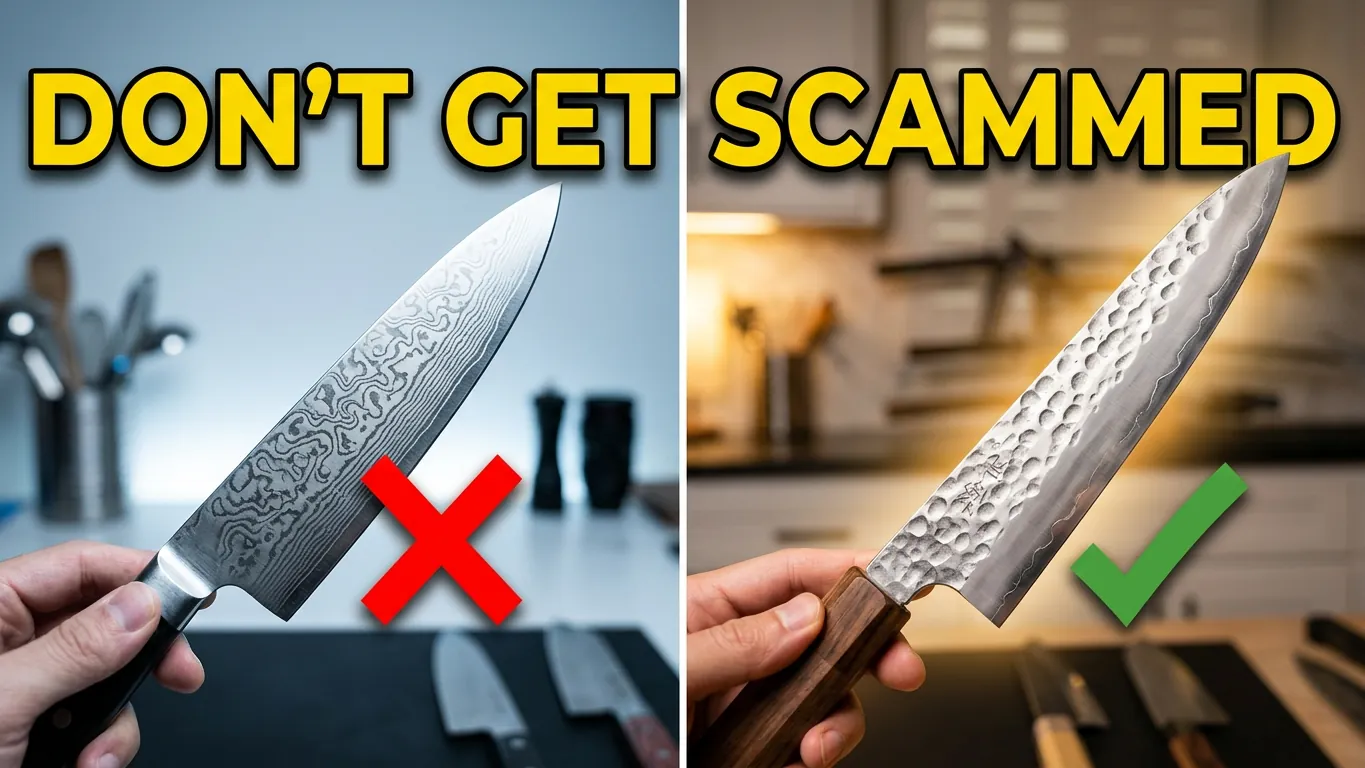
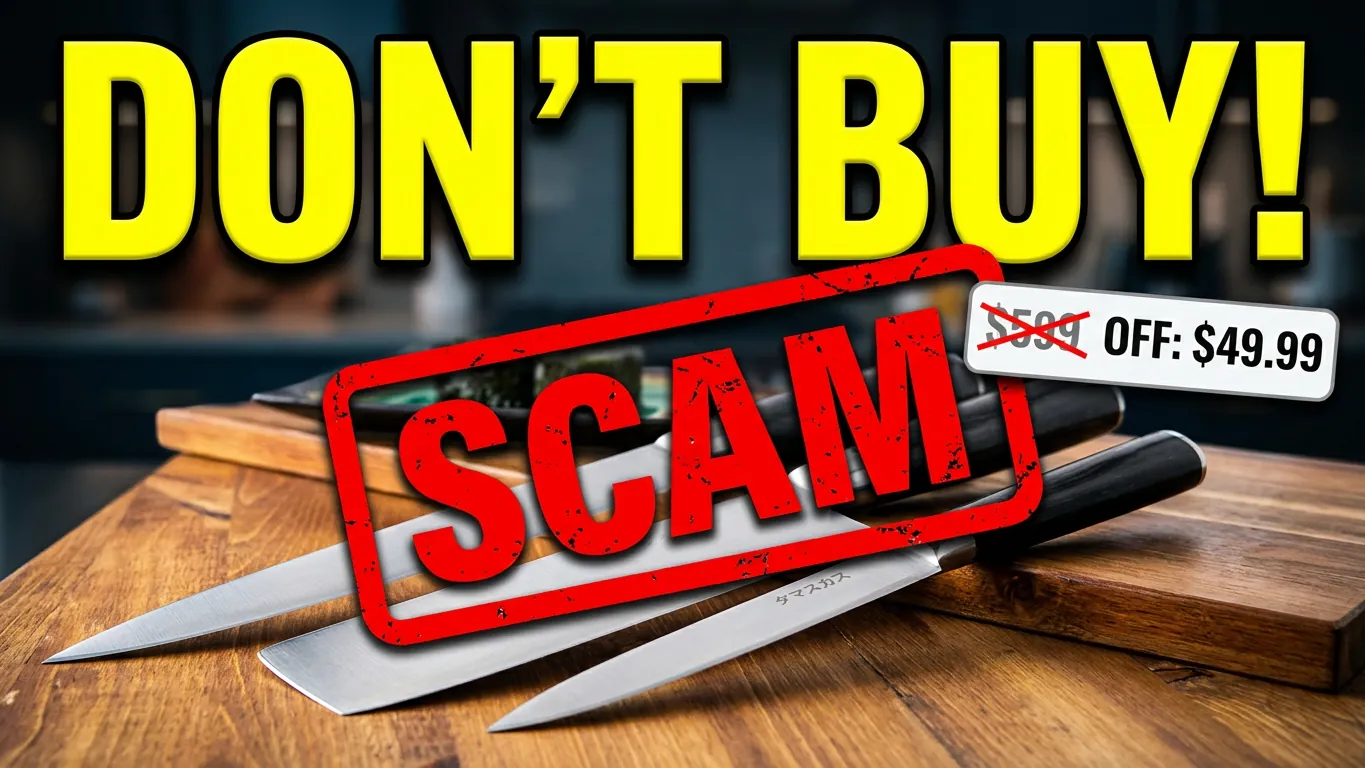
If a knife says "Made in Japan" and "VG-10," you're getting VG-10 (11:11). If the ad says VG-10 but the box doesn't say where it was made, be careful. Plenty of brands borrow Japanese words, "samurai" imagery and Japanese shapes without saying where the knife is made (11:32). "Made in China" may not be the most desirable label, but at least it's honest; a box that says nothing is deceptive. And a "VG-10 Damascus" knife at half off for $130 that supposedly should cost $350 to $450 is a red flag (12:56). My breakdown of fake Japanese knife ads and my list of real Japanese knives on Amazon go deeper.
| VG-10 | VG-Max | |
|---|---|---|
| Made by | Takefu Special Steel | Takefu Special Steel |
| In the kitchen | Same feel, edge and sharpening | Same feel, edge and sharpening |
| Difference | Very small (trade secret) | Very small (trade secret) |
| Who uses it | Many makers, Japanese and not | Shun |
| Where to buy | Masakage Kumo VG-10 (Burrfection Store) | Shun Classic (Amazon) |
Bottom line
Don't choose between VG-10 and VG-Max on steel: in the kitchen, they're the same. Choose the knife, its fit and its maker. Above all, make sure the "VG-10" you're paying for is real by buying from makers that say "Made in Japan." For VG-10 knives I trust, start with the Masakage Kumo at the Burrfection Store or the gyutos at Gyuto.com.
First access
Private drops, new knives and sales
Get them from Burrfection and our retail partners before anyone else. No spam; unsubscribe anytime.
Emails from Burrfection Inc. See privacy.