How to Not Buy a Knife as a Christmas Gift
A great knife can be the best gift a cook ever gets, or one more blade in the drawer. Four rules to make sure yours is the first kind.
By Ryky TranNovember 27, 20264 min read
This article contains affiliate links: I may earn a commission if you buy through them, at no extra cost to you. How this works
The short version
- Don't buy a knife they don't need. Find out what's already in their drawer and how they cook before you pick anything.
- Don't buy a knife you've never heard of. A gift should be something you've researched, not something an ad picked for you.
- Don't wait until the last week. If the knife you want is in stock and at a good price now, buy it; the good ones sell out in December.
A kitchen knife is one of my favorite gifts to give and to get. A good one gets used every single day, for years, and every time they pick it up they think of you. But it's also one of the easiest gifts to get wrong. Buy the wrong knife and it lives in a drawer, or worse, it gets used once, chips, and becomes a reminder of the money you spent.
So instead of a gift list, here's how I'd not buy a knife this Christmas. These are the same rules I give people for Black Friday and Cyber Monday, adjusted for the fact that you're buying for someone else, which makes every one of them more important.
Rule 1: Don't buy a knife they don't need
When you buy for yourself, you at least know what's in your own drawer. When you buy for someone else, you're guessing, so stop guessing. Ask, or find a reason to look. Does the person already have a chef's knife they love? Then another one is a duplicate, no matter how nice it is.
The better gift fills a gap. If they chop a lot of vegetables, a nakiri might be the knife they'd never buy themselves; Gyuto vs. Nakiri explains the difference. If they only have a big chef's knife, a petty knife for small jobs gets used constantly.
And sometimes the best knife gift isn't a knife at all. If they already own good knives that have gone dull, a sharpening kit makes every knife they own feel new again. A good cutting board protects the edges they already have. Those are the gifts people tell me they wish someone had given them years earlier.
Rule 2: Avoid gift-giver's remorse
Buyer's remorse is worse when it's a gift, because the person receiving it usually won't tell you it's wrong. They'll smile, say thank you, and never use it. Most of the mistakes come from buying a knife for the cook you imagine instead of the cook they are.
A few questions to ask before you check out. Are they right- or left-handed? That matters a lot for single-bevel knives like a yanagiba, and it's worth confirming for anything you're unsure about. Will they actually dry a knife after using it? A beautiful carbon steel knife is the wrong gift for someone who leaves knives wet in the sink; stainless is the kinder choice. Do they have room for a 240mm knife, or would a 210 suit their board and kitchen better? Do they put knives in the dishwasher? Then send my kitchen knife safety guide along with the knife.
Also know what you're getting with handmade knives. A hand-forged blade can have small cosmetic quirks that are completely normal, and that can be a surprise to someone opening it on Christmas morning. Before You Buy a Hand-Forged Japanese Knife covers what to expect, and it's worth checking the return policy before you wrap anything.
Rule 3: Don't buy a knife you've never heard of
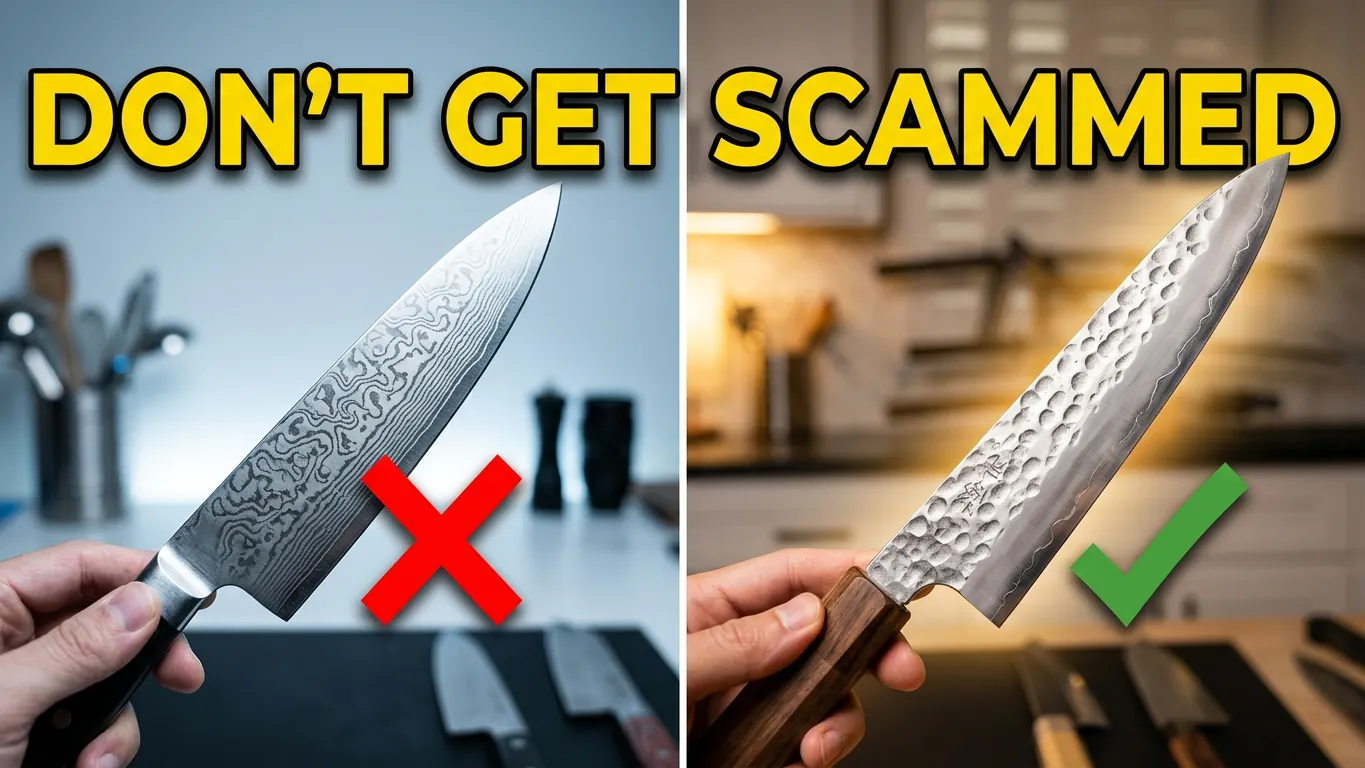
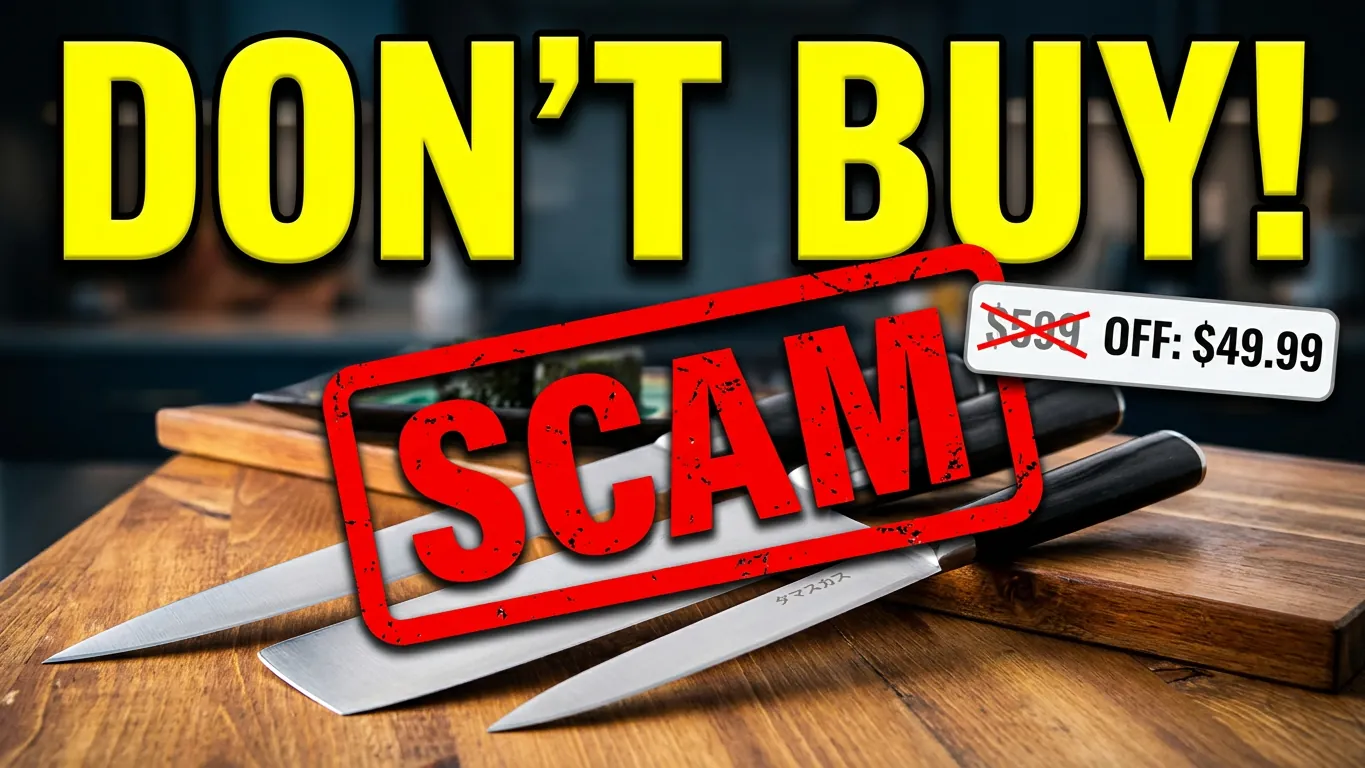
The holidays are prime time for knives from brands that appeared six months ago: dramatic Damascus patterns, a Japanese-sounding name, a gift box, and a "was $399, now $59" price tag. They look like a great gift in the ad. They rarely are once someone actually cooks with them.
You should know what you're giving: who made it, what steel it is, and what the shape is meant to do. If those terms are new to you, my Japanese knife glossary and How to Choose a Kitchen Knife are good places to start. The 70% Off Japanese Knife Scam and Are You Buying Fake Japanese Knives? explain how those too-good-to-be-true ads work. If you're shopping on Amazon, stick to my approved list of real Japanese knives on Amazon.
The simplest protection is to buy from people who know knives. The Burrfection Store and our retail partner Gyuto.com carry makers I can stand behind.
Rule 4: Don't wait until the last minute
Once you've done your homework and you know the knife you want, buy it. Don't wait for a better price or a closer date. The knives people want most are exactly the ones that sell out first in December, and handmade knives from small workshops don't get restocked next week. Holiday shipping only adds to the risk: a knife that arrives on December 27 isn't a Christmas gift.
If the knife you've picked is on sale now, even better. In my experience, waiting rarely gets you a lower price than the one already in front of you; it mostly gets you a sold-out notice.
What a good knife gift looks like
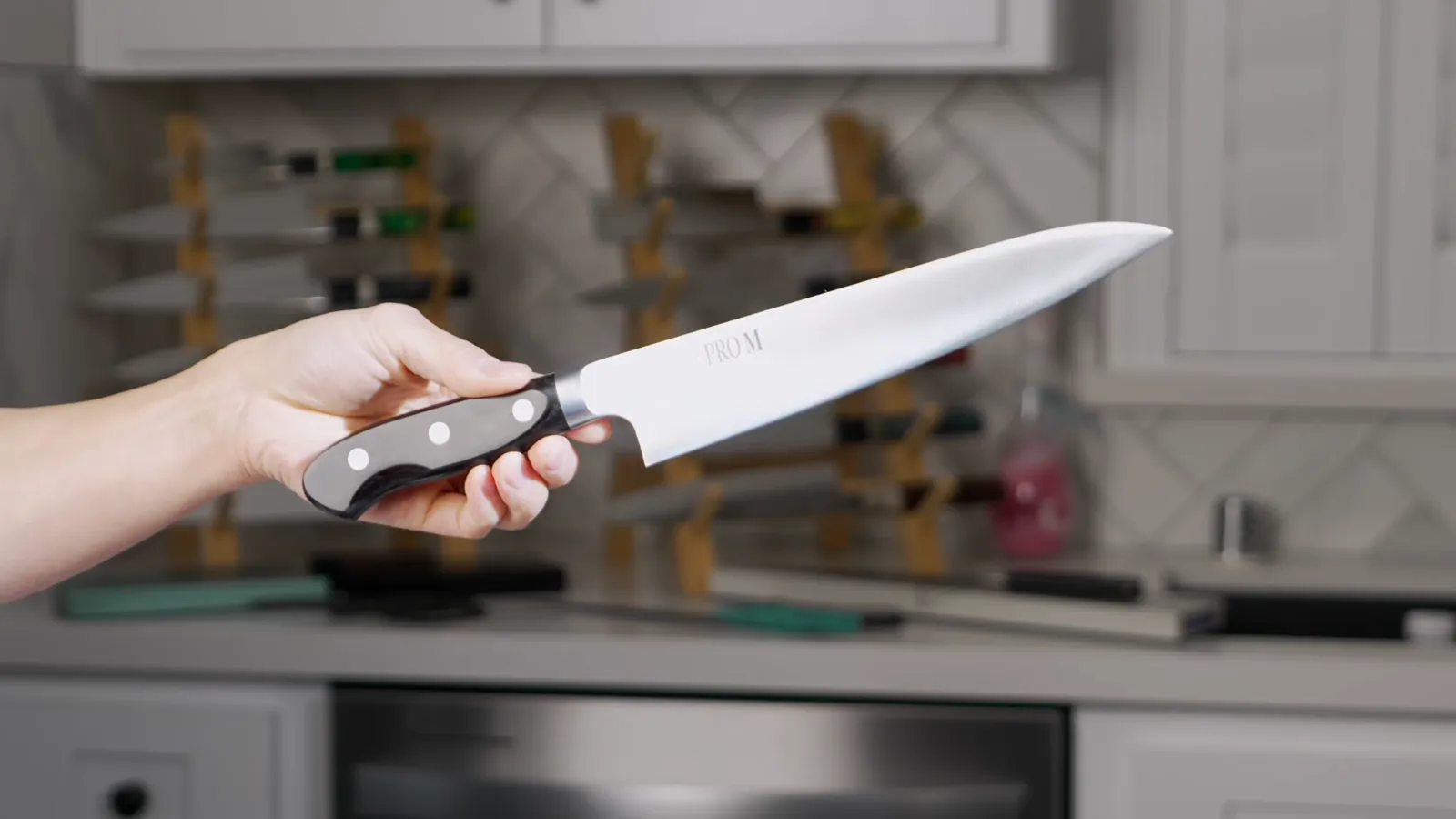
Put the four rules together and a great knife gift is easy to recognize. It fills a real gap in their kitchen. It suits how they actually cook and care for their knives. It comes from a maker you've researched. And it arrives in time.
If you've landed on a chef's knife, my list of the best chef knives I've tested is a good shortlist, and you can browse gyutos on the Burrfection Store and gyutos on Gyuto.com.
Bottom line
The best knife gift is one they'll reach for every day, not one they'll politely keep in the box. Find out what they need, skip the brands you've never heard of, and buy early. Do that, and you'll be the person they think of every time they cook.
First access
Private drops, new knives and sales
Get them from Burrfection and our retail partners before anyone else. No spam; unsubscribe anytime.
Emails from Burrfection Inc. See privacy.