
How to Choose a Kitchen Knife: Why Out-of-Box Sharpness Matters Least
Comfort first, sharpness last. Here are the factors I rank when buying a knife, from the ones you can never change to the ones you can fix with a stone.
By Ryky TranOctober 24, 2020Updated November 25, 20264 min read
This article contains affiliate links: I may earn a commission if you buy through them, at no extra cost to you. How this works

The short version
- Rank what you can't change first: ergonomics, then fit and finish, the maker, heat treatment and grind. Sharpness is last because you can always sharpen.
- Heat treatment matters more than the number on the box: my Japanese-made 60–61 HRC knives usually hold an edge better than 62–63 HRC knives from Amazon.
- The perfect knife for you is one that's comfortable in your hand with a good heat treatment.
Sharpness is the most overrated factor
I'll say it right away: out-of-the-box sharpness is the most overrated thing about buying a knife (0:00). The two questions I get most are "what's the best knife?" and "what's the sharpest knife?" Sharpness matters in specific cases, but my order is ergonomics, fit and finish, the maker, heat treatment, grind and, last, sharpness (0:22). That order runs from what you can't change to what you can: you're stuck with a knife's ergonomics, but you can sharpen it as sharp as you like (0:44).
1. Ergonomics
Ergonomics is subjective (1:06). My hands are bony and fairly small. The Kramer is a great example: people love its edge and profile, but those of us with smaller hands find its rounded handle a bit too bulbous (1:26). I'm much more comfortable with octagonal and D-shaped handles, which tend to be narrower (1:49). If you're a line cook holding a knife 10 to 14 hours a day, comfort is everything, and you can't grind or sand your way out of a bad handle. For me, a knife that's uncomfortable out of the box is a deal breaker (2:09).
2. Fit and finish
You can do a lot about finish (2:34). Loose rivets or a badly seated blade take real work, but a rough choil, spine or handle can be sanded with 400 to 600 grit and finished with 1000 to 2000 grit sandpaper. It matters a lot to me because I touch the spine and choil constantly when I sharpen (3:00). I'm surprised how many people rank sharpness above fit and finish.
3. The maker
Big Japanese factories, like Yaxell, Mcusta Zanmai and Miyabi, sell 8-inch chef's knives from about $75 to $500 (3:23). Artisans like Moritaka, Tsujimoto, Yu Kurosaki, Anryu and Tanaka offer two or three steels at most, all at similar prices and with similar fit and finish (3:48). So with an artisan, you'll have a similar experience whichever steel you pick, while quality varies much more across a big factory's range (4:32). (I explain the difference in how Japanese knives are made.)
4. Heat treatment
Heat treatment matters more than grind but is harder to judge, because you can't know how good it is until you use the knife (4:58). In my experience, knives at 61 to 62 HRC go a month or two before needing sharpening, while knives at 55 to 57 need a touch-up after a week or two (5:18). And not all heat treatments are equal: I've bought many knives on Amazon advertised at 62 to 63 HRC, and nine times out of ten my Japanese-made knives at 60 to 61 held their edge better (5:38). My list of real Japanese knives on Amazon helps you find the genuine ones.
5. The grind
The grind is the knife's overall geometry (6:02). Hold the knife by the handle and look down the blade from the heel, and you can see whether it's asymmetrical, scandi, hollow or flat ground. In my experience, the grind predicts a knife's performance better than its out-of-box sharpness (6:26). But it can be changed: you can thin it or reshape it, so it isn't a deal breaker (6:48). (See should you thin your knives?)
6. Sharpness, last
Whether your knife costs $30, $300 or $3,000, you'll have to sharpen it someday (7:10). I hear from people who think a $200 Shun should stay sharp forever, and from Victorinox owners who say they haven't sharpened in ten years. The exception is single-bevel knives like a yanagiba, which take more time to sharpen when they arrive dull, but people buying those usually know how to sharpen (7:59).
And please don't judge a new knife by cutting paper (8:46). When people tell me a knife I recommended won't cut paper like mine, I ask how it does on food, and often they haven't cooked with it yet. My paper tests show how clean an edge is after sharpening; they test edge sharpness, not cutting performance on real ingredients (9:09).
| Factor | Can you change it? | How much it matters |
|---|---|---|
| Ergonomics | No | Deal breaker if uncomfortable |
| Fit and finish | Partly (sanding) | High |
| Maker | No | Sets the consistency |
| Heat treatment | No | Decides edge retention |
| Grind | Yes, with work | Better predictor than sharpness |
| Sharpness | Yes, any time | Least |
Bottom line
If I boil it down, a knife that's comfortable in your hand and has a good heat treatment is the formula for the perfect knife for you (10:17). Everything else you can fix with sandpaper or a stone. To narrow it down, start with my chef's knife tier list or Japanese knives under $100, then browse the gyutos at the Burrfection Store and Gyuto.com.
First access
Private drops, new knives and sales
Get them from Burrfection and our retail partners before anyone else. No spam; unsubscribe anytime.
Emails from Burrfection Inc. See privacy.
Keep reading
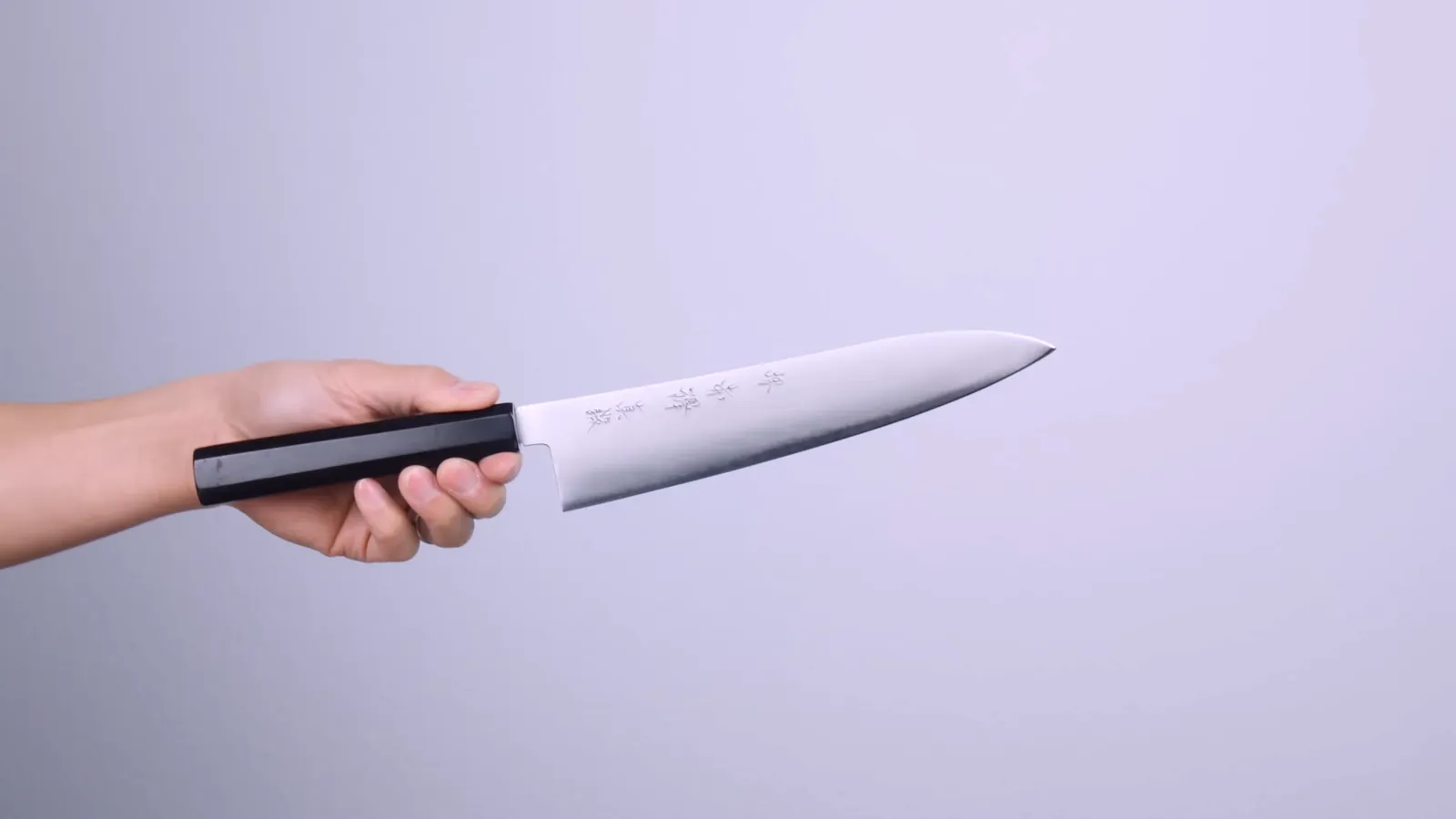
Real Japanese Knives on Amazon: My Approved List (and How to Spot the Fakes)
November 24, 2026 — 5 min
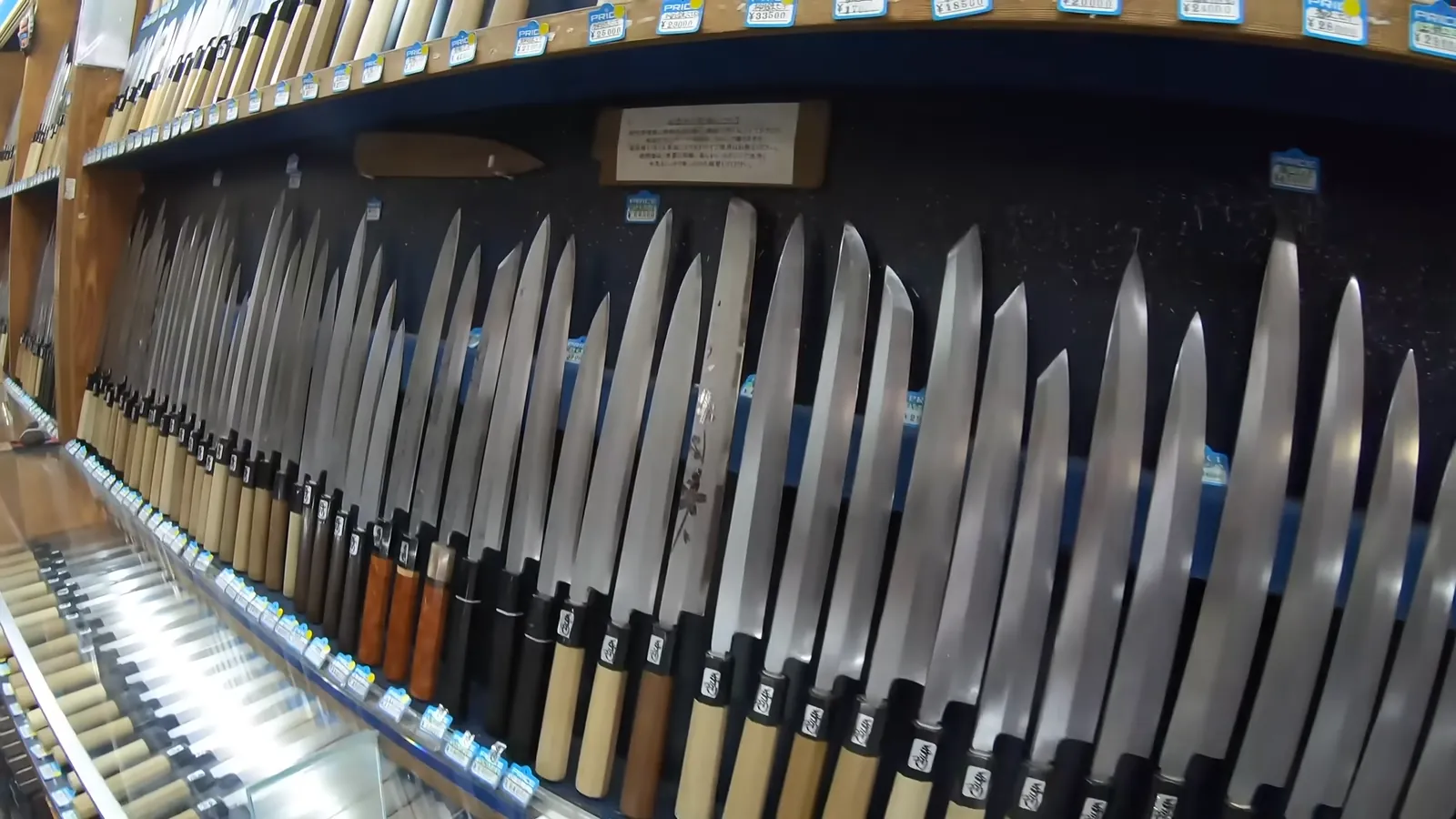
Japanese Knife Terms Explained: A Glossary From Gyuto to Kurouchi
November 21, 2026 — 6 min
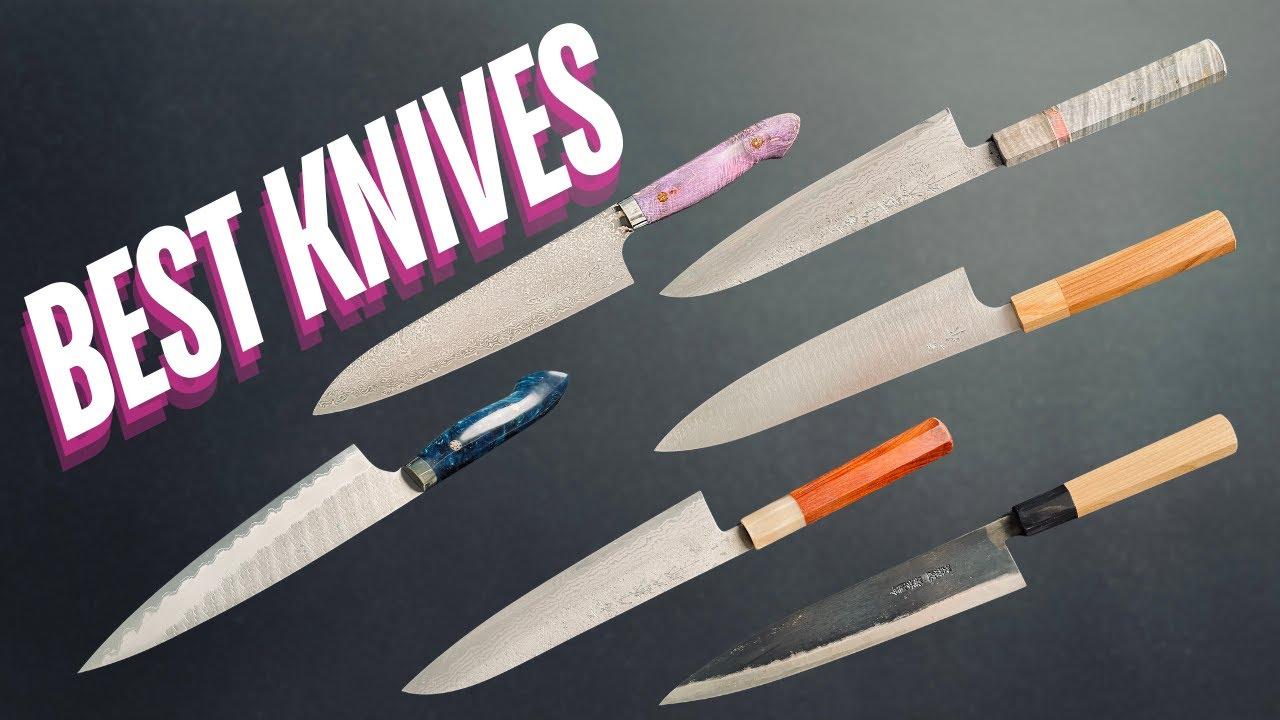
The Artisan Japanese Knives in My Kitchen Drawer: Moritaka, Akazawa, Anryu, Yu Kurosaki and More
March 13, 2021 — 5 min